 Eric Trump’s American Bitcoin Just Borrowed $150 Million Against Its Bitcoin — And Didn’t Sell a Single Coin
 Wall Street Just Went Onchain: OKX and the NYSE’s Parent Launch 24/7 Tokenized Stocks — Even Though 90% of Companies Said No
 Crypto Fear & Greed Stuck at 11: Ninth Straight Day of Extreme Fear Even as Bitcoin Reclaims $61,000 — The Market Still Doesn’t Believe the Bounce
 Crypto Market Today, Nov 23: Bitcoin Holds Above $61,000 as 76 of the Top 100 Coins Turn Green for a Second Day
 One NFT Just Sold for $381,783 — The 5 Biggest Single NFT Sales of the Week and What They Say About the High End
 NEAR Price Today, Nov 23: NEAR Rockets to $3.17 as the Issuance-Cut Rally Keeps Running
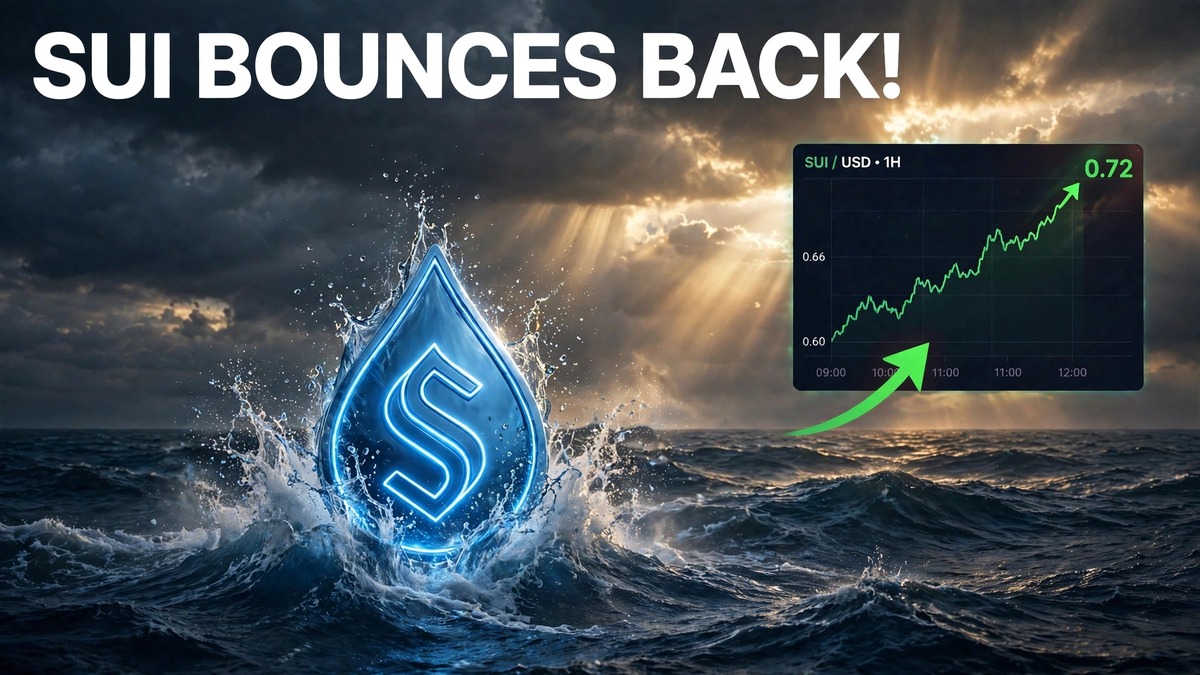 SUI Price Today, Nov 23: Sui Holds $0.72 After the Foundation Buybacks — But the Rebound Is Still Fragile
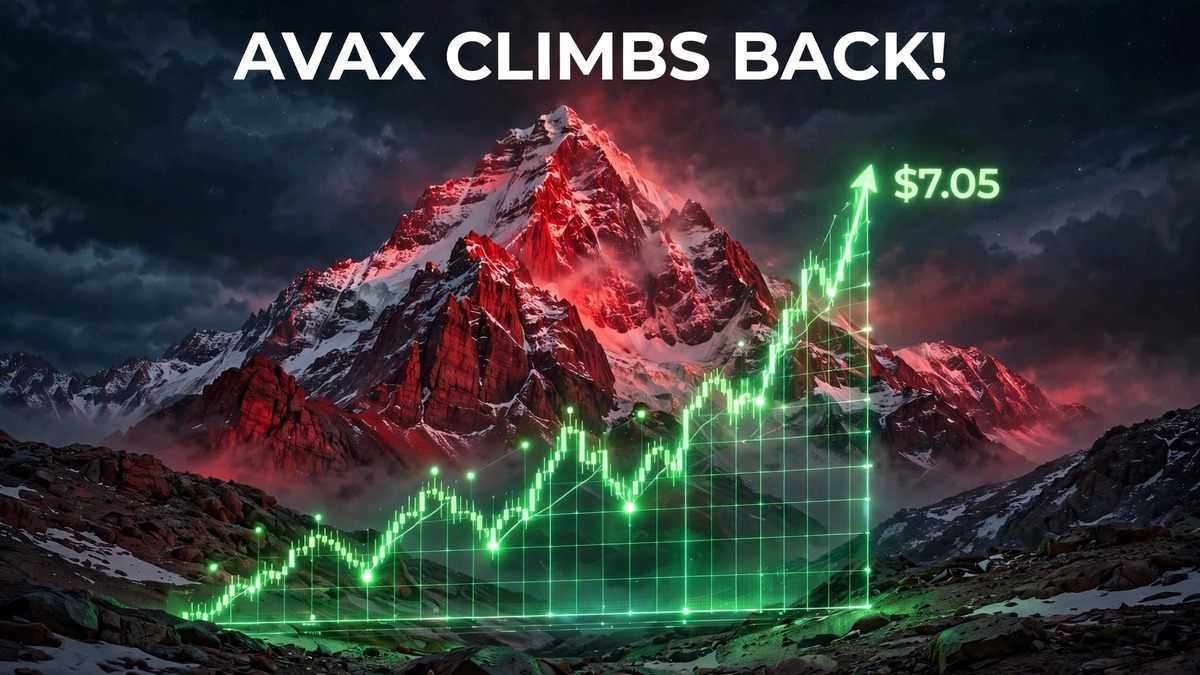 AVAX Price Today, Nov 23: Avalanche Holds $7.05 as the Market Rebound Lifts It Off the Lows
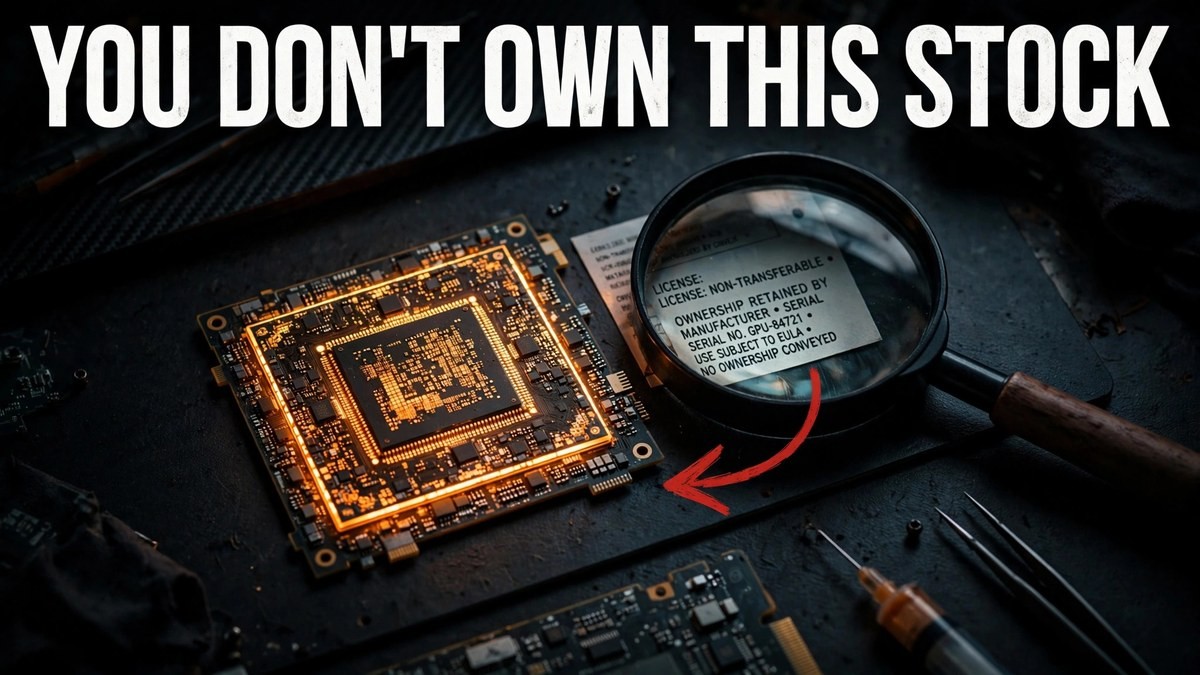
You bought tokenized Nvidia. You think you own a piece of the world’s most valuable chip company. According to one analyst, in most cases you own nothing of the sort.
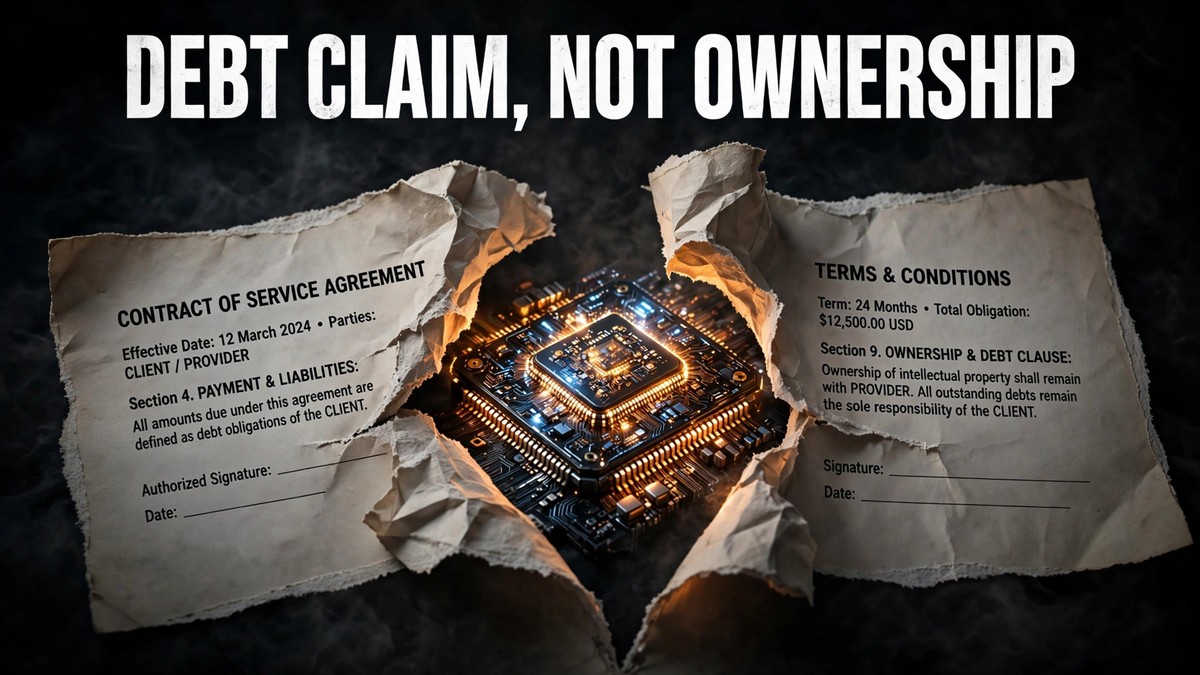
Credora analyst Bernardo Vicente told a November 19 discussion hosted by The Defiant that most tokenized Nvidia products are not shares at all. They are debt claims against the company that issued the token — often parked in offshore entities in the British Virgin Islands, Jersey and the Cayman Islands. His verdict was blunt: “So you don’t actually own anything.”
💵 Two issuers pass the test
Vicente singled out only two issuers — Securitize and Superstate — whose products he said tie tokens to actual share entitlements, with stronger legal structures behind them. Everything else, in his analysis, makes you a creditor of the issuer. The token tracks Nvidia’s price, but its value rests on the issuer’s promise to pay.
That distinction matters most when things go wrong. If the issuer becomes insolvent, freezes redemptions or runs into legal trouble, your position depends on the issuer’s balance sheet — not on Nvidia. You do not get to call Nvidia. You get in line with the issuer’s other creditors.
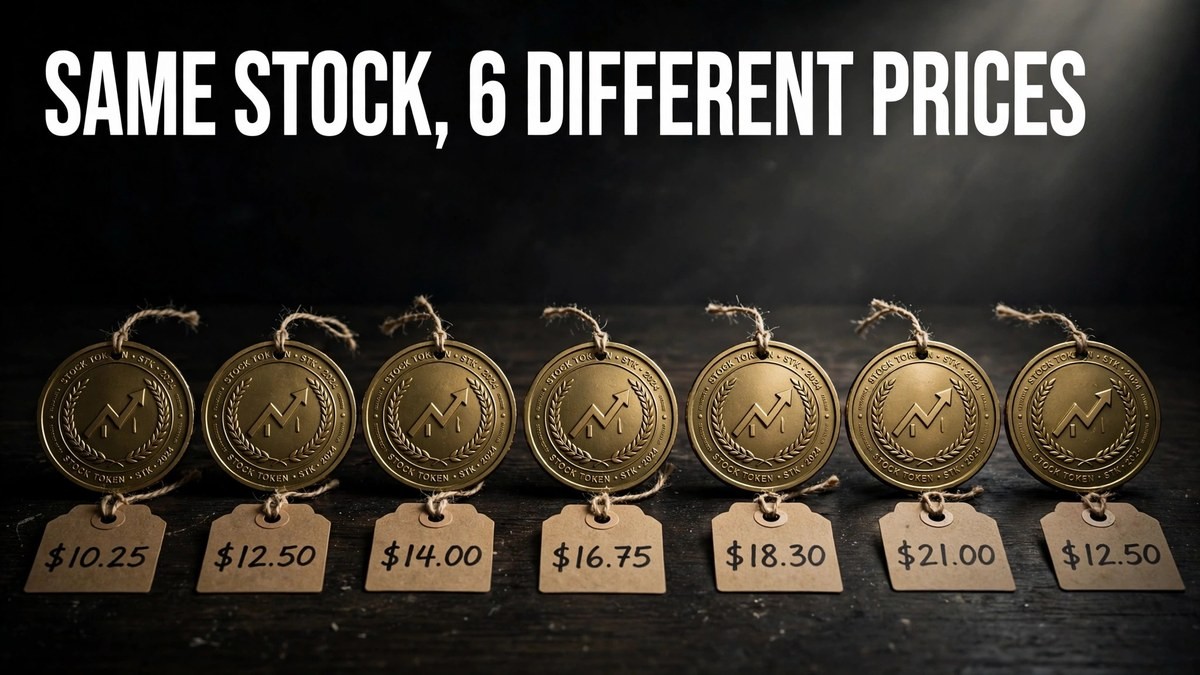
📉 The same stock, six different prices
Credora worked with oracle provider RedStone to track seven tokenized Nvidia variants, including NVDAon, NVDAx and NVDAB. On November 8, with Nasdaq closed, the tracked versions were priced as much as 6.3% apart — from about $177.68 to $188.88 at the same moment. The same stock, six different prices, depending on which wrapper you bought.
Tokenized Nvidia also fell 9% across after-hours and pre-market moves during November. And the market keeps growing anyway: tokenized stocks reached about $3.3 billion by mid-October, up 15% in just 30 days. More people are buying these products every week, and most of them have never read the structure underneath.
⚠️ The collateral problem
This gets dangerous when these tokens are used as collateral. Lending pools already accept tokenized Nvidia — one pool lends USDC against NVDAon at up to 66.7% loan-to-value. If the token is a debt claim on a shaky issuer rather than a share, the lender is holding a promise, not an asset. A 50% weekend drop in one tokenized Nvidia product, reported by Crypto Briefing, shows how fast that promise can wobble.
Credora’s work has limits worth flagging: it did not test custody arrangements, redemption mechanics, or how legal claims would hold up during market stress. Those are exactly the questions that matter most — who holds the underlying shares, how fast holders can redeem, and what happens to debt-claim tokens if an issuer fails during a sell-off.
🎯 What to check before you buy
Read the structure, not the ticker. Before buying any tokenized stock, ask one question: does this token give me a claim on the actual share, or a claim on the issuer? If the answer is the issuer, you are not buying Nvidia. You are lending money to a company you have never heard of, in a jurisdiction you have never visited, and trusting it to pay you back. That might still be a fine trade. But it is not owning the stock.
#CryptoBulletin #DeFi #RWA #TokenizedStocks #Nvidia #NVDA #CryptoNews #CryptoMarket #Blockchain #Web3 #CryptoNewsToday #RealWorldAssets #Altcoins #Bitcoin #Ethereum