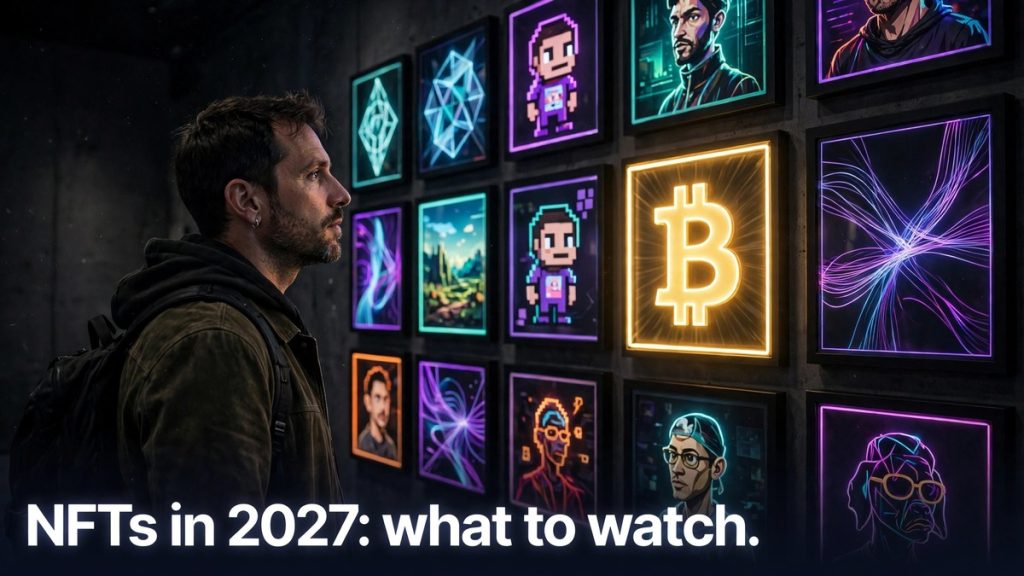
 NFTs in 2027: What Collectors Are Actually Watching
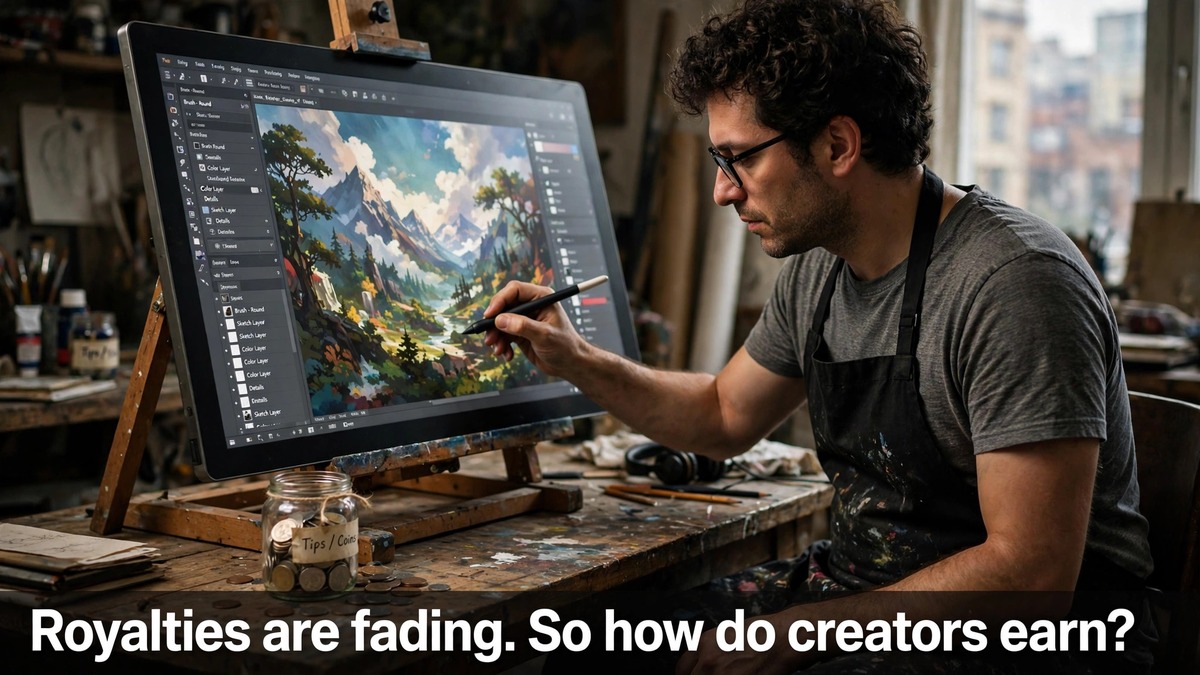 NFT Royalties Are Fading: What Creators Actually Earn Now
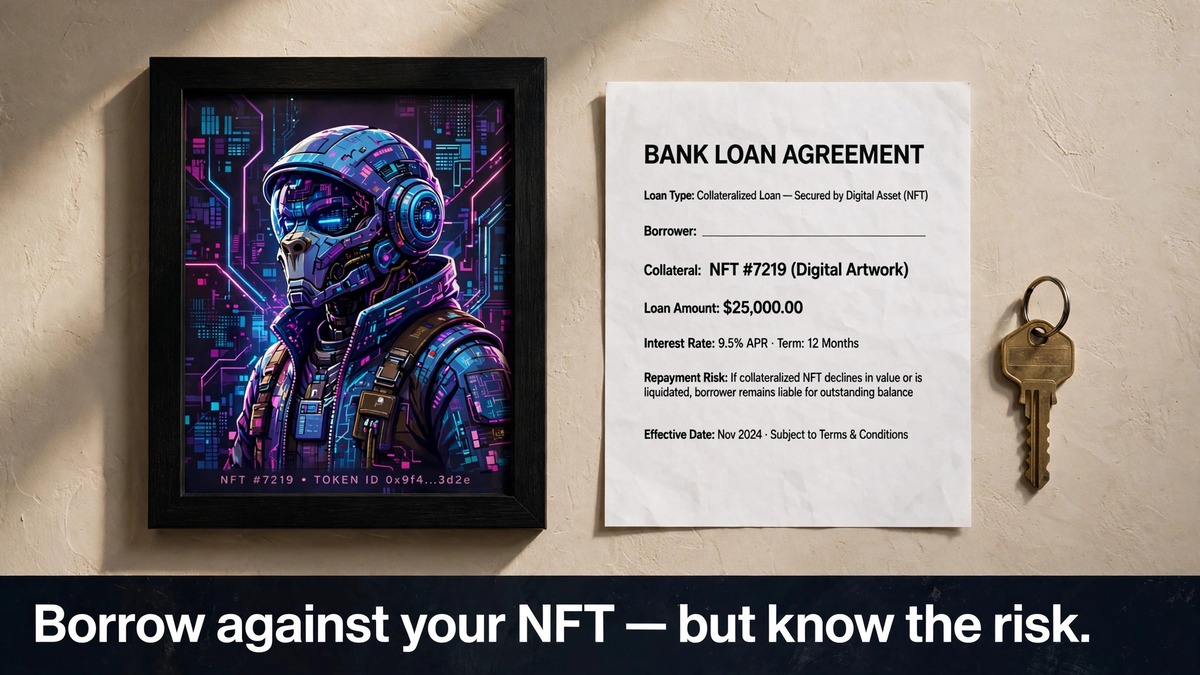 Borrowing Against Your NFT: How NFT Lending Works — and Where It Breaks
 NFT Games After Somnium: What “Leaving Crypto” Actually Means for Players
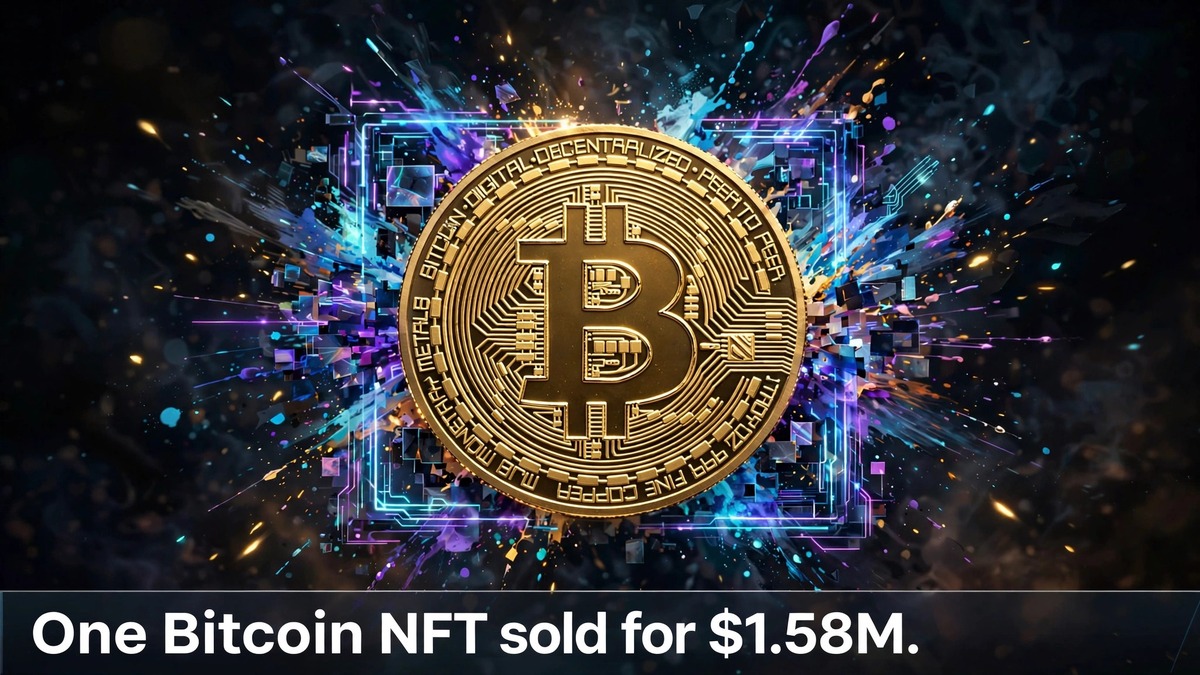 One Bitcoin NFT Sold for $1.58M: The BRC-20 Sale That Lifted the Whole Week
 Bitcoin Miners Earned Just 912 BTC in Fees All Year — a 15-Year Low
 PIEVERSE Jumps 50% in a Day as Its AI Agent Beta Opens
That cheap NFT that looks like a bargain is often a fake.
Fake NFTs still trap buyers every week. The art looks right. The name looks right. The price looks too good to miss. Then the buyer finds out the token is not from the real collection, the seller disappears, and the money is gone. This guide explains how to check before you pay, in plain language.
Start with the contract address. Every real NFT collection has a contract address, a unique code on the blockchain that proves which collection a token belongs to. Think of it as a serial number for the whole collection. Before you buy, find the official contract address from the project’s own website or its verified social account. Then check that the listing you are looking at uses that same address. If it does not match, stop. A different contract means a different collection, even if the art is identical.
Next, check the verified collection badge. Most marketplaces mark real collections with a tick or a verified label. That label is not perfect, and scammers sometimes copy it in screenshots, but on the marketplace itself it is a useful first check. Click through to the collection page from the marketplace, not from a link in a message. Look at the number of items, the trading history, and the creator address. A real collection usually has a history. A fake one often has a few items, no history, and a very recent creation date.
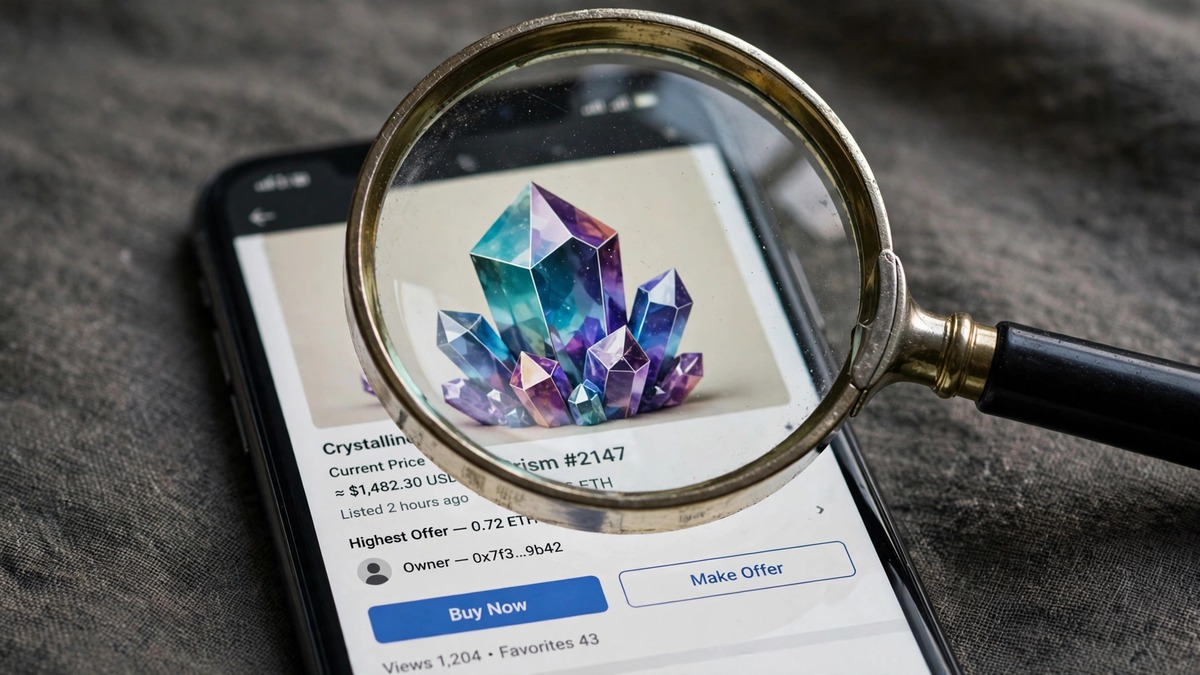
Floor-price traps are a common trick. The floor price is the lowest price for any item in a collection. Scammers list a fake copy just below the real floor, so it shows up first when buyers sort by lowest price. A buyer who is in a rush clicks buy, thinking they got a deal. They did not. They bought a copy. Always check the collection name, the contract, and the item’s history before you trust a low price. If a blue-chip NFT is listed far below every other item in the collection, ask why.
Fake airdrops are another trap. You get a message, an email, or a wallet notification saying you have won a free NFT. All you need to do is connect your wallet and claim it. The link takes you to a site that looks real. When you connect, it asks you to sign a transaction. That signature can drain your wallet. Real airdrops do not ask you to sign a risky transaction on a random site. If you did not expect an airdrop, do not click it. Go to the project’s official site yourself and check there.
Screenshot copies are the simplest fake of all. Anyone can right-click an NFT image and save it. They can then mint a new token with that same image. The picture is the same. The token is not. The value of an NFT is not just the image. It is the proof of which token is the real one, who created it, and what rights come with it. A screenshot copy has none of that. Check the token’s creation date, creator, and on-chain history. A real item from a known collection will have a trail. A copy will not.
Wash trading is harder to spot, but worth knowing. Wash trading is when a seller trades an NFT back and forth between wallets they control, to make it look popular or valuable. The price goes up, the volume looks high, and new buyers think they are joining a hot collection. Signs include the same few wallets trading the same item repeatedly, very fast sales at rising prices, and no real community around the project. If the trading looks too perfect, it probably is.
Use a checklist every time you buy. First, verify the contract address from the official source. Second, open the collection from the marketplace itself, not from a link. Third, check the item’s history — who minted it, who owned it before, and when. Fourth, compare the price with the rest of the collection. Fifth, never connect your wallet to claim a surprise airdrop. Sixth, if you are unsure, wait. A real deal will still be there after you check. A fake deal relies on you rushing.
Your wallet setup matters too. Use a separate wallet for buying NFTs if you can, and keep most of your funds in a different wallet. That way, if you do connect to a bad site, the damage is limited. Never share your seed phrase with anyone, for any reason. No real support team will ask for it. No real airdrop needs it. If a site asks for it, close the tab.
The market mood does not change these rules. Bitcoin was at $63,902 on 19 November, with Fear & Greed at 10, Extreme Fear. In a fearful market, buyers hunt for bargains, and scammers know it. A low price is not proof of value. It is often proof that someone wants you to act fast without checking.
Fake NFTs will not disappear. The tools to spot them are simple, though, and they work if you use them every time. Check the contract. Check the collection. Check the history. Check the price. Do not click surprise links. That five-minute check can save you from a loss that takes far longer to forget.
Disclaimer: This article is for information only and is not financial advice. Always verify a collection yourself before buying an NFT.
#CryptoBulletin #NFT #CryptoNewsToday #Blockchain #Web3 #CryptoMarketToday #CryptoNews #Altcoins #Crypto #BitcoinPrice #MarketUpdate #CryptoCommunity #Investing #Finance #CryptoCrash