 NFTs in 2027: What Collectors Are Actually Watching
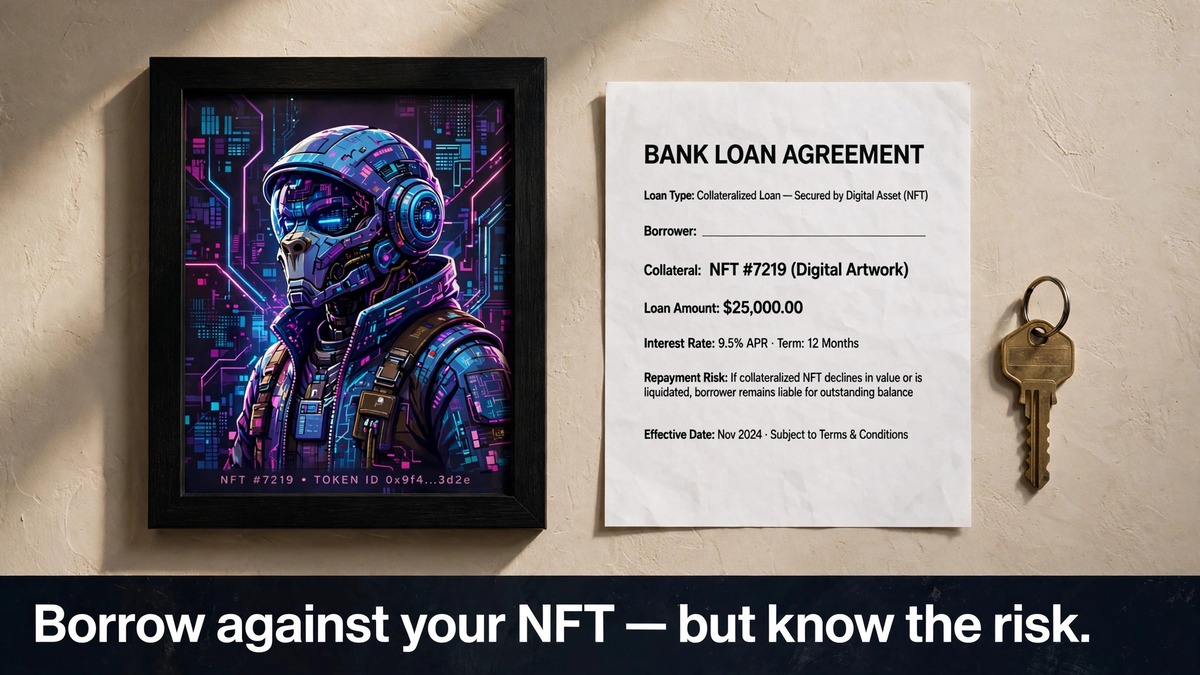 Borrowing Against Your NFT: How NFT Lending Works — and Where It Breaks
 How to Spot a Fake NFT Before You Buy It
 NFT Games After Somnium: What “Leaving Crypto” Actually Means for Players
 One Bitcoin NFT Sold for $1.58M: The BRC-20 Sale That Lifted the Whole Week
 Bitcoin Miners Earned Just 912 BTC in Fees All Year — a 15-Year Low
 PIEVERSE Jumps 50% in a Day as Its AI Agent Beta Opens
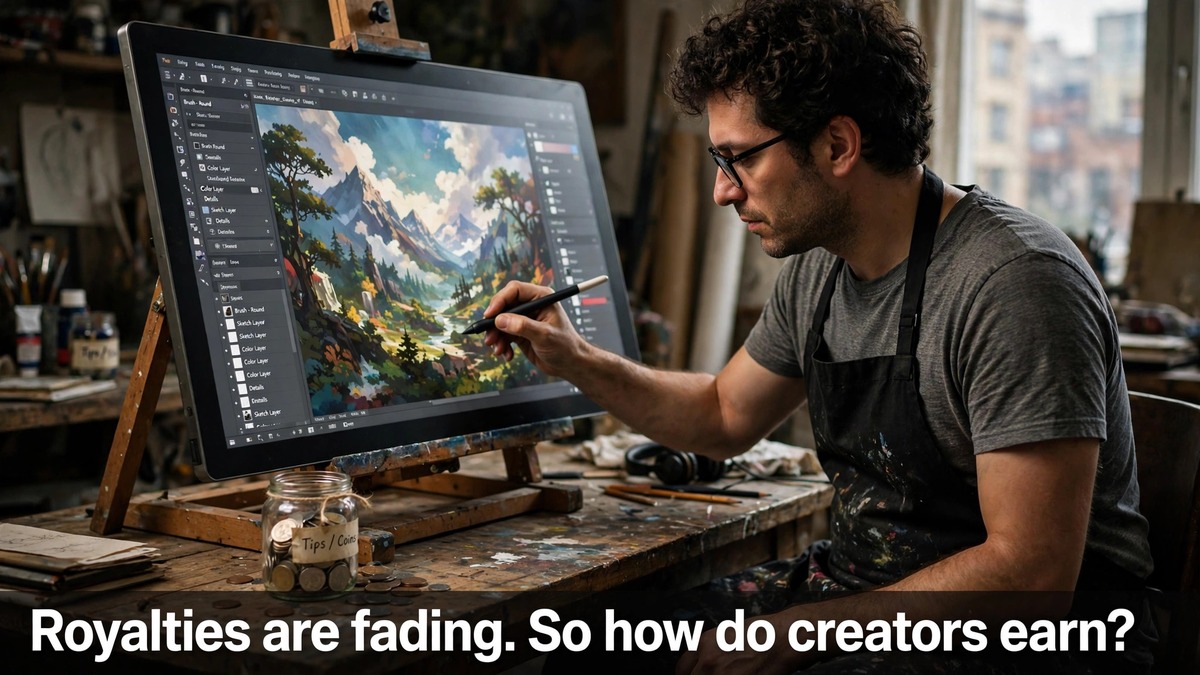
NFT royalties were meant to change how artists earn. Now they are fading.
Royalties were a simple idea. An artist sells an NFT once, and then earns a cut every time it is resold. A painter who sells a canvas once gets paid once. An NFT artist, in theory, gets paid again and again, for as long as the work keeps trading. That promise drew many creators into NFTs. It was one of the strongest reasons to try the technology at all.
The system worked when marketplaces enforced it. A marketplace is where NFTs are bought and sold. When a sale happened on a marketplace that honoured royalties, the smart contract or the marketplace itself would send a share to the creator. The artist did not have to chase the buyer. The payment happened automatically, as part of the sale.
Then marketplaces started to cut royalties. Competition played a big part. New marketplaces wanted to attract traders, so they offered lower fees or optional royalties. Traders liked that, because it made trading cheaper. If one marketplace charged a royalty and another did not, traders moved to the cheaper one. Creators lost out, but the marketplaces gained volume. Over time, the norm shifted from royalties as a rule to royalties as an option, and then to royalties as a rare exception.
The problem was never just technical. On most chains, royalties were not truly enforced by the blockchain itself. They were enforced by the marketplace. If a buyer and seller traded outside the marketplace, or used a marketplace that ignored royalties, the creator got nothing. That made royalties fragile from the start. They worked only as long as the main marketplaces agreed to honour them.
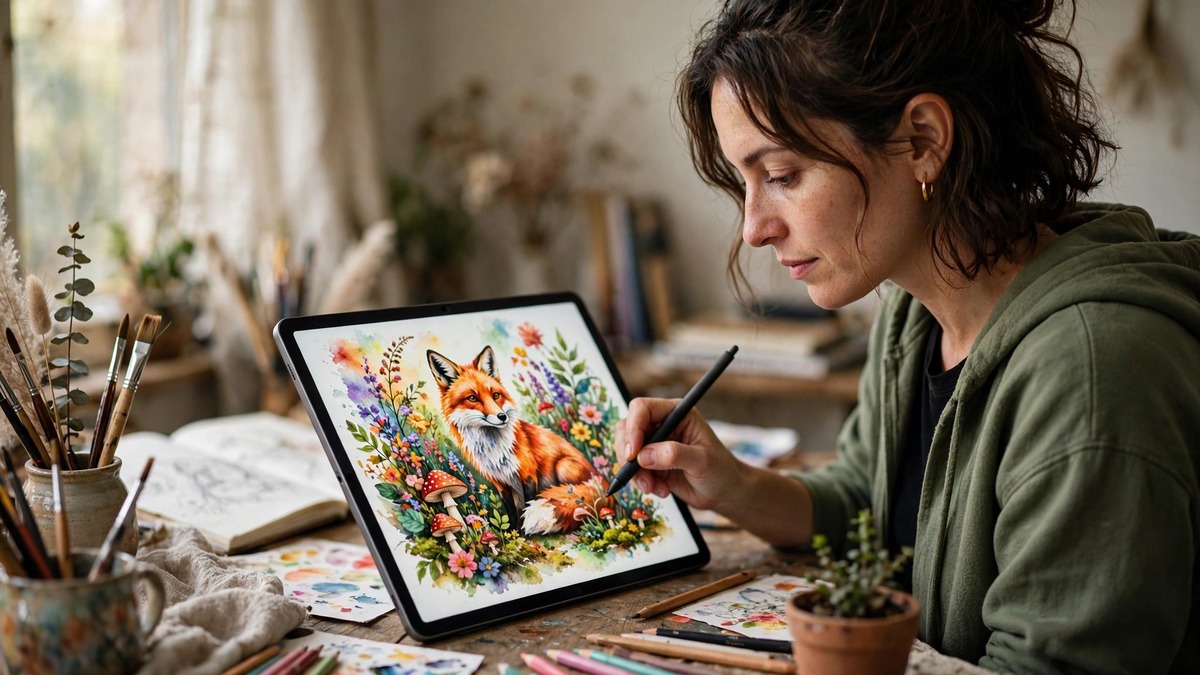
For creators, the effect is direct. A work that trades many times no longer brings in regular income. The first sale matters more than ever, because it may be the only sale that pays the creator in full. A creator who built a business around resale income has to rethink that business. That is not a small change. It affects how artists price work, how often they release, and whether they can afford to keep making art full time.
So what do creators actually earn now? The first answer is the primary sale. That is still the main income for most NFT artists. A well-priced first sale, to a real collector, is worth more than a hope of future royalties. Creators are spending more time on that first sale: building a collector list, telling the story behind the work, and making the drop itself an event.
Editions are a second answer. Instead of selling one unique piece, a creator sells a limited number of copies, say 50 or 100, at a lower price each. More people can buy, the creator earns from each copy, and the total can be larger than a single sale. Editions also build a wider collector base, which helps for the next drop. The trade is scarcity. A single unique piece can command a higher price, but an edition can reach more buyers.
Licensing is a third answer. A creator can license an image or character for use in a game, a book, a T-shirt, or a brand campaign. The NFT is the proof of ownership, but the licence is the income. This is closer to how traditional artists earn. A photographer licenses a photo. A designer licenses a logo. NFT artists are now doing the same, using their on-chain work as a portfolio and a proof of origin.
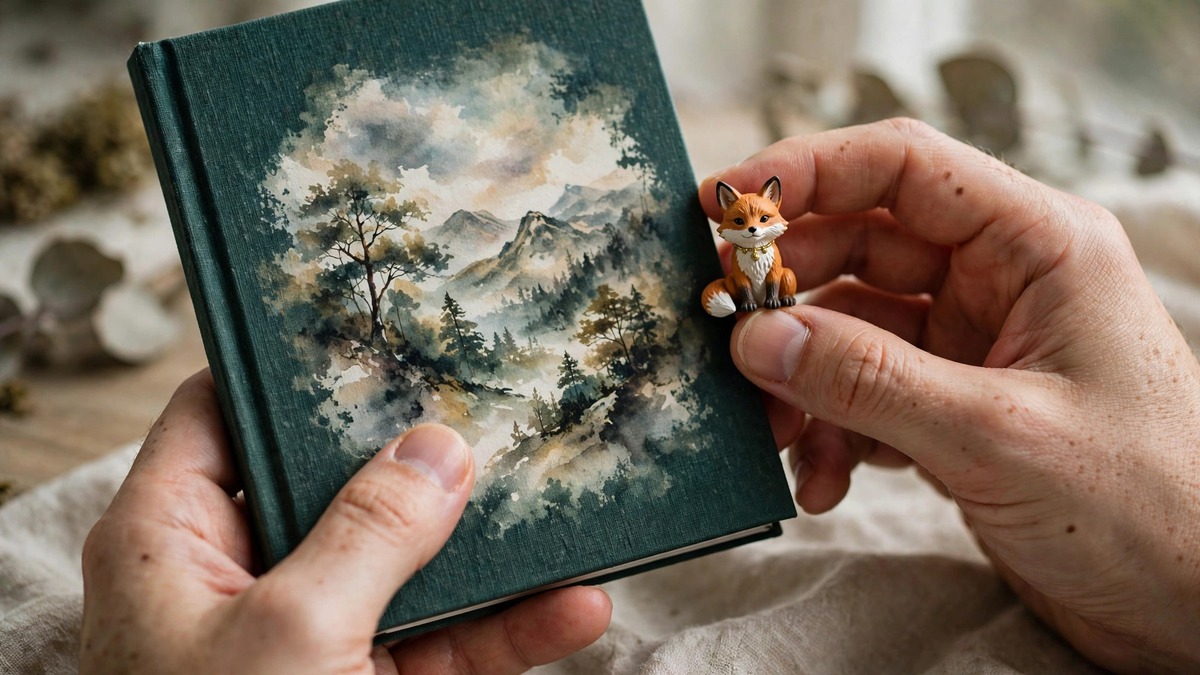
Physical goods are a fourth answer. Prints, books, toys, clothing, and gallery shows give creators a second market. A digital collector may also want a print on the wall. A physical buyer may then discover the digital work. The two markets feed each other. Physical goods also reach people who will never open a crypto wallet, which widens the audience a lot.
Some creators are also turning to direct support: memberships, commissions, and patronage. A collector pays for access, for a custom piece, or for a share in future work. That income is smaller and steadier than a big NFT flip. It is also more reliable than hoping a marketplace will honour a royalty.
None of these replacements is as automatic as royalties were meant to be. They all take work: marketing, shipping, contracts, and customer care. That is the honest trade. Royalties promised passive income from past work. The new models promise active income from current work. Creators who adapt can still earn. Creators who wait for royalties to return may wait a long time.
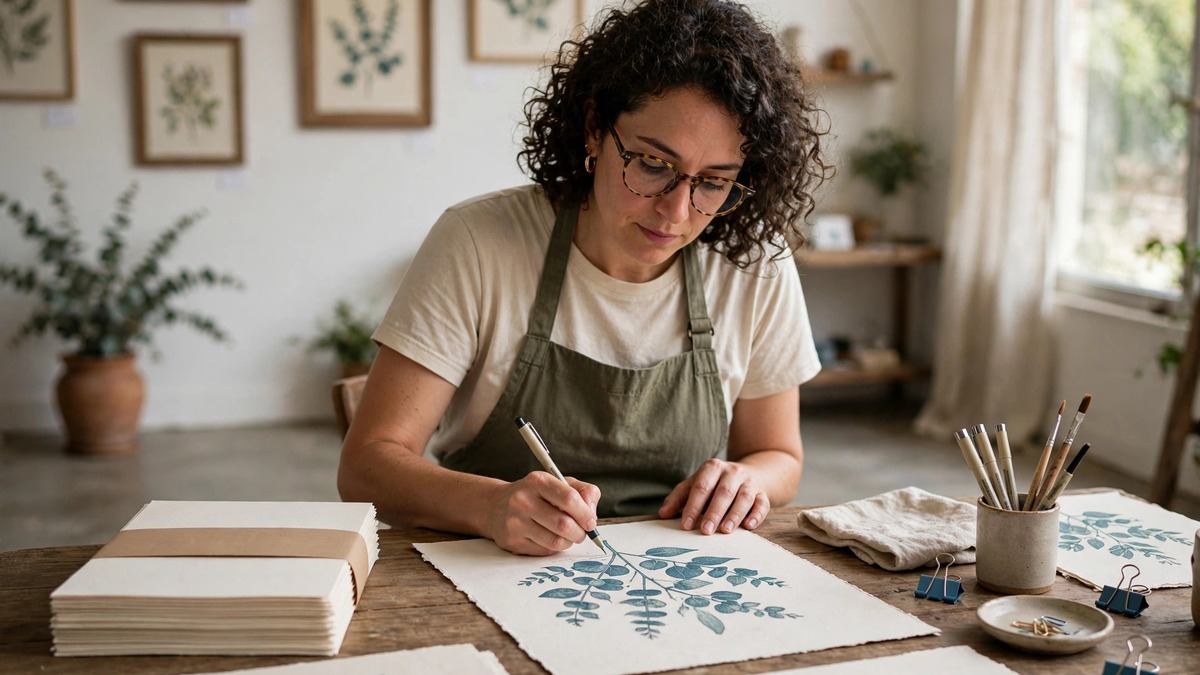
For collectors, the lesson is simple. If you value an artist, support them directly. Buy the primary sale. Buy an edition. Buy a print. Commission a piece. Do not assume a resale will pay them. In the current market, it often will not.
Royalties are fading, but creators are not gone. They are finding new ways to earn, one edition, licence, and print at a time.
Disclaimer: This article is for information only and is not financial advice. No royalty rate or earnings figure is stated here, as none was verified.
#CryptoBulletin #NFT #CryptoNewsToday #Web3 #Blockchain #CryptoMarketToday #CryptoNews #Altcoins #Crypto #BitcoinPrice #MarketUpdate #CryptoCommunity #Investing #Finance #CryptoCrash