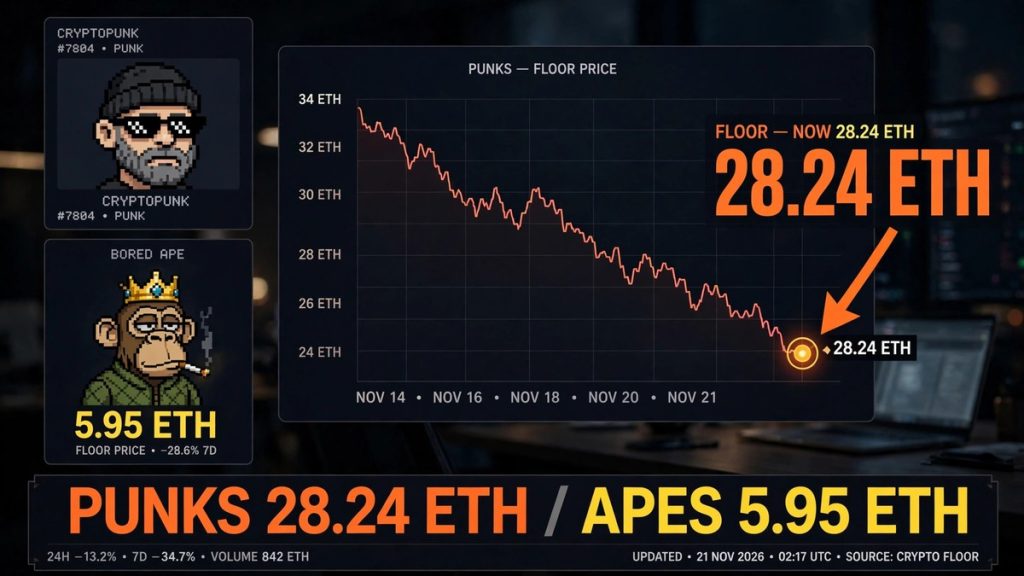
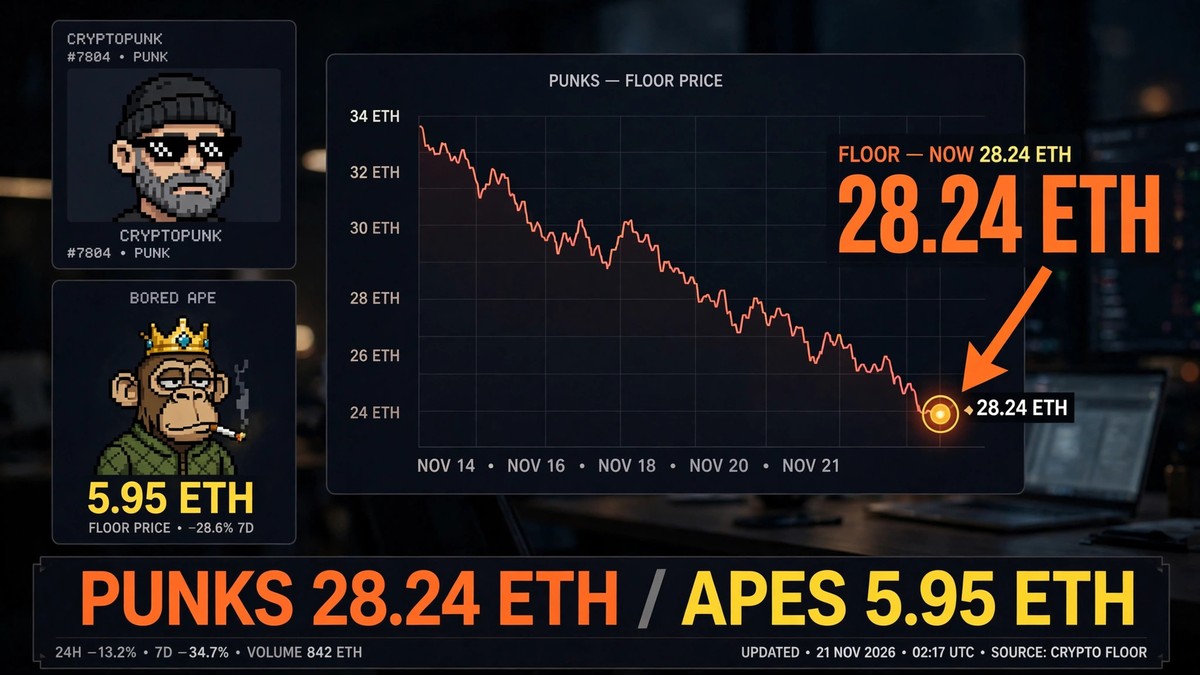
 CryptoPunks Floor Slips to 28.24 ETH as Bored Apes Fall to 5.95 ETH
 Blue-Chip NFTs Rise While Crypto Falls — Lil Pudgys and Azuki Lead as Azuki Cards Hit Stores
 MoneyGram Lets Solflare Users Cash Out Solana USDC in 170+ Markets
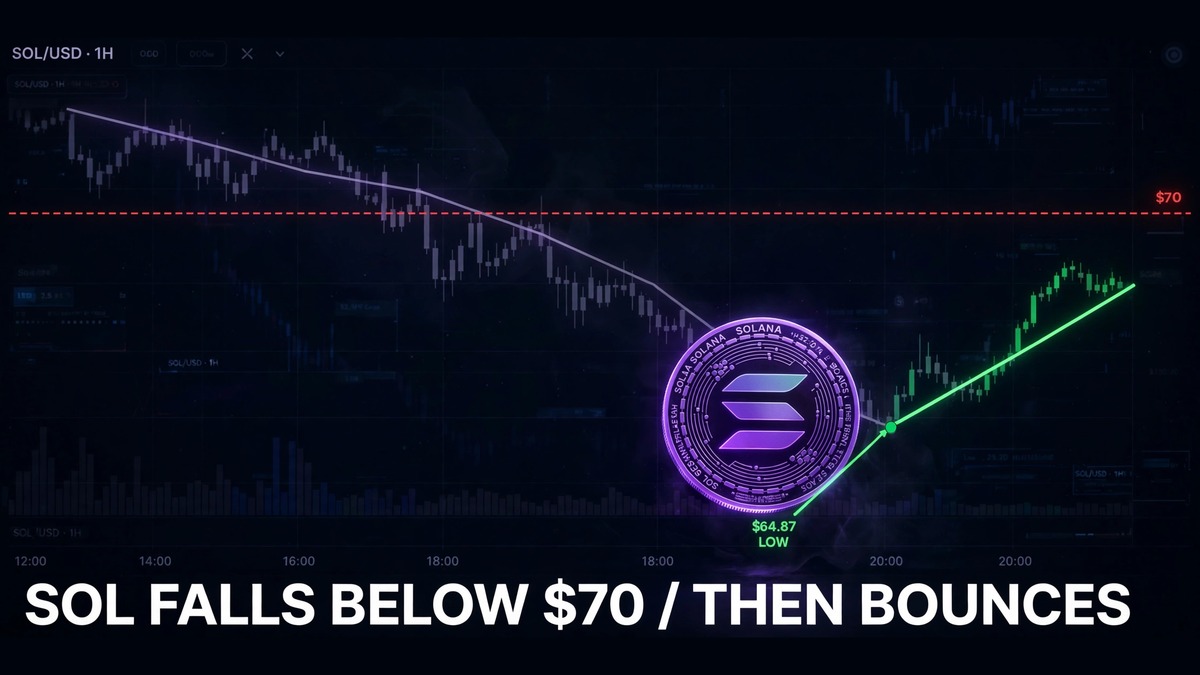 Solana Falls Below $70 After Mainnet 1.0 as Roundhill Drops Its Solana ETF Plan
 Ripple’s RLUSD Hits Record $2.7B as Binance Offers 600,000 XRP Airdrop to Holders
 Russia Opens Bitcoin, Ethereum and USDT Trading to Retail Investors Under New Rules
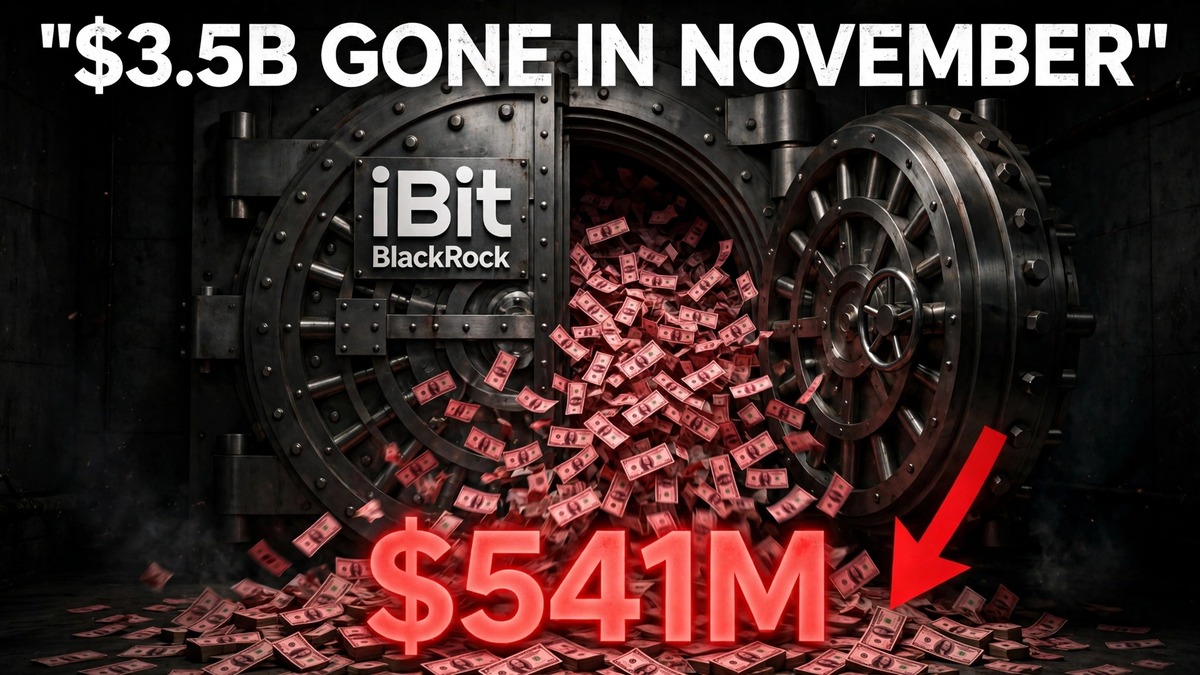 Bitcoin ETFs Lose Over $3.5B in November as BlackRock’s Record $541M Exit Leaves Q3 Buyers 19% Underwater
 Crypto Market Today, Nov 22: Bitcoin Below $56,000, Ethereum Near $1,630 as Fear Stays Extreme

The Binance hacker is on the move again — and this time, the number is big enough to make the whole market pay attention.
The hacker behind the $6.3 billion Binance theft has moved 137,602 ETH, worth about $248 million at the time of the move. That is not a test transaction. That is not dust. That is a quarter of a billion dollars in Ethereum, shifted in one of the largest single movements of stolen funds since the October 29 theft.
Let us be clear about what this means — and, just as importantly, what it does not mean. Moving crypto is not the same as selling it. The on-chain data shows the ETH changed wallets. It does not show that it was sold on an exchange, converted to cash, or cashed out in any way. The ETH could have been moved to new wallets for safekeeping, split into smaller amounts to make tracing harder, or positioned for a future sale. The move itself is a fact. The intent behind it is not — and anyone claiming the hacker “dumped” $248 million of ETH is getting ahead of the evidence.
That distinction matters, because the market reacts to headlines like this whether they are precise or not. A $248 million move sounds like a sale, and sales sound like selling pressure on ETH. But a wallet-to-wallet transfer puts no downward pressure on the price at all. It is only when stolen coins hit an exchange and get sold that the market feels it. So far, the reported evidence is movement, not a sale — and that is a crucial difference.
So why move it at all? For a thief holding billions in stolen crypto, movement is part of the job. Stolen funds are watched — every wallet is flagged, every transaction is traced by chain-analysis firms, exchanges and law enforcement. Sitting still is dangerous, because frozen funds are useless funds. Moving the ETH through fresh wallets, and potentially through mixers, bridges or smaller exchanges, is how a thief tries to break the trail and create distance between the theft and the eventual cash-out. Every move is a gamble: it creates new on-chain evidence, but it also muddies the picture.
The scale of the challenge is worth grasping. This ETH is part of a $6.3 billion haul attributed by the FBI to North Korea’s TraderTraitor group — a state-linked hacking operation with years of experience in exactly this kind of laundering. The US Department of Justice has already frozen or seized more than $1.2 billion connected to the theft, and a $6.5 billion freezing order is in force, with a hearing on Dec 1 about extending it. That is real pressure. But $1.2 billion recovered still leaves billions in play, and 137,602 ETH moving at once shows the holders of the remaining funds are active, organised and not sitting idle.

For exchanges, this is the nightmare scenario they train for. When stolen ETH moves, every exchange’s compliance team is on alert: the wallets are flagged, deposits from tainted addresses are blocked, and chain-analysis alerts fire the moment the coins touch a known service. That is why sophisticated thieves avoid direct exchange deposits and instead route funds through layers of wallets, decentralised exchanges and cross-chain bridges. It is a cat-and-mouse game, and the mouse has a multi-billion-dollar head start.
For ETH holders, the practical question is whether this movement threatens the price. The honest answer: not directly, not yet. A wallet transfer does not sell ETH. But it does remind the market that a huge overhang of stolen coins exists, and that some of it will eventually be sold — because thieves steal to spend, not to hold forever. That overhang is a real, if unquantifiable, weight on sentiment. It is one more reason ETH is struggling to find buyers at a moment when it is already down double digits in a week.
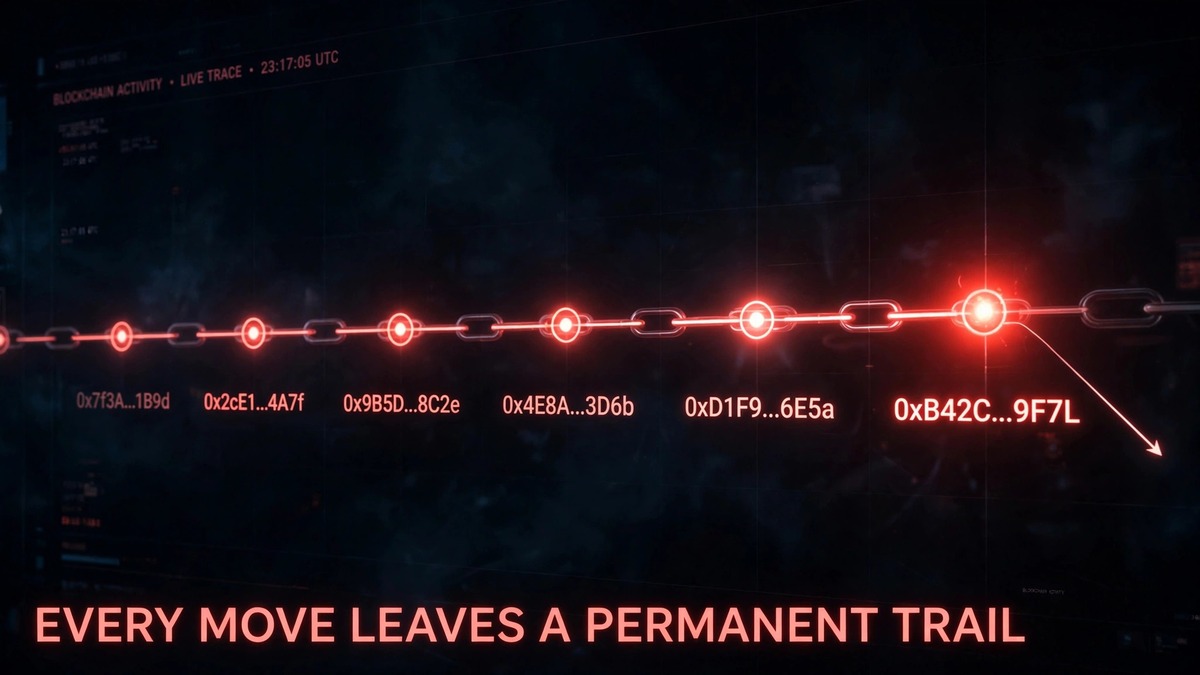
The bigger story is the tracing itself. Every move the hacker makes leaves a permanent record on the blockchain. Chain-analysis firms are watching every wallet, and law enforcement is building a case transaction by transaction. The hacker may be moving $248 million at a time — but they are doing it in the most surveilled financial system ever built. The question is not whether the trail exists. It is whether anyone can close the loop before the money disappears into the maze.
#CryptoBulletin #Binance #Ethereum #ETH #ETHPrice #CryptoHack #CryptoNewsToday #Blockchain #CryptoMarket #CryptoUpdate #CryptoSecurity #Bitcoin #CryptoNews #LatestCryptoNews #DeFi #Web3 #CryptoInvesting #CryptoTrading #NorthKorea #CryptoCrime