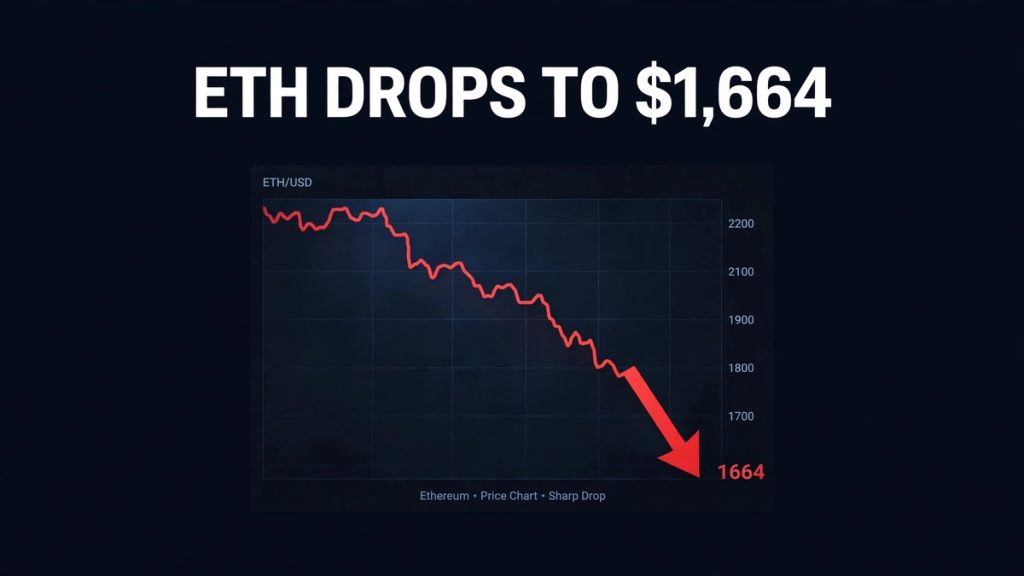
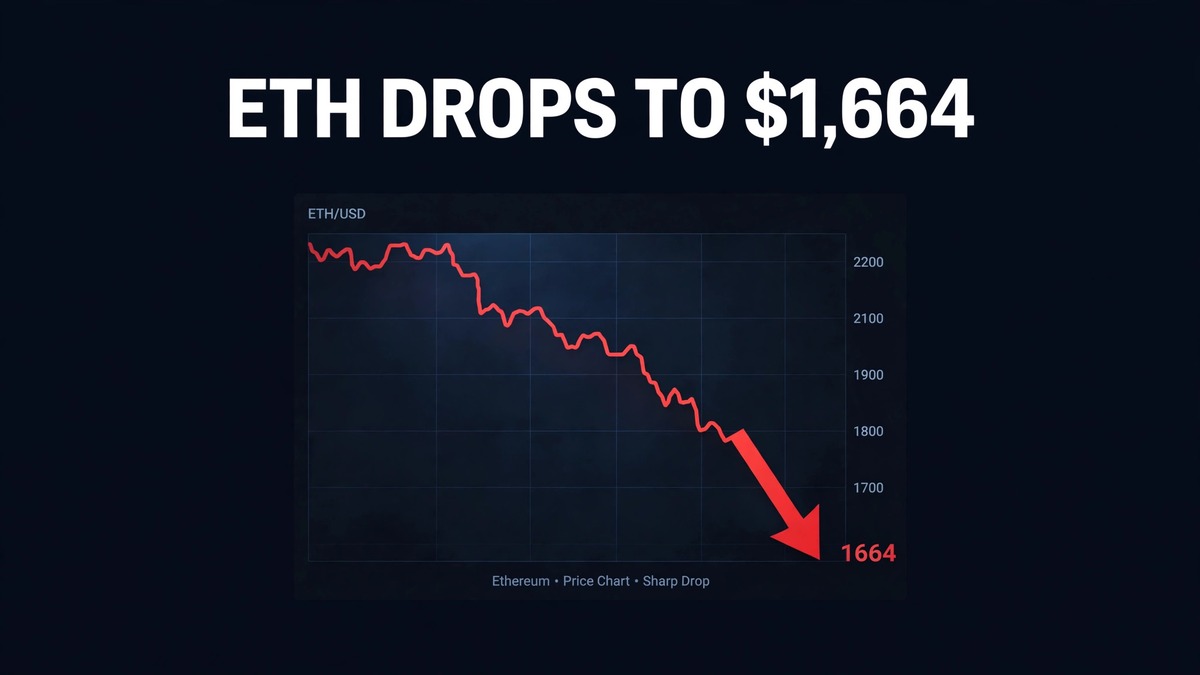
 Ethereum Price Today, Nov 28: ETH Drops to $1,664 as Outflows Keep Biting
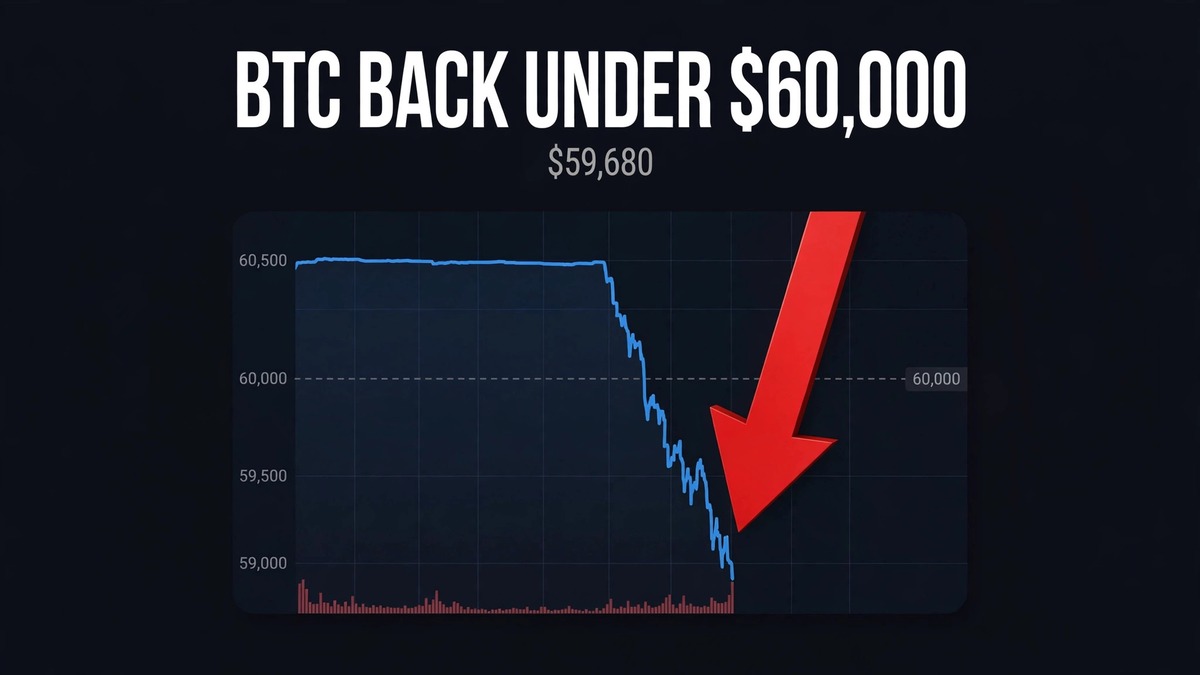 Bitcoin Price Today, Nov 28: BTC Slips Back Under $60,000 as Friday’s Rally Fades
 Whales Just Shed 150,000 Bitcoin — Every Rally Now Has to Eat That Supply
 A 35-Cent Payment Can Expose Your Bitcoin Wallet’s Location — Here’s How
 Long-Term Holders Are Selling Bitcoin at a Loss — $10.63 Billion in Just 7 Days
 PCE Confirmed at 3.8% — And the Fed May Hike in December Instead of Cutting
 US Treasury Just Cut MEXC Off From American Banks Over $16.7 Billion in Illicit Flows
 Bitcoin Just Lost $60,000 in Minutes — $200 Million in Longs Wiped Out as Wall Street Reopened

Binance has lifted the last of its withdrawal restrictions — 25 days after the hack that froze the world’s largest crypto exchange. The exchange said on November 26 that work to restore withdrawals after the October security incident was complete, closing a chapter that began when $6.34 billion was stolen and withdrawals were suspended on October 29.
Withdrawals are now open across nearly all networks, with only a small number still paused for routine maintenance or planned upgrades. For the millions of customers who have waited nearly a month to move their funds freely, it is the first day since late October that Binance has felt like Binance again.
💵 25 days, in stages
The recovery did not happen all at once. Binance began bringing withdrawals back on November 1, starting with Bitcoin, and the first group covered selected assets across 15 networks, including Ether and the USDT and USDC stablecoins on Ethereum. Deposits stayed open throughout the suspension.
The exchange said it prioritised the first tokens based on customer demand in the preceding week, running security and stability checks before restoring each asset and network pair. By its November 14 update, withdrawals had reopened on 87 networks, including Cardano, Litecoin and Avalanche, and the exchange was targeting the end of the following week for the rest. The final announcement came 25 days after the first withdrawals resumed.
It has been a long month for the exchange. The hack — one of the largest in crypto history — was followed by a scramble to cover the losses, a flood of withdrawals the moment the doors reopened, and a US Justice Department forfeiture action against the stolen funds. That the exchange is now fully reopened is, by any measure, a significant moment for the market.

📈 The $3.64 billion rush for the exit
The first reopening brought exactly what everyone expected: a rush for the door. Between 06:00 and 15:30 UTC on November 1, Binance processed $4.65 billion in withdrawals against $1.01 billion in deposits — $3.64 billion in net outflows in nine and a half hours.
The exchange said withdrawal volumes eased after that initial spike, and the numbers back that up — the flood was a one-day event, not a sustained drain. But the scale of it said something important about trust. Customers who had waited days to move their money moved it the moment they could, and the exchange had to absorb the largest single-day outflow in its history while still rebuilding from the breach.
BNB, the exchange’s own coin, has held up through it all — trading near $555.55, up 0.7% in the last 24 hours, and steady above $550 while the market bounces. That steadiness is notable. In past exchange crises, the native token has usually been the first thing to crack. This time it did not.
⚠️ The money is still moving
Here is the part that should keep the story from being told as a clean ending: the stolen money is still moving. Earlier on November 26, blockchain tracker Onchain Lens reported another $35.52 million in Ether transfers from wallets it linked to the hack. The tracker put the remaining unfrozen holdings at around $1.9 billion — including 18,350 Bitcoin worth $1.11 billion and roughly 462,000 Ether worth $785.2 million — with another $2.6 billion estimated to sit in frozen stablecoins.
Three days earlier, the US Justice Department announced a civil forfeiture action seeking more than $1.1 billion in Circle-issued USDC that prosecutors allege came from the theft, covering 36 addresses across 18 blockchains. US authorities say they have helped freeze, seize or return nearly $3 billion in cryptocurrency from multiple sources since the breach.
The withdrawals are back. The investigation is not over, and neither is the hunt for the money.

🎯 What to watch next
Watch the remaining networks first. A small number are still under maintenance or scheduled upgrades, and Binance says they account for a very small share of normal withdrawal traffic — but until they are back, the recovery is not quite complete.
Watch the hack-linked wallets second. Another $35.52 million moved on November 26 alone, and with $1.9 billion still unfrozen, every further movement will be tracked in real time by the same onchain watchers who flagged this one.
And watch what Binance does about the money it spent. The exchange says it covered the affected assets with more than $6.34 billion in company funds, drawn from its corporate treasury, part of its Secure Asset Fund for Users and a portion of its futures insurance fund. It has pledged to bring the user protection fund back to around $1 billion. A reserve snapshot taken on November 12 covered 198 tokens, with cryptographic proof generated on November 14 showing assets backed at least 1:1. Whether that backing holds up to independent scrutiny is the question that will decide how much trust the exchange has actually rebuilt.
Binance withdrawals are back, 25 days after the $6.34 billion hack. The exchange survived its worst month. The stolen billions have not been recovered — and until they are, the story is not finished.
#CryptoBulletin #Binance #BNB #CryptoExchange #CryptoNews #CryptoMarket #CryptoNewsToday #CryptoMarketToday #LatestCryptoNews #Bitcoin #Ethereum #CryptoHack #Blockchain #Web3 #CryptoSecurity