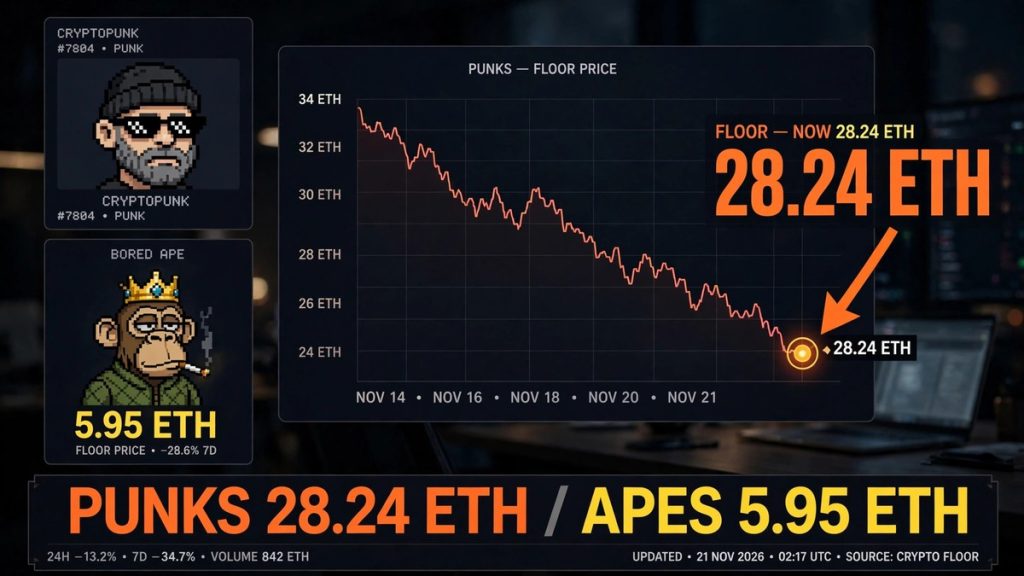
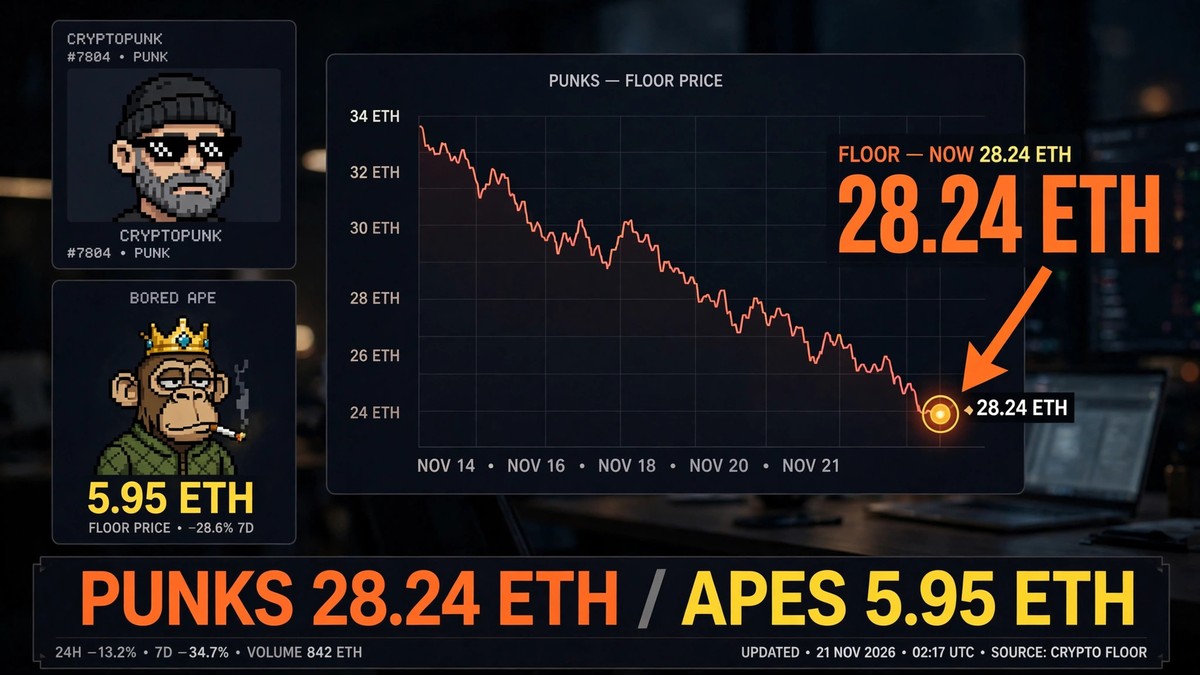
 CryptoPunks Floor Slips to 28.24 ETH as Bored Apes Fall to 5.95 ETH
 Blue-Chip NFTs Rise While Crypto Falls — Lil Pudgys and Azuki Lead as Azuki Cards Hit Stores
 MoneyGram Lets Solflare Users Cash Out Solana USDC in 170+ Markets
 Solana Falls Below $70 After Mainnet 1.0 as Roundhill Drops Its Solana ETF Plan
 Ripple’s RLUSD Hits Record $2.7B as Binance Offers 600,000 XRP Airdrop to Holders
 Russia Opens Bitcoin, Ethereum and USDT Trading to Retail Investors Under New Rules
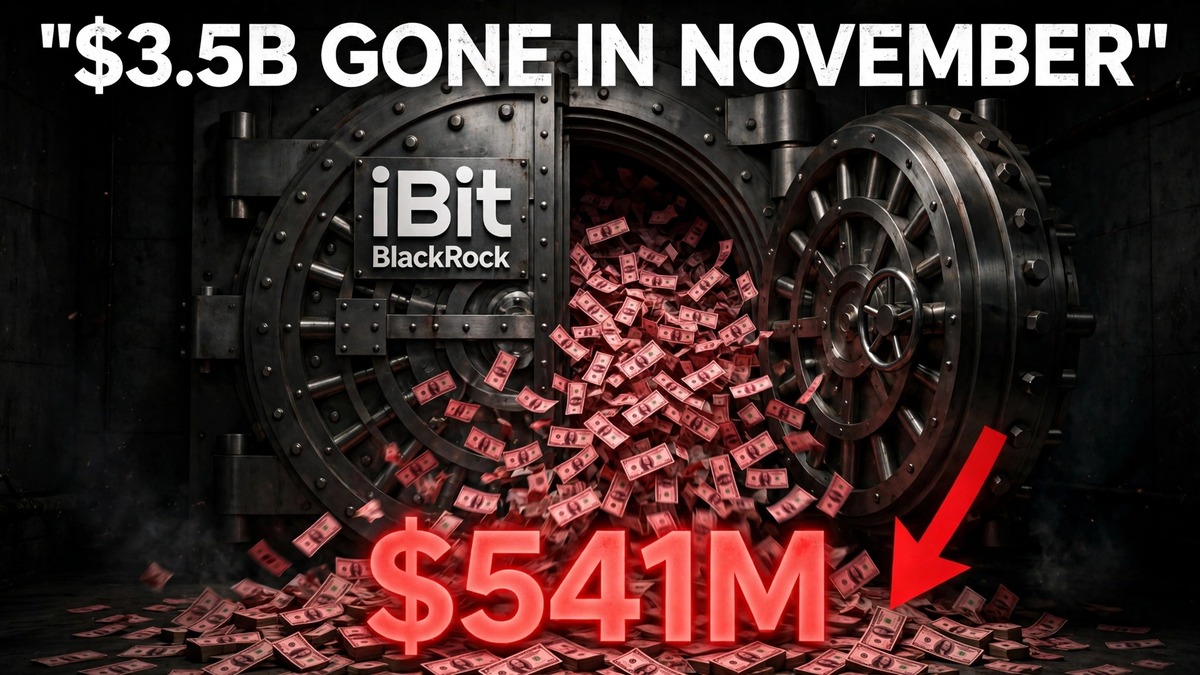 Bitcoin ETFs Lose Over $3.5B in November as BlackRock’s Record $541M Exit Leaves Q3 Buyers 19% Underwater
 Crypto Market Today, Nov 22: Bitcoin Below $56,000, Ethereum Near $1,630 as Fear Stays Extreme

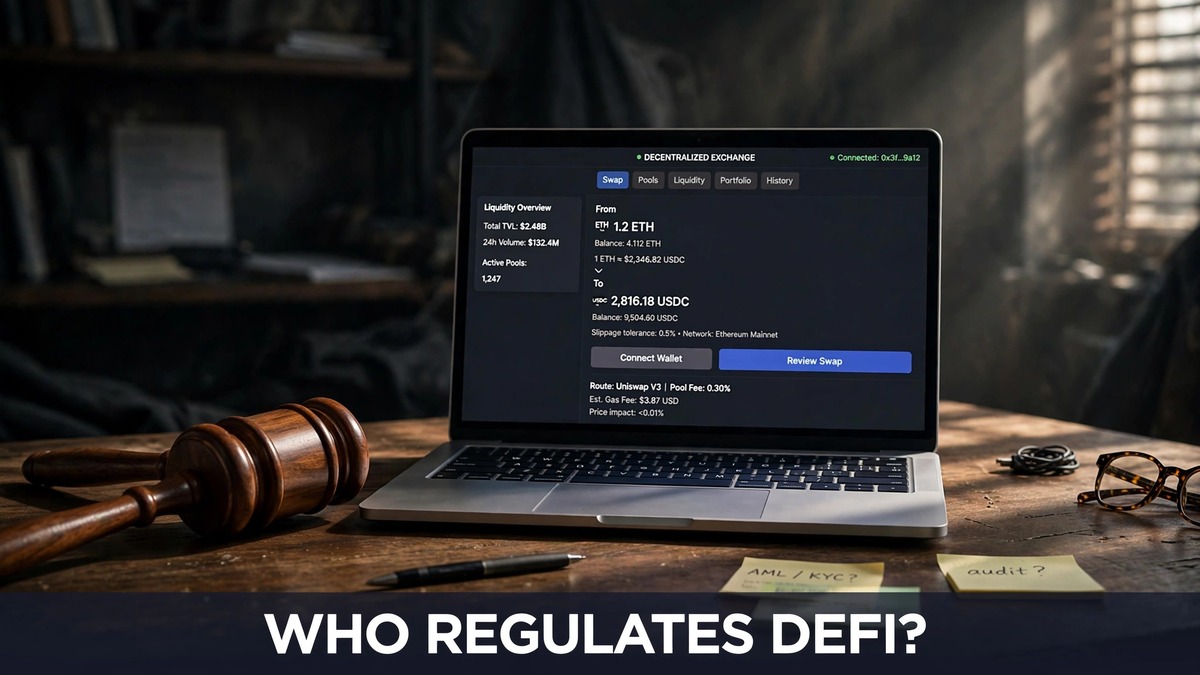
For years, the question hanging over crypto in America has been simple and unanswered: who regulates the exchanges that live on-chain, and how? This week, the Commodity Futures Trading Commission — the CFTC — took a step toward answering it, setting new rules for on-chain exchanges in a move reported on Nov 20. It is the kind of development that sounds technical and turns out to be anything but, because it touches the future of how Americans trade crypto, including the perpetual contracts that have become one of the market’s biggest products.
This article does not duplicate the Binance.US story, where Binance.US registration applications were called “materially complete.” That is a separate, company-specific development. This is about the wider rules — the framework the CFTC is putting in place for on-chain exchanges as a category — and what it could mean for US crypto trading as a whole.
What the CFTC did
The CFTC set new rules for on-chain exchanges, as reported in the Nov 20 roundup. The specifics of those rules — their exact scope, their effective dates, their requirements for different kinds of platforms — should be checked against the latest reporting at publish time, because rule announcements like this often come with details that emerge in stages, and getting them wrong would mislead readers.
What can be said with confidence is the direction: the CFTC is moving to bring on-chain trading venues into a clearer regulatory framework, rather than leaving them in the grey area where much of DeFi has operated for years. That is a significant shift in approach, and it is one the industry has been waiting for — and worrying about — for a long time.
Why on-chain exchanges matter
On-chain exchanges are different from the centralised exchanges most people know, like Coinbase or Binance. They run on smart contracts, they settle trades on a blockchain, and in many cases they operate without a single company in the middle holding your funds. That design is the whole point of DeFi: trading without trusting an intermediary.
It is also the design that has made regulation so difficult. Traditional rules assume there is a company to regulate, an office to inspect, a chief executive to hold responsible. On-chain exchanges do not always have those things in any straightforward way. Writing rules for them means answering questions that traditional finance never had to ask: who is responsible when a smart contract misbehaves? What does compliance look like when there is no central operator? How do you apply rules designed for Wall Street to code that runs itself?
The CFTC’s move is an attempt to start answering those questions. Whether the answers are good ones will depend on the details — and on how the industry responds.
What it could mean for US crypto trading
If the rules work as intended, they could open the door to something the US market has largely lacked: regulated, on-chain trading for American users. For years, many DeFi platforms have either blocked US users or operated in a legal grey area, leaving Americans to choose between centralised exchanges and offshore platforms. A clear CFTC framework could change that, giving on-chain venues a path to serve US traders legally.
That matters most for perpetuals — the leveraged contracts that let traders bet on crypto prices without owning the underlying asset. Perpetuals are one of the largest and most liquid products in crypto globally, but in the US they have been severely restricted. If the new rules create a compliant route for perpetuals trading on-chain, it would be a major development, potentially bringing a huge amount of activity back onshore.
It could also matter for DeFi more broadly. A clear framework, even a strict one, is often better than no framework at all, because it lets builders plan, lets investors commit, and lets users know where they stand. The worst outcome for innovation is not strict rules. It is uncertain rules, where nobody knows what is allowed until an enforcement action arrives.
What to watch next
In the coming days and weeks, watch for the full text of the rules, for reactions from major DeFi protocols and on-chain exchanges, and for any guidance on timelines — when the rules take effect, what the transition looks like, and whether existing platforms will need to register or restructure. Watch, too, for the first platforms to announce they will operate under the new framework. Their decisions will tell you more about what the rules really mean than any press release will.
For US crypto traders, the hope is straightforward: a market where on-chain trading is legal, clear and accessible, including perpetuals, without having to go offshore. The CFTC has taken a step in that direction. Whether it leads where the industry hopes is a question only the details — and the months ahead — can answer.

Hashtags: #CryptoBulletin #CFTC #CryptoRegulation #Blockchain #Bitcoin #CryptoNewsToday #DeFi #LatestCryptoNews #Altcoins #CryptoTrading #CryptoUpdate #USCrypto #Perpetuals #CryptoMarket #Regulation #Web3 #CryptoLaw #OnChain