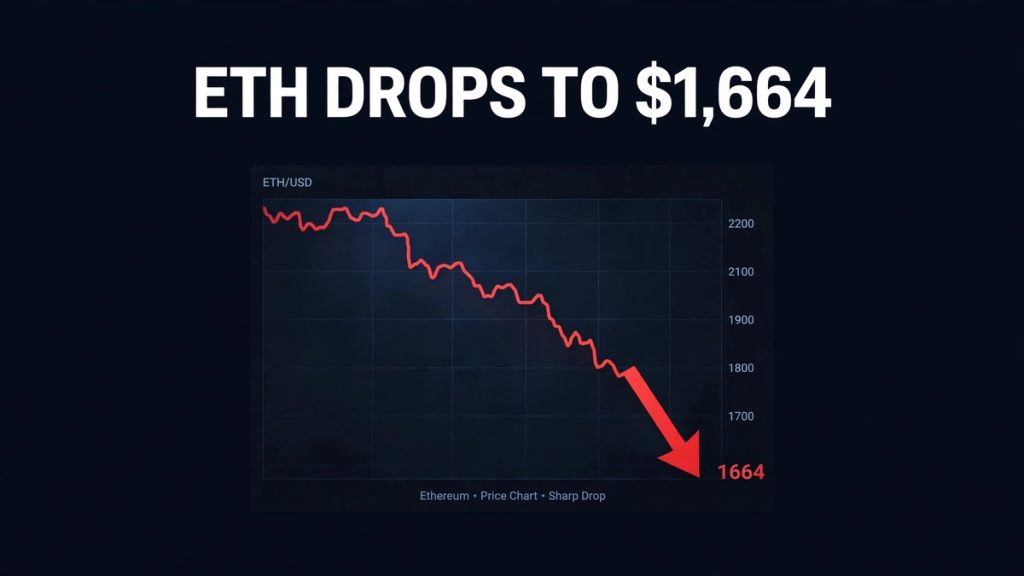
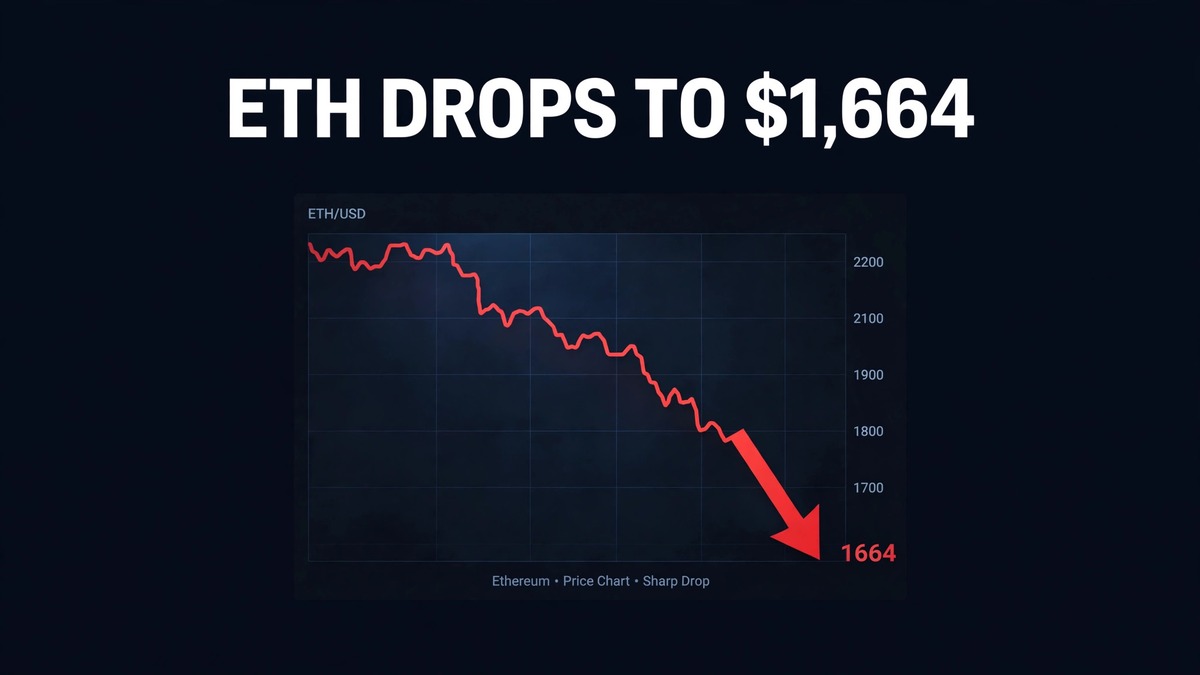
 Ethereum Price Today, Nov 28: ETH Drops to $1,664 as Outflows Keep Biting
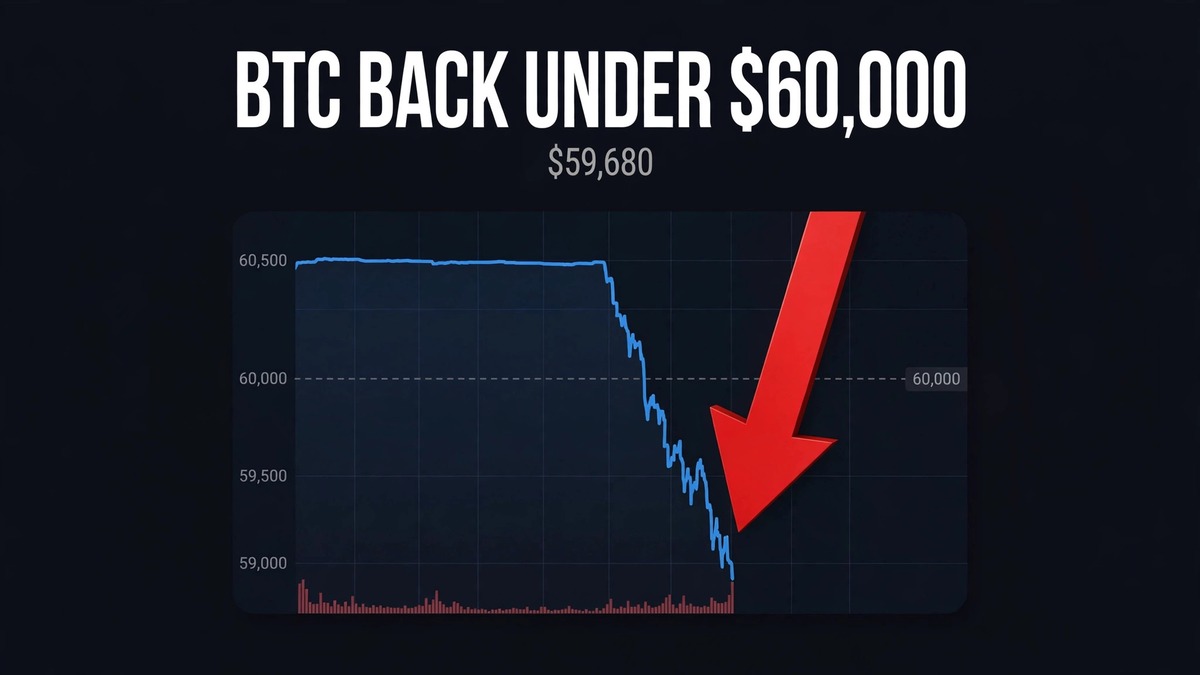 Bitcoin Price Today, Nov 28: BTC Slips Back Under $60,000 as Friday’s Rally Fades
 Whales Just Shed 150,000 Bitcoin — Every Rally Now Has to Eat That Supply
 A 35-Cent Payment Can Expose Your Bitcoin Wallet’s Location — Here’s How
 Long-Term Holders Are Selling Bitcoin at a Loss — $10.63 Billion in Just 7 Days
 PCE Confirmed at 3.8% — And the Fed May Hike in December Instead of Cutting
 US Treasury Just Cut MEXC Off From American Banks Over $16.7 Billion in Illicit Flows
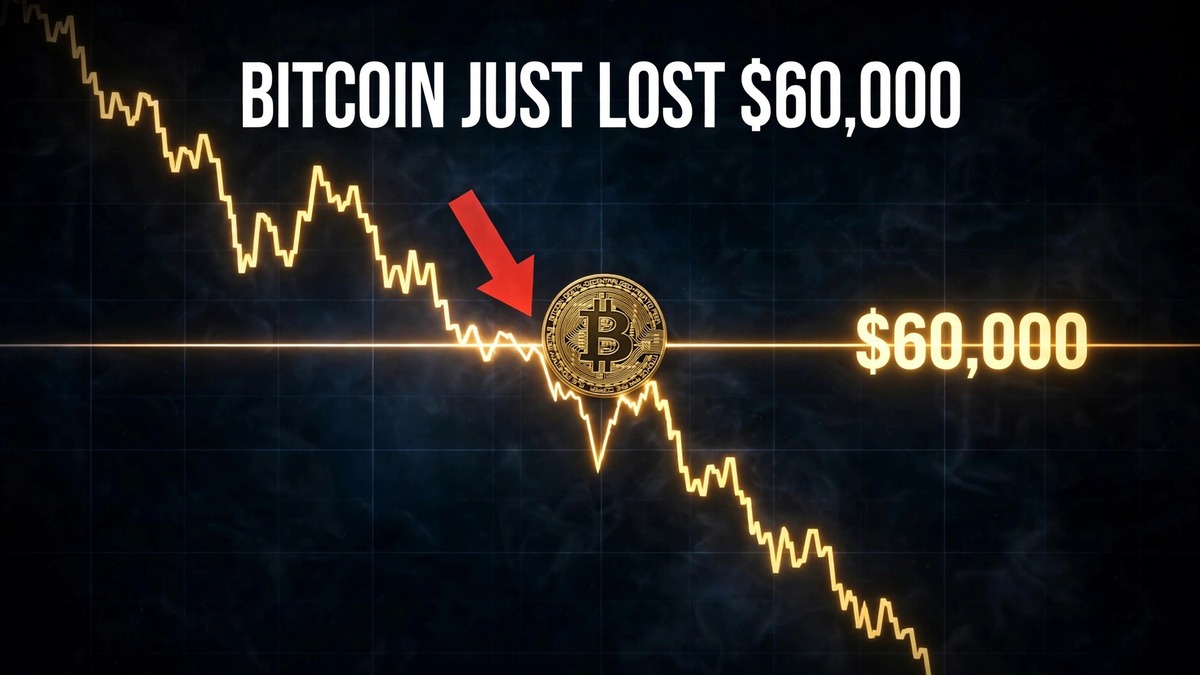 Bitcoin Just Lost $60,000 in Minutes — $200 Million in Longs Wiped Out as Wall Street Reopened
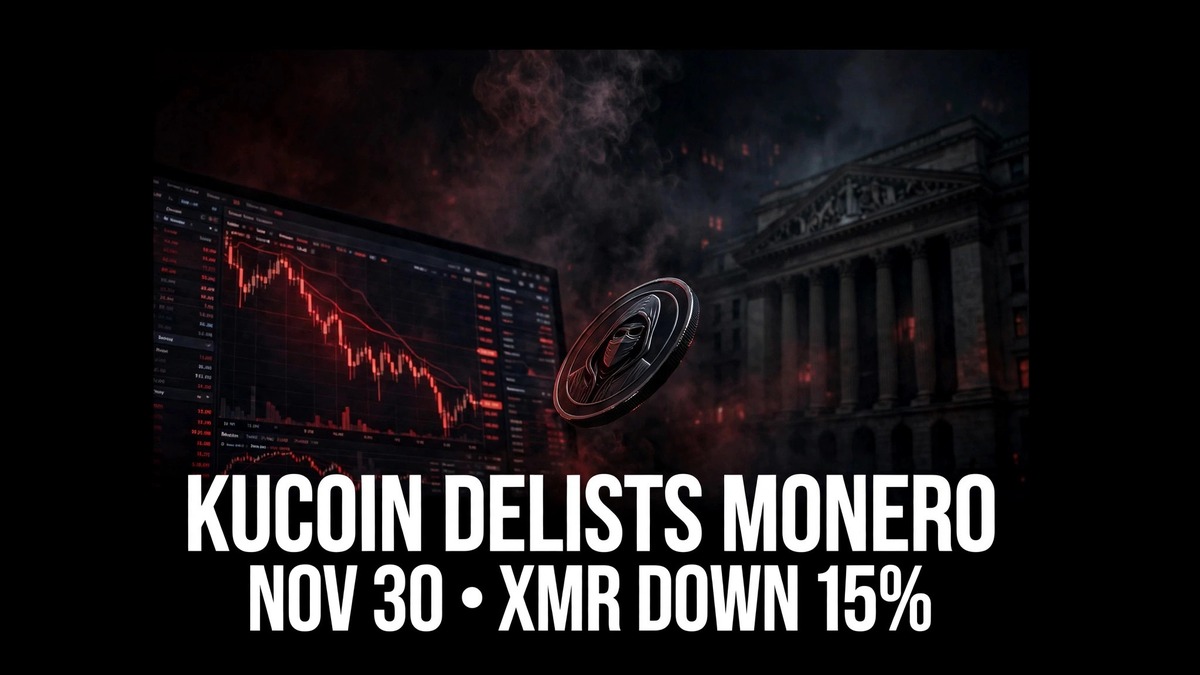
Monero is losing another big exchange. KuCoin announced on November 26 that it will remove Monero (XMR) from spot trading on November 30, 2026 — and the market reacted the way it always does to a delisting: fast and hard. XMR crashed around 15% on the news, sliding from about $525 to an intraday low near $437 in a matter of hours, before steadying near $456. It was a brutal single-day fall that came while the wider market was holding steady — Bitcoin near $60,500 — which makes the delisting, not the market, the story.
For Monero holders, the date matters more than the price. At 08:00 UTC on November 30, KuCoin removes all four XMR spot pairs — against USDT, USDC, ETH and BTC. Deposits are already suspended. Withdrawals stay open until December 31, and KuCoin has warned that any XMR left on the exchange after that could be converted into stablecoins — a conversion it says is “not guaranteed.” Flexible savings ends November 27, trading bots, Convert swaps and Earn products shut down on November 30, and XMR stops counting as collateral for VIP loans.
💵 The privacy-coin squeeze keeps tightening
KuCoin’s decision is not happening in isolation. It is the latest turn in the privacy-coin squeeze — the slow, steady removal of privacy coins from big centralised exchanges that has been running for years. Binance, Kraken, OKX and others have all cut or restricted Monero and similar coins at various points, usually citing regulatory pressure and compliance rules. Just nine days earlier, MEXC discontinued XMR spot trading. Each delisting on its own is a blow. Together, they are a pattern — and the pattern points in one direction.
And KuCoin is no minor venue for this coin. Its XMR/USDT pair alone was doing tens of millions of dollars a day — roughly half of Monero’s visible spot trading, by some measures the coin’s single biggest price-discovery venue. Losing KuCoin is not losing a listing. It is losing the market where Monero’s price is made.
The reason is simple, and it has nothing to do with Monero’s technology. Privacy coins are designed to hide transaction details: who sent what, to whom, and how much. That is the whole point of Monero, and it is also exactly what regulators and compliance teams dislike. Exchanges that want to keep their licences, keep their banking partners and keep operating in major markets have increasingly decided that listing a coin built for untraceable transactions is not worth the risk. KuCoin is the latest to make that calculation.
That leaves Monero in a strange position. The coin works exactly as designed — and the market for it is shrinking anyway, not because the technology failed, but because the venues that sell it keep closing their doors. Monero’s latest privacy upgrade, FCMP++, passed its security audit just days before the delisting was announced. The technology is not the problem. The shrinking list of places to buy it is.

📈 A 15% drop — and what it says about XMR
The 15% fall on the news is the market doing its usual maths. A delisting removes buyers as well as sellers: fewer venues means less liquidity, less liquidity means bigger price swings, and bigger price swings mean traders demand a discount to hold the coin at all. For a coin like Monero, which already trades on thinner volumes than the majors, losing KuCoin is a real hit to how easily XMR can be bought and sold.
It also lands in a market that is still on its knees. Bitcoin is trading near $60,541, down more than 20% in November, and the Fear & Greed Index is at 11 — deep in Extreme Fear, according to alternative.me. A 15% drop on a delisting headline, in a market where confidence is already shot, is the kind of move that can snowball: holders rush for the exit before November 30, the price falls further, and more holders rush for the exit.
But it is worth remembering that Monero has survived delistings before. The coin has been cut from major exchanges repeatedly over the years, and each time the obituaries were written — and each time XMR kept trading, on smaller exchanges, on decentralised platforms, and peer to peer. The privacy-coin community is used to this. That does not make the KuCoin delisting painless. It just means the coin has been here before.
⚠️ What holders need to do before November 30
The practical question is the urgent one. Anyone holding XMR on KuCoin should move it to a wallet they control before the deadline, or sell it on KuCoin while spot trading is still open. Withdrawals stay open until December 31 — but KuCoin has warned it may convert any XMR left behind into stablecoins, and that conversion is “not guaranteed.” Leaving it on the exchange past the delisting is the one option that risks losing access to it entirely — and in a day when the price has already fallen 15%, that is a loss nobody needs on top of a loss.

🎯 What to watch next
Watch November 30 first. The delisting date is the test: if KuCoin follows through on schedule, the story is done. If the timeline slips or the terms change, the delay itself will be the story.
Watch the other exchanges second. Every big delisting raises the same question: who is next? If more major venues follow KuCoin, Monero’s remaining liquidity shrinks further — and the privacy-coin squeeze becomes a rout. If KuCoin stands alone, it will look like one exchange’s compliance decision, not a verdict on the coin.
And watch XMR itself. A 15% drop on a delisting is the market’s first reaction. The second reaction — whether buyers step in at the lower price, or whether the selling continues into November 30 — will tell you whether Monero still has a floor, or whether the squeeze has further to run. One thing to note: KuCoin’s notice said nothing about its XMR perpetual contract, so derivatives traders should check the exchange’s own pages before assuming anything about perps.
#CryptoBulletin #Monero #XMR #KuCoin #PrivacyCoin #CryptoNews #CryptoMarket #CryptoNewsToday #CryptoMarketToday #TopCryptoStory #Bitcoin #BTC #Altcoins #Blockchain #Web3