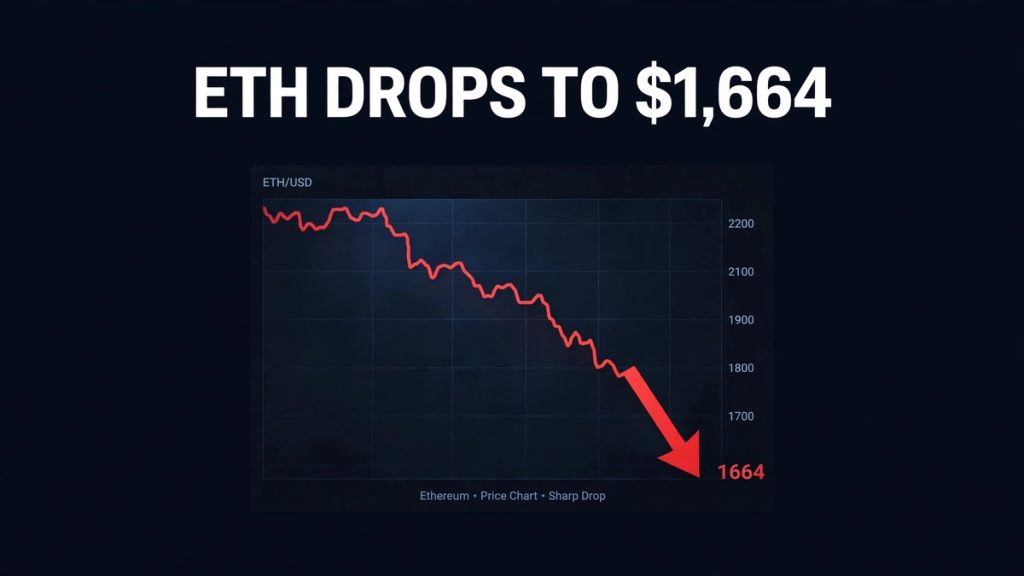
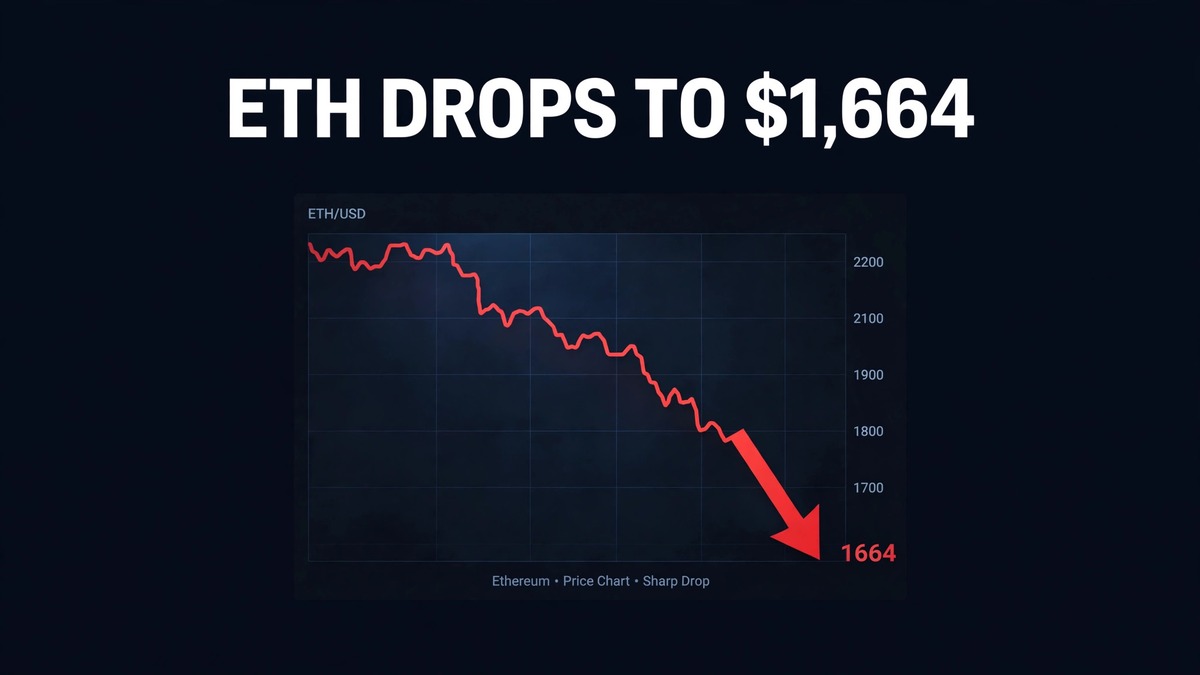
 Ethereum Price Today, Nov 28: ETH Drops to $1,664 as Outflows Keep Biting
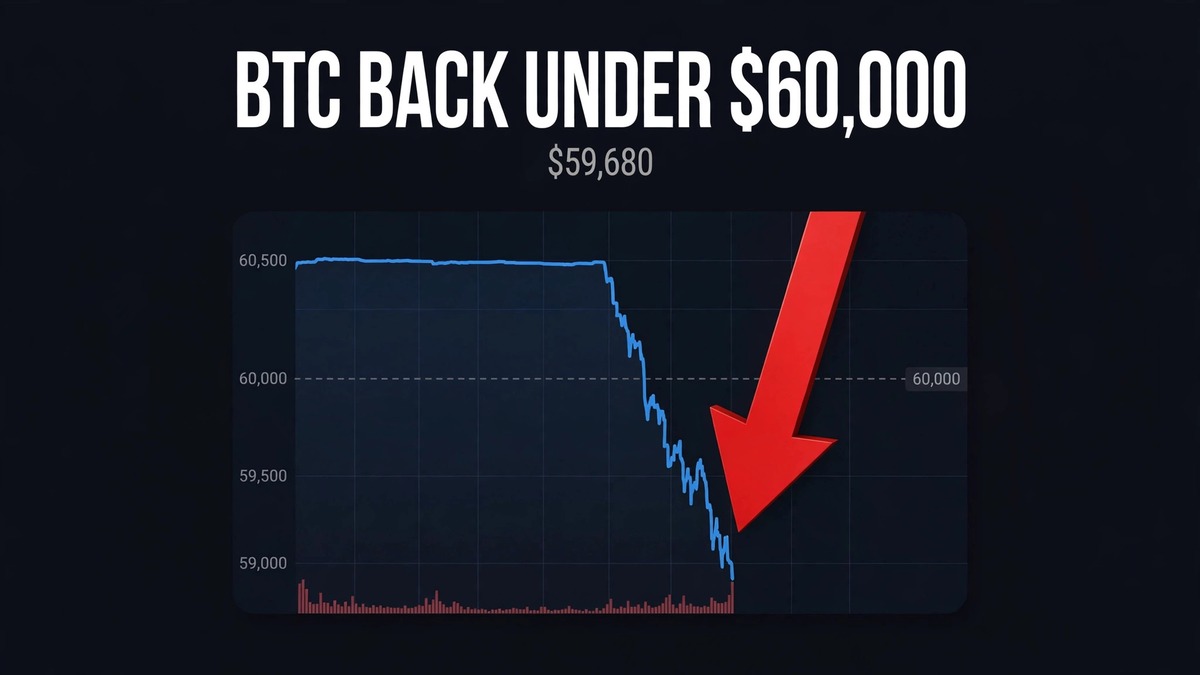 Bitcoin Price Today, Nov 28: BTC Slips Back Under $60,000 as Friday’s Rally Fades
 Whales Just Shed 150,000 Bitcoin — Every Rally Now Has to Eat That Supply
 A 35-Cent Payment Can Expose Your Bitcoin Wallet’s Location — Here’s How
 Long-Term Holders Are Selling Bitcoin at a Loss — $10.63 Billion in Just 7 Days
 PCE Confirmed at 3.8% — And the Fed May Hike in December Instead of Cutting
 US Treasury Just Cut MEXC Off From American Banks Over $16.7 Billion in Illicit Flows
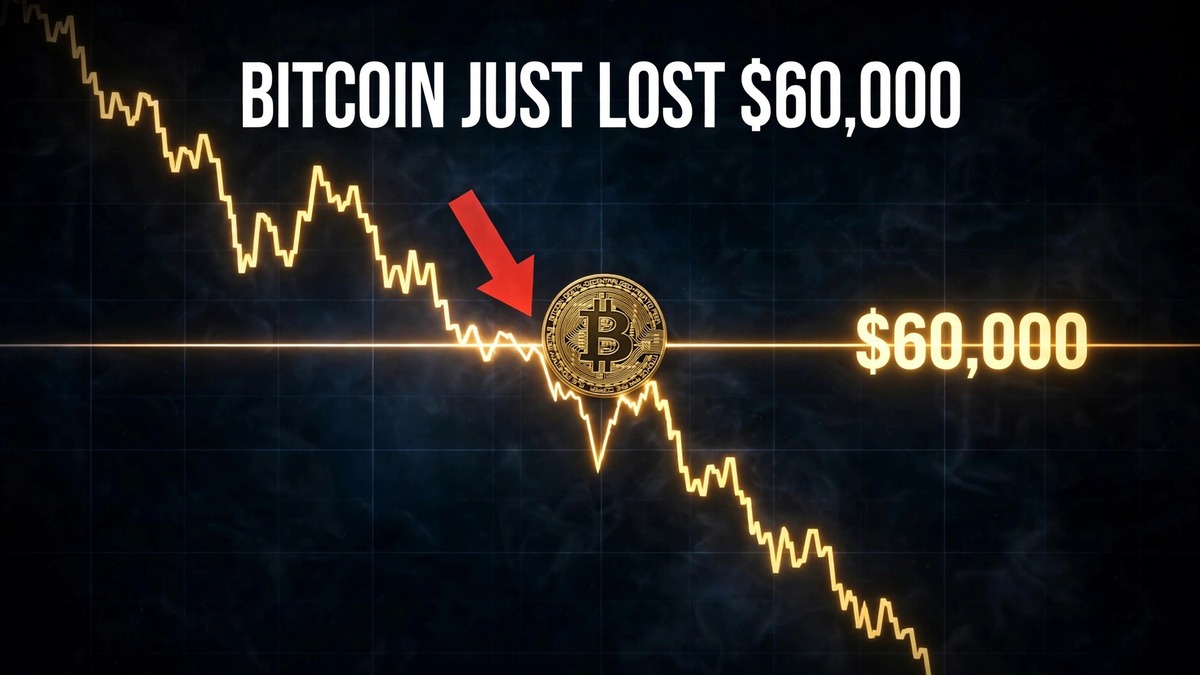 Bitcoin Just Lost $60,000 in Minutes — $200 Million in Longs Wiped Out as Wall Street Reopened
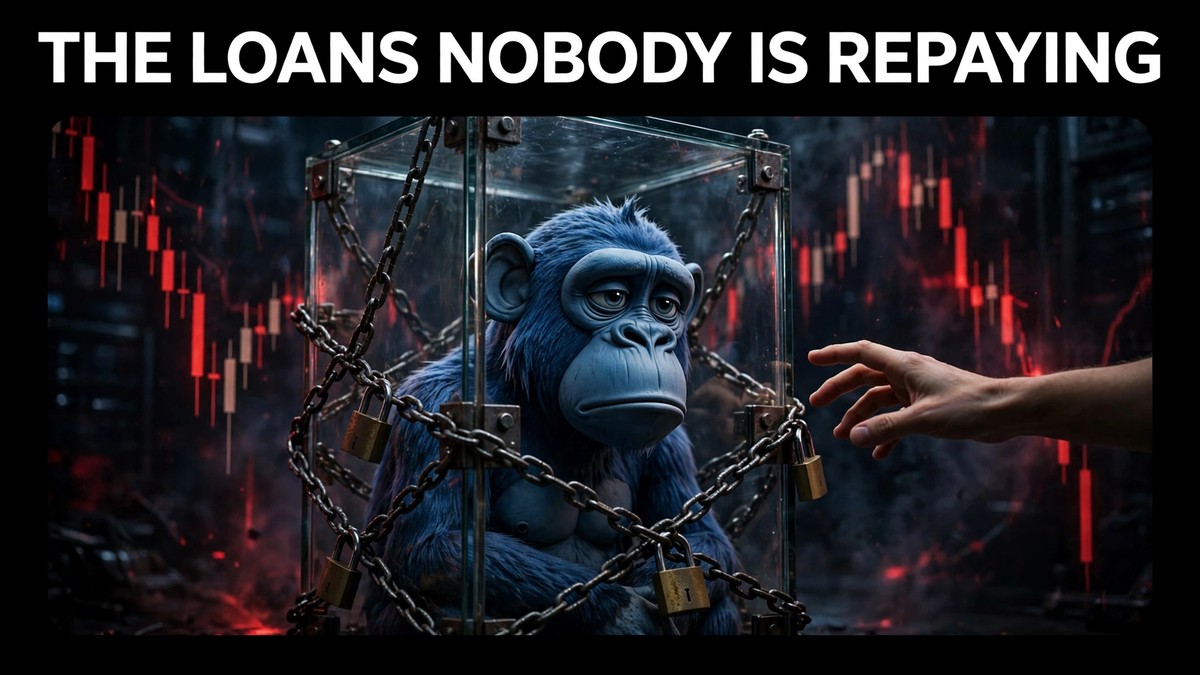
It sounded like free money. Put up your Bored Ape or your Azuki as collateral, borrow Ethereum against it, and keep your NFT while you spend the loan. If the price went up, you won twice. If the price went down — well, that was the part nobody wanted to think about.
Now the price has gone down, and NFT lending is living through the part nobody planned for. Floors have fallen across the market, collateral is worth less than the loans taken against it, and a growing pile of loans is sitting underwater — with borrowers who have no reason to repay them and lenders who have no easy way to get their money back.
💵 How NFT loans work — and why they break when floors fall
The idea is simple, and on paper it makes sense. Platforms like BendDAO let NFT holders lock up a blue-chip NFT and borrow ETH against it, usually up to a set percentage of the floor price. The NFT is the collateral. As long as its value stays above the loan, everyone is fine.
The trouble starts when the floor drops. If a borrower took out a loan when their NFT was worth a certain amount, and the floor has since fallen well below that, repaying the loan costs more than the NFT is worth. The rational move — the cold, financial move — is to walk away. Keep the borrowed ETH, let the lender keep the NFT, and never look back. The lender is left holding a JPEG that is worth less than the money they lent.
That is not a theory. It is the basic maths of every NFT lending platform in a bear market, and it is why these platforms have spent the last two years fighting the same problem: how do you lend against an asset that can lose half its value in a month, when the borrower can always just hand you the keys and walk away?

📉 Liquidations, underwater loans, and the lenders left holding the bag
When a loan goes underwater, the platform’s answer is liquidation: sell the NFT to recover the loan. But liquidations only work if someone wants to buy. In a thin, falling market, the auction can fail, the NFT can sit unsold, or it can sell for far less than the loan was worth. Some platforms have ended up holding the collateral themselves, becoming accidental NFT collectors with a pile of depreciating JPEGs and a hole in their balance sheet.
The knock-on effects run deeper. Lenders who supplied the ETH start pulling their money out, which means less liquidity for new loans, which means fewer borrowers, which means the whole market shrinks. Some platforms have had to tighten their loan-to-value ratios, shorten loan terms, or stop lending against all but the very safest collections. The market that once promised to unlock the value in every NFT is now lending against almost nothing.
And the borrowers who did repay? Many of them are the ones who borrowed small, against NFTs they actually wanted to keep. The ones who borrowed big, at the peak, against NFTs they bought as a trade — those are the loans most likely to be abandoned. The platforms are left sorting the honest borrowers from the strategic defaulters, and the maths is not in their favour.
⚠️ The quiet risk nobody talks about
There is a second risk that gets less attention: the loans that are not yet underwater, but are close. A borrower whose NFT is still worth slightly more than the loan has a choice to make every single day. One more leg down in the market, and walking away becomes the smart move. That means every dip in floor prices does not just hurt NFT holders — it pushes another batch of loans toward default, and another batch of lenders toward losses.
This is the same dynamic that wrecked crypto lending in 2022, just wearing different clothes. The platforms that survived learned to be careful. The ones that did not are gone. NFT lending is not dead — the idea of borrowing against a digital asset is too useful to disappear — but the easy version of it, the one where anyone could borrow big against any NFT, is finished.
🎯 What to watch next
Watch the blue-chip floors first. Every leg down in Bored Ape, Azuki or Pudgy Penguins pushes more loans underwater, and every leg up gives borrowers a reason to repay. Watch the lending platforms’ loan-to-value ratios second — if they keep tightening, it means the platforms themselves do not trust the floors.
And watch what happens to the collateral. If liquidated NFTs start selling again at healthy prices, the system is healing. If they sit unsold, the market is telling you something important: the loans nobody is repaying are only the start of the problem.
Borrowing against your NFT sounded like free money. In a crash, it turns out the money was never free — somebody always pays.
#CryptoBulletin #NFT #NFTLending #DeFi #BendDAO #CryptoNews #NFTCommunity #Ethereum #ETH #Web3 #Blockchain #NFTMarket #CryptoMarket #NFTCollector #CryptoLending