 BNB Chain Unveils a Brand-New Layer-1 Built for 200-Millisecond Blocks, Private Payments and AI Agents
 Standard Chartered’s Zodia Custody Breached — Client Data Exposed as Banks Race Into Crypto
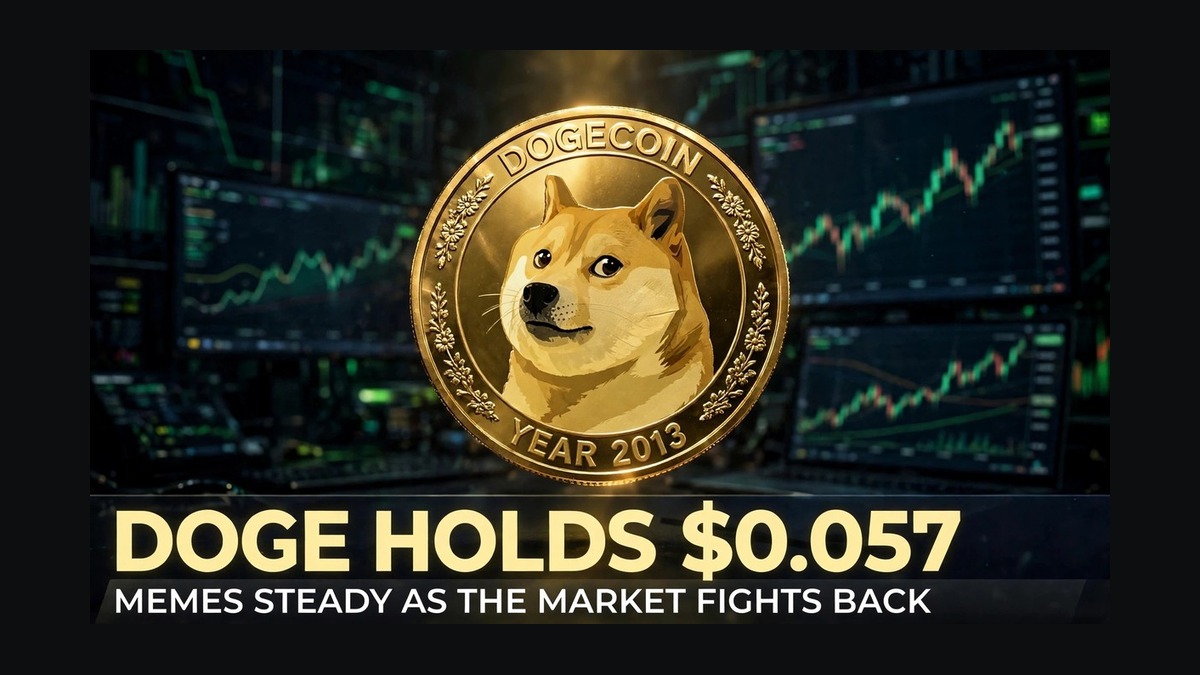 Dogecoin Price Today, Nov 26: DOGE Holds $0.057 as Memecoins Steady
 XRP Price Today, Nov 26: XRP Rebounds to $0.95 as the $1 Wall Comes Back Into View
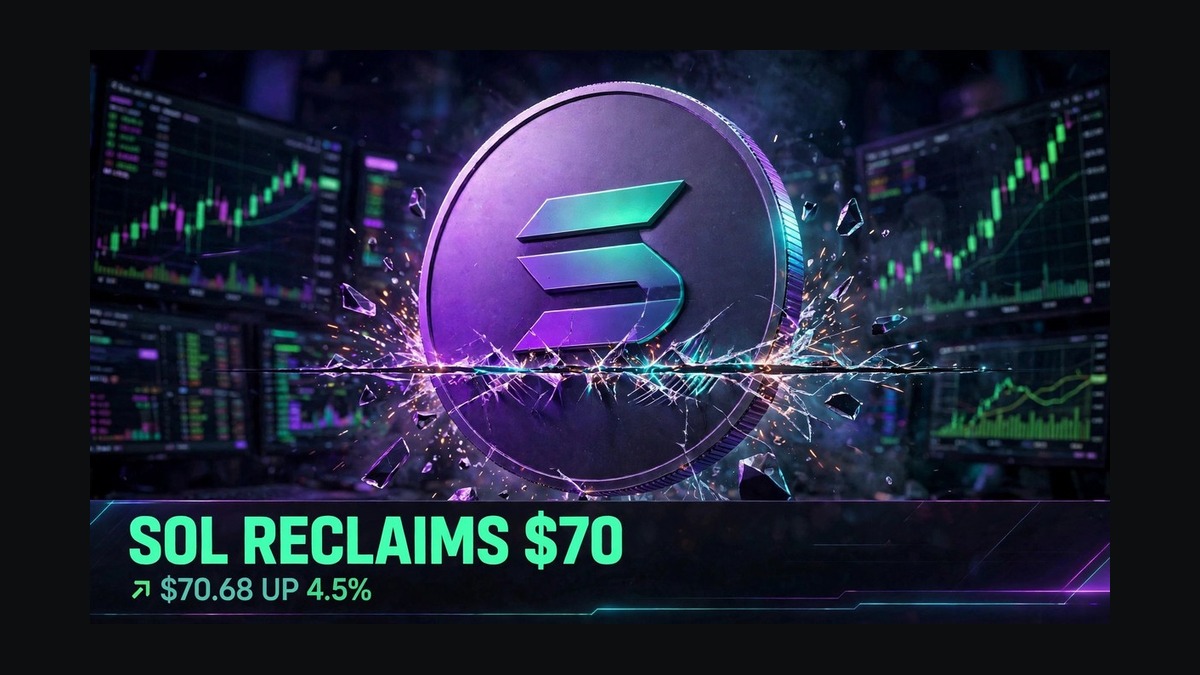 Solana Price Today, Nov 26: SOL Reclaims $70 at $70.68 as Buyers Step Back In
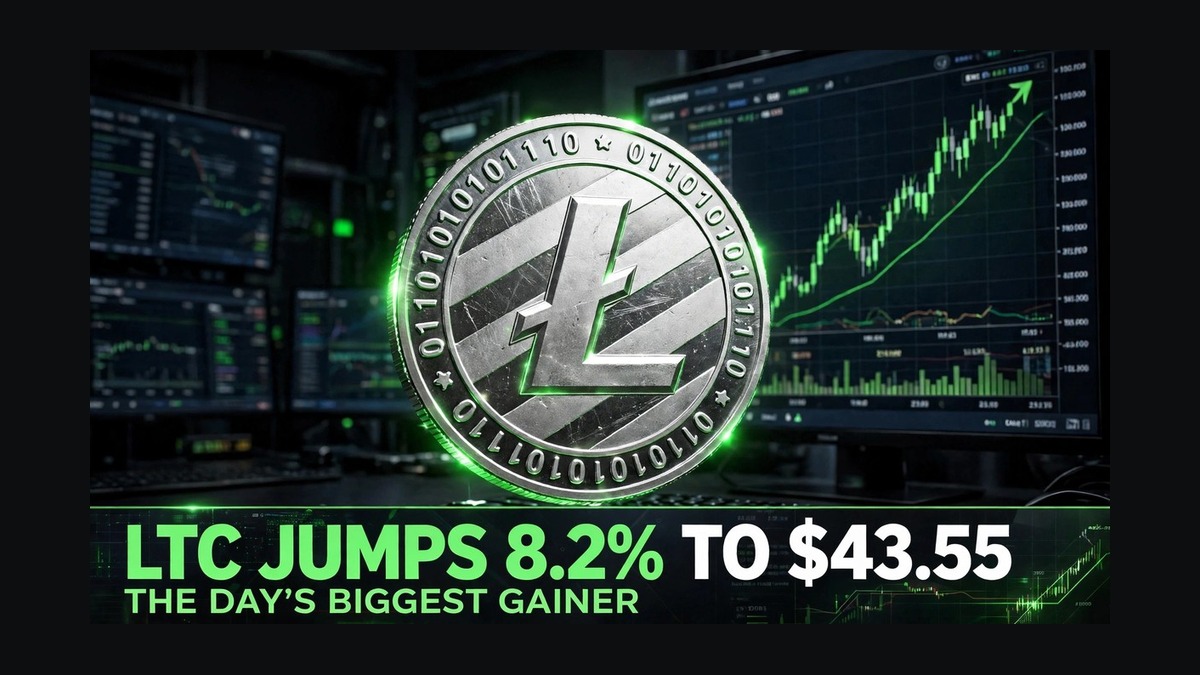 Litecoin Price Today, Nov 26: LTC Jumps 8.2% to $43.55 — The Day’s Biggest Gainer
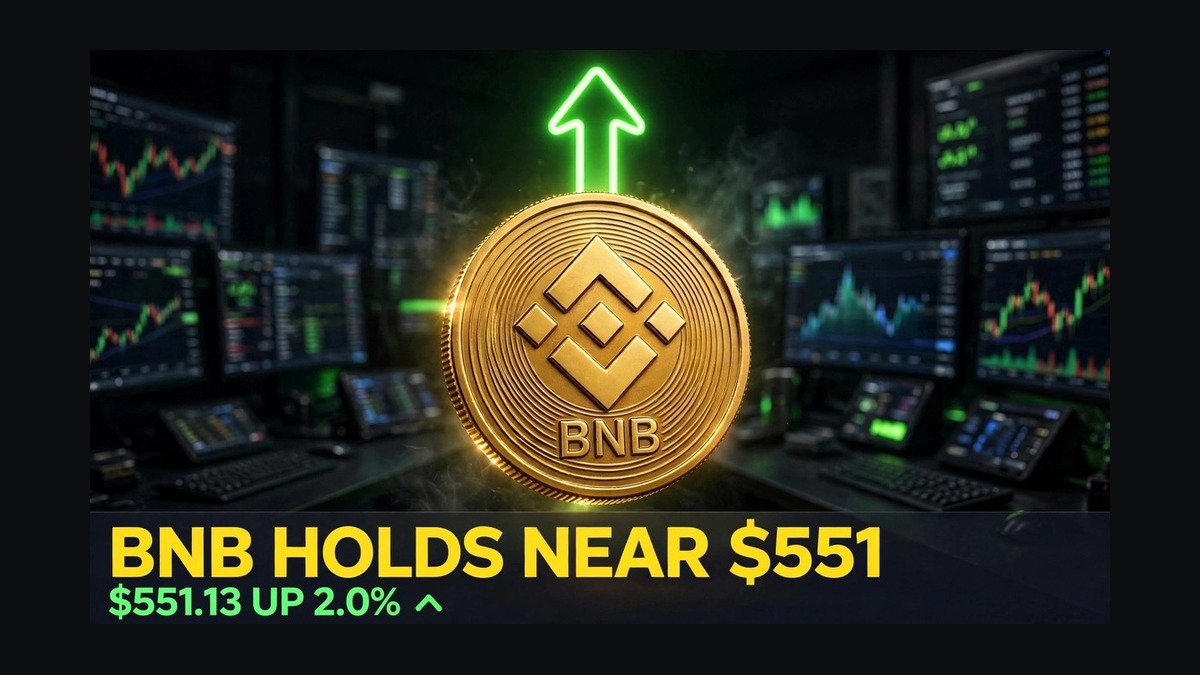 BNB Price Today, Nov 26: BNB Holds Near $551 as the Market Fights Back
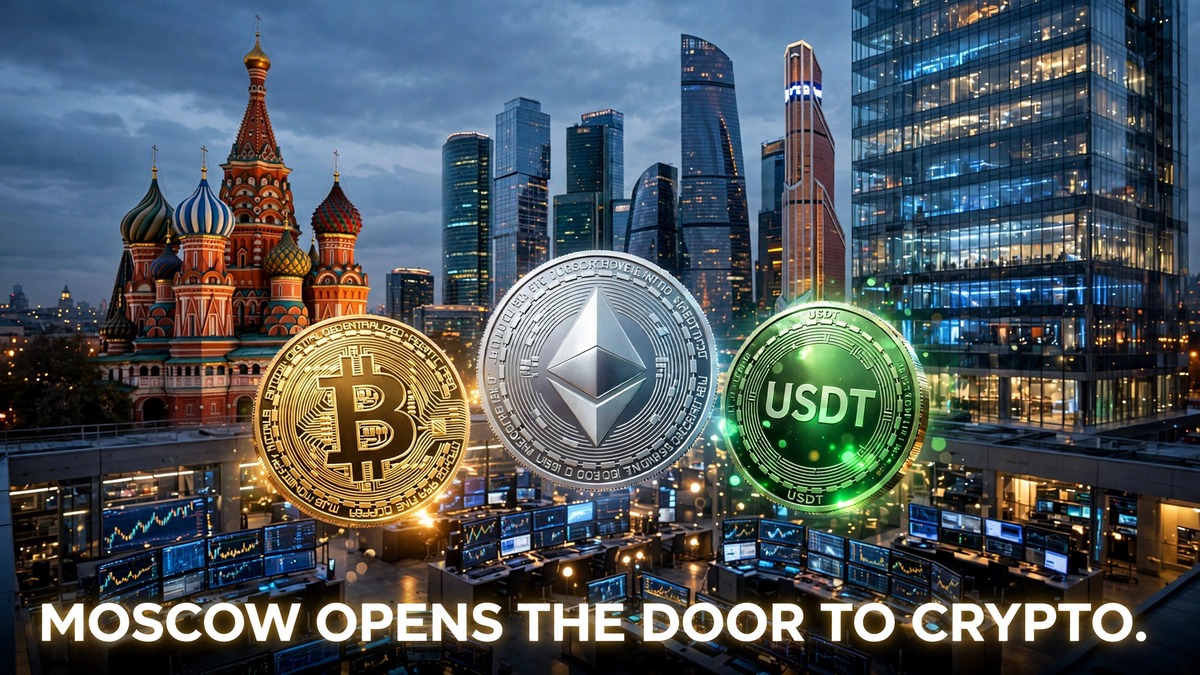 Moscow Exchange Will List Bitcoin, Ethereum and USDT From December 1
The NFT market is shrinking, and the oldest fight in the space is back. As trading volumes fall and the crash week drags on — Bitcoin down to a $57,300 intraday low on November 25, Fear & Greed at 13, Extreme Fear — creators and marketplaces are arguing about royalties all over again. Who gets paid when an NFT changes hands, how much, and who gets to decide.
It is a fight that never really ended. It just went quiet while the money was good. Now the money is not good, and everyone is counting every percentage point.
🖼️ The fight, in plain English
When an NFT sells on a marketplace, the creator traditionally gets a royalty — a small percentage of the sale price, paid automatically, every time the work changes hands. It was one of the great promises of NFTs: artists would finally get paid on resale, forever, instead of watching their work appreciate for someone else.
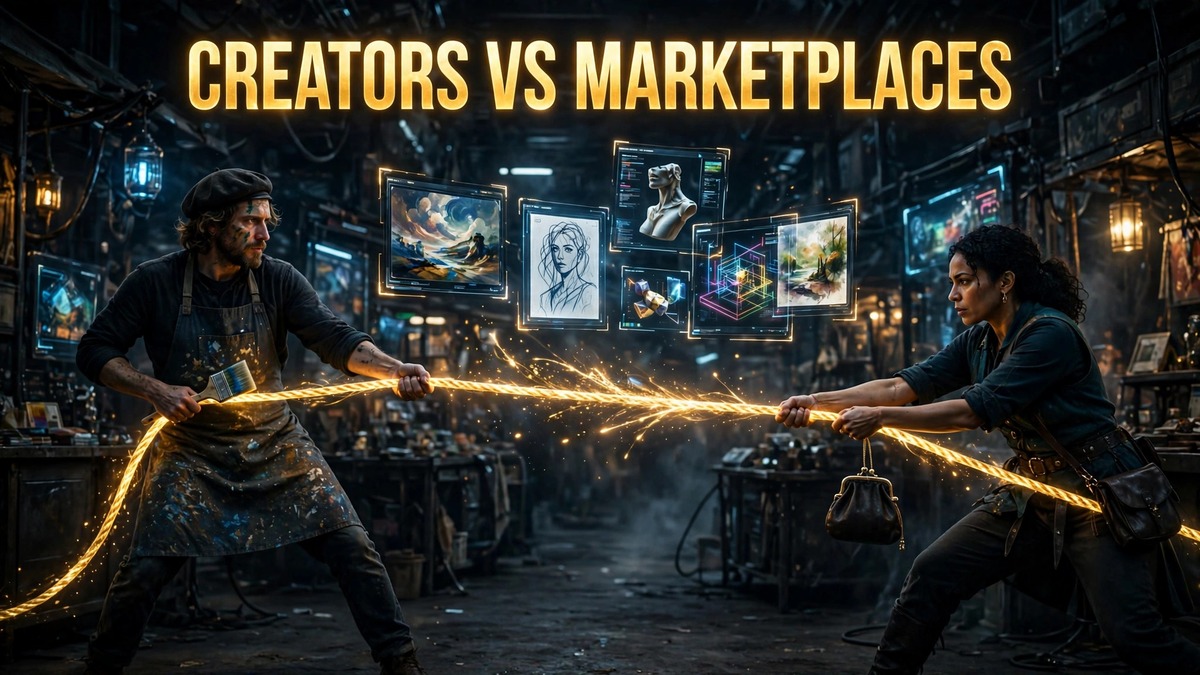
Then the marketplaces started competing, and royalties became the weapon. One platform made them optional to attract traders. Another followed. Suddenly the fee that was supposed to be automatic became a tip — and tips, in a bear market, have a way of shrinking to zero. Creators watched their income dry up. Traders enjoyed the discount. The marketplaces kept the volume.
Now, with volumes falling across the board, the argument has flared up again. Creators say enforced royalties are the only way the model works — without them, artists cannot afford to keep creating, and the whole space slowly starves. Marketplaces say traders will simply go where the fees are lowest, and enforcing royalties just pushes volume to whichever platform undercuts first.
📉 Why falling volumes make it worse
In a boom, nobody fights about a few percent — there is enough money for everyone. In a bust, every point matters. Creators who earned a living from royalties in the good times are now earning a fraction of it, and the optional-royalty model means they cannot even count on the fraction. Some are leaving the space. Some are launching collections on platforms that enforce royalties, accepting smaller audiences for reliable pay. Some are experimenting with new models entirely — editions, memberships, direct patronage.
The marketplaces are squeezed too. Lower volumes mean lower fee income, which means more pressure to win traders with lower costs — and royalties are the easiest cost to cut, because the person paying is the creator, not the customer. It is a race to the bottom that everybody can see and nobody can stop alone.
The irony is that both sides need each other. Marketplaces without creators have nothing to sell. Creators without marketplaces have nobody to sell to. The fight is not about whether royalties should exist — almost everyone agrees creators should get paid. It is about who enforces it, and who pays the price of enforcing it.
🎯 What this means for artists
For artists, the practical question is simple: where do you launch, and what do you charge? The answer now depends on what matters more — reach or reliability. The big marketplaces offer the biggest audience and the weakest royalty guarantees. The smaller, royalty-enforcing platforms offer the opposite. There is no right answer, only a trade-off, and every creator is making it right now.
The longer-term question is bigger. If the NFT space cannot solve how creators get paid on resale, it loses the one idea that made it different from every art market that came before. The technology made automatic royalties possible. The market made them optional. Whether they become automatic again will decide what kind of art world NFTs actually build.
Volumes will come back eventually — they always do. The question is what the market looks like when they do, and whether the artists are still there to meet them.
🎯 What to watch next
Watch the marketplaces first — any platform that moves to enforce royalties, or to drop them, will shift volume overnight. Watch the creators second: if big names start launching royalty-enforcing collections, the tide may be turning. And watch the volumes themselves — the debate burns hottest when money is tight, and it cools fast when the market recovers.
The royalties fight is back. It never really went away.
#CryptoBulletin #NFT #NFTs #NFTRoyalties #NFTCommunity #NFTArtists #CryptoNews #CryptoMarket #CryptoNewsToday #CryptoMarketToday #DigitalArt #NFTArt #Web3 #Blockchain #NFTCollection #NFTSales