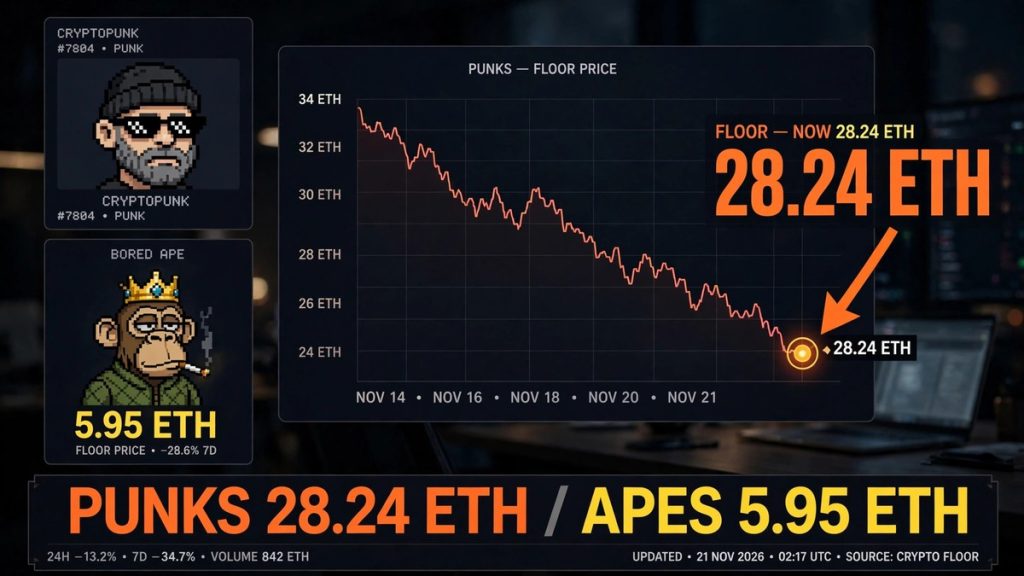
 CryptoPunks Floor Slips to 28.24 ETH as Bored Apes Fall to 5.95 ETH
 Blue-Chip NFTs Rise While Crypto Falls — Lil Pudgys and Azuki Lead as Azuki Cards Hit Stores
 MoneyGram Lets Solflare Users Cash Out Solana USDC in 170+ Markets
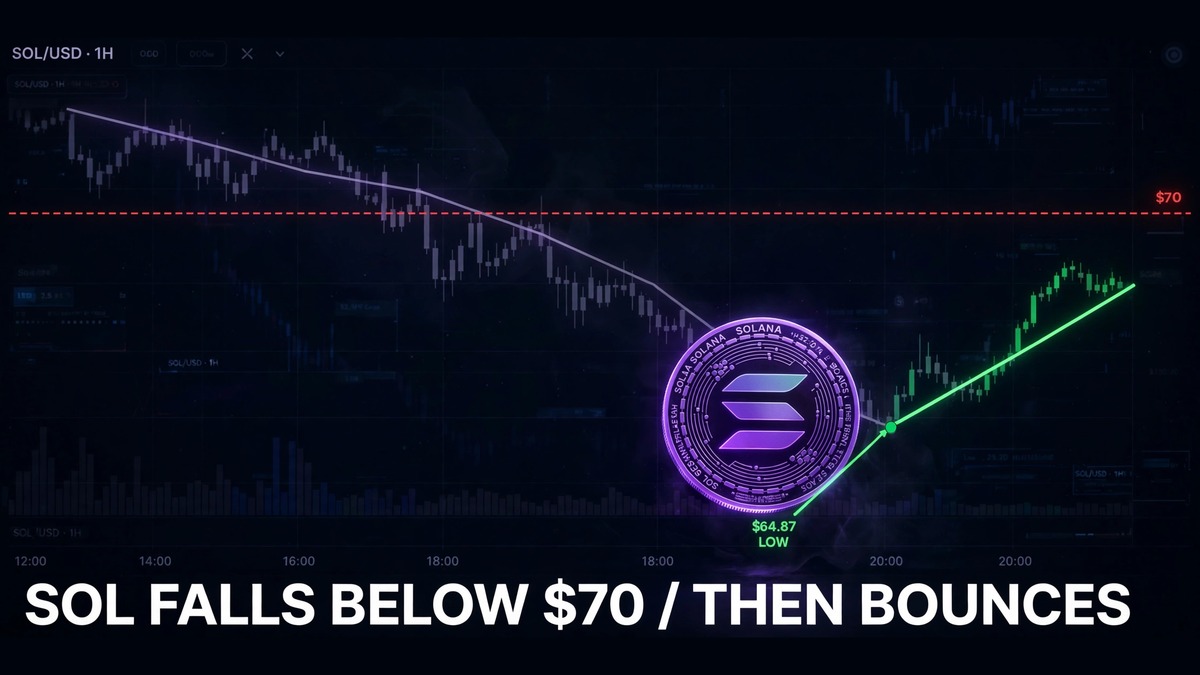 Solana Falls Below $70 After Mainnet 1.0 as Roundhill Drops Its Solana ETF Plan
 Ripple’s RLUSD Hits Record $2.7B as Binance Offers 600,000 XRP Airdrop to Holders
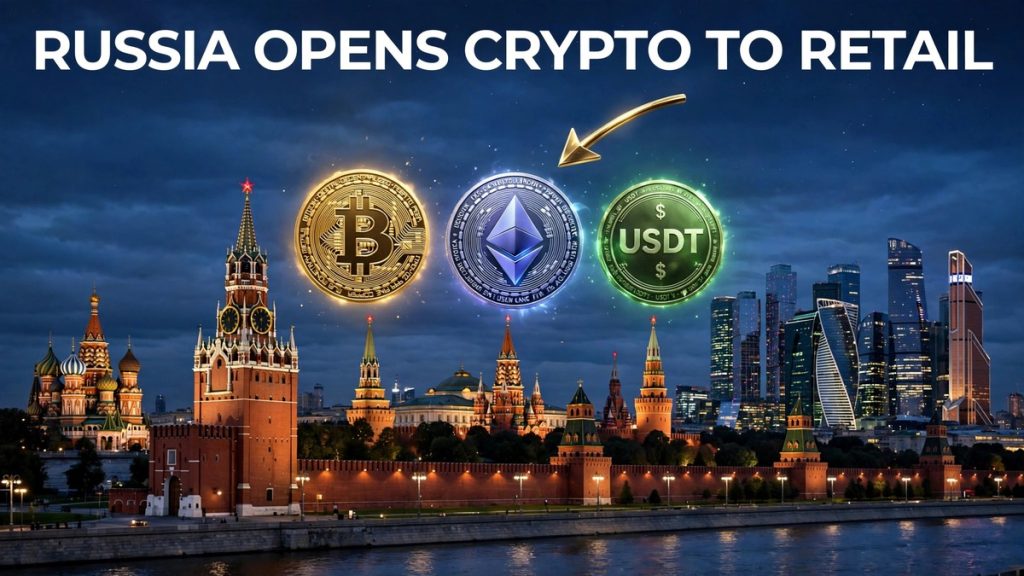
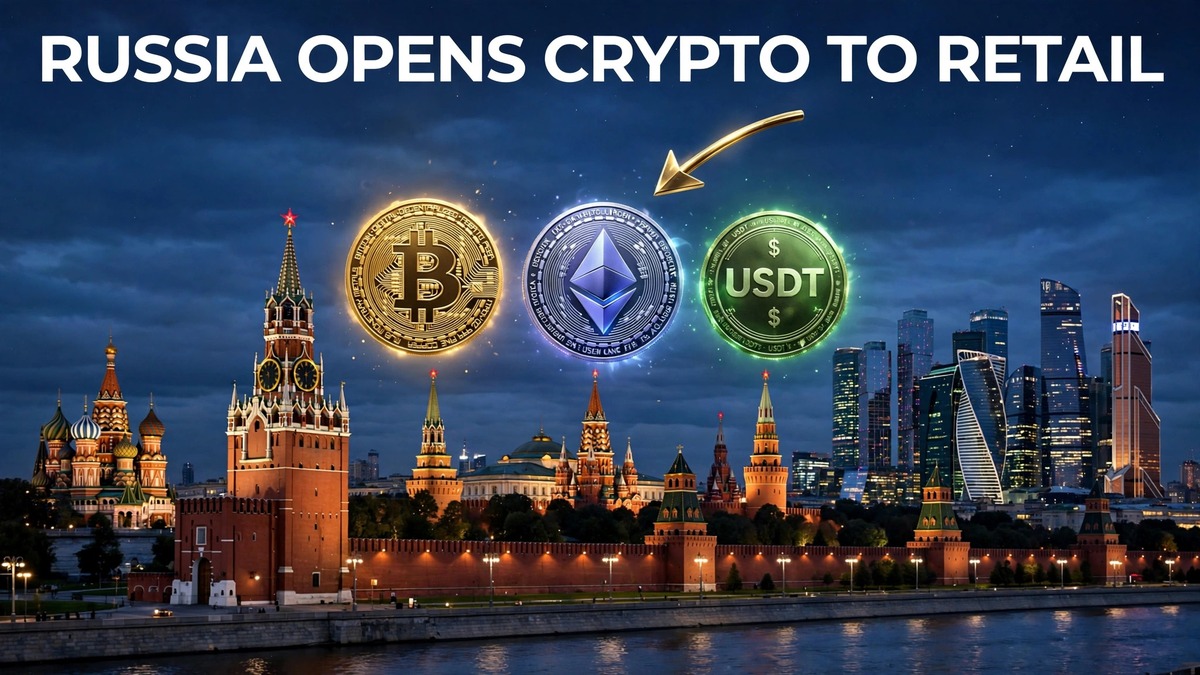 Russia Opens Bitcoin, Ethereum and USDT Trading to Retail Investors Under New Rules
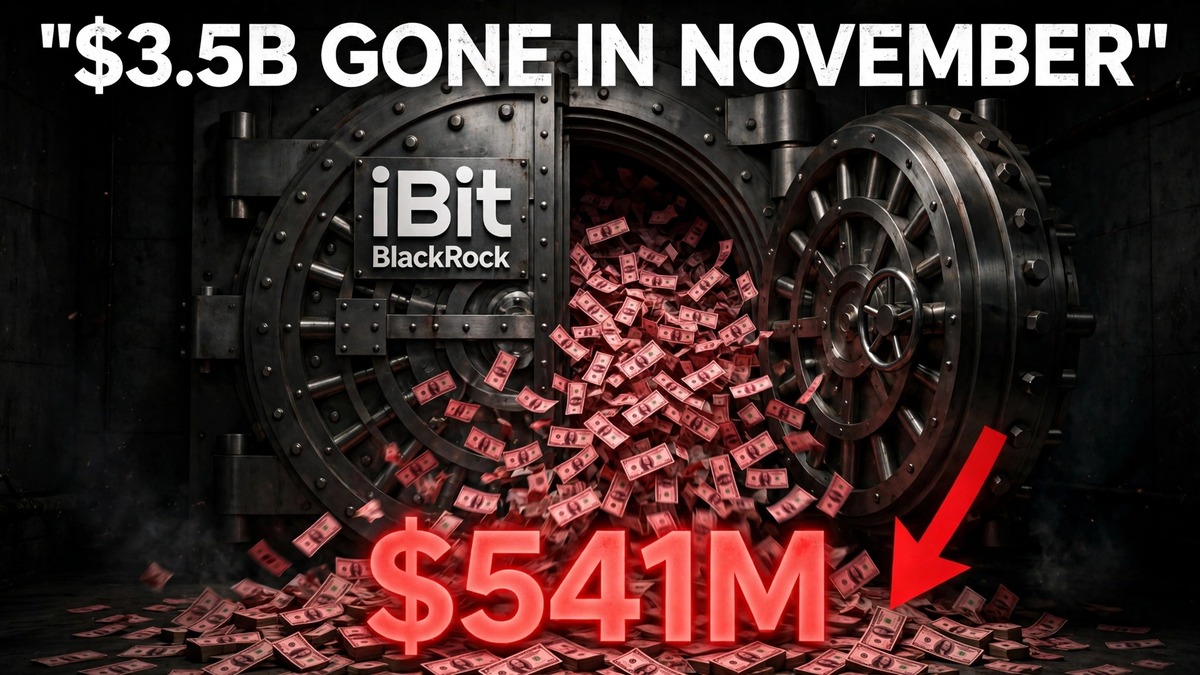 Bitcoin ETFs Lose Over $3.5B in November as BlackRock’s Record $541M Exit Leaves Q3 Buyers 19% Underwater
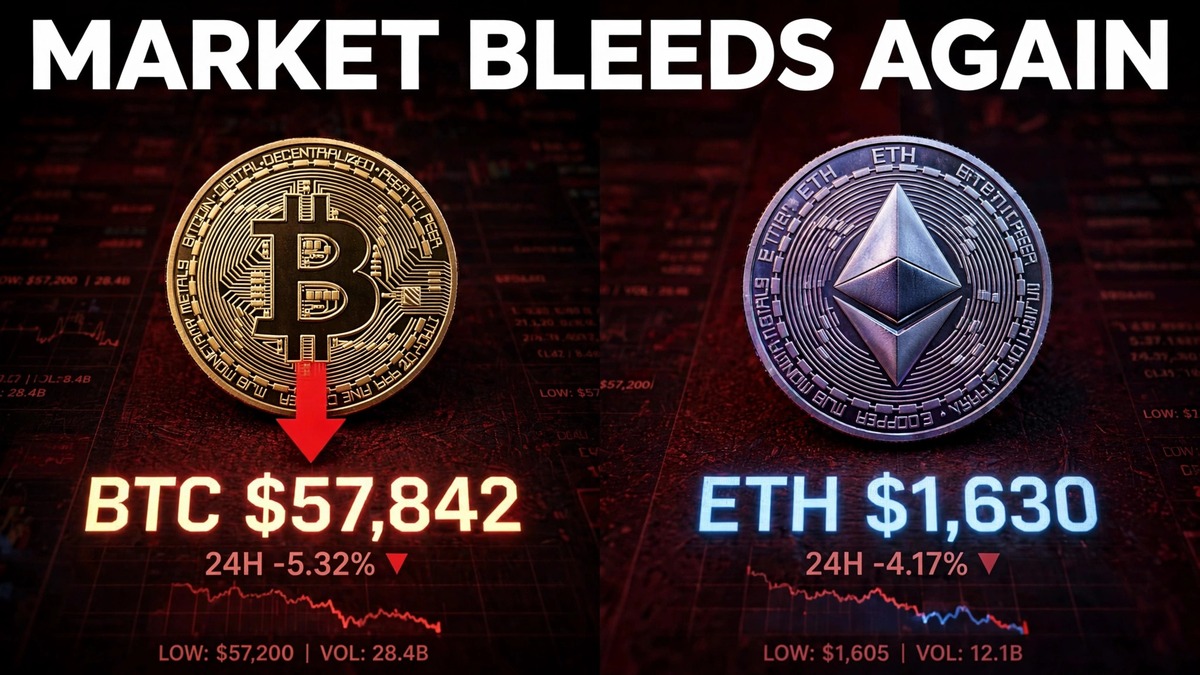 Crypto Market Today, Nov 22: Bitcoin Below $56,000, Ethereum Near $1,630 as Fear Stays Extreme
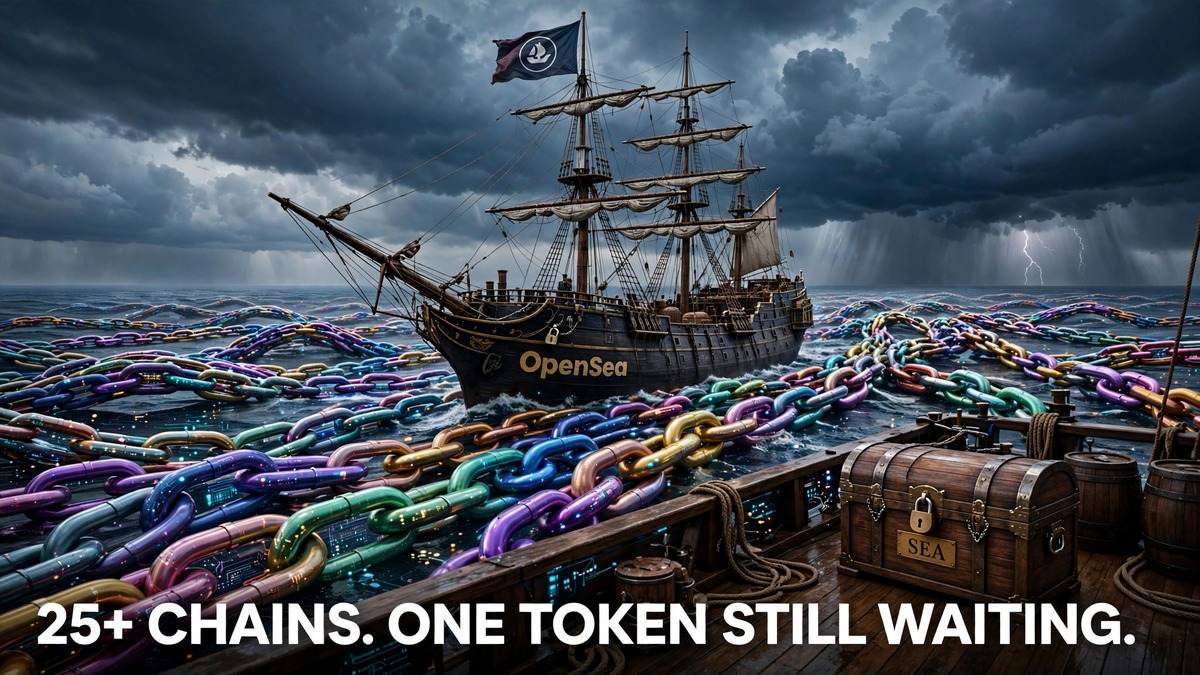
OpenSea was once the only NFT marketplace that mattered. Today it is fighting for relevance in a market down 97% from its peak — and its strategy is to be everywhere at once while its most anticipated launch stays on the shelf.
The marketplace has now expanded to more than 25 chains. It returned to Solana NFTs on August 31, 2026, bringing back collections like Mad Lads and Claynosaurz. It launched a mobile app in October 2026. And it charges a 1% fee, a fraction of what it once took. The message is clear: OpenSea wants to be the place you trade any NFT, on any chain, from your phone.
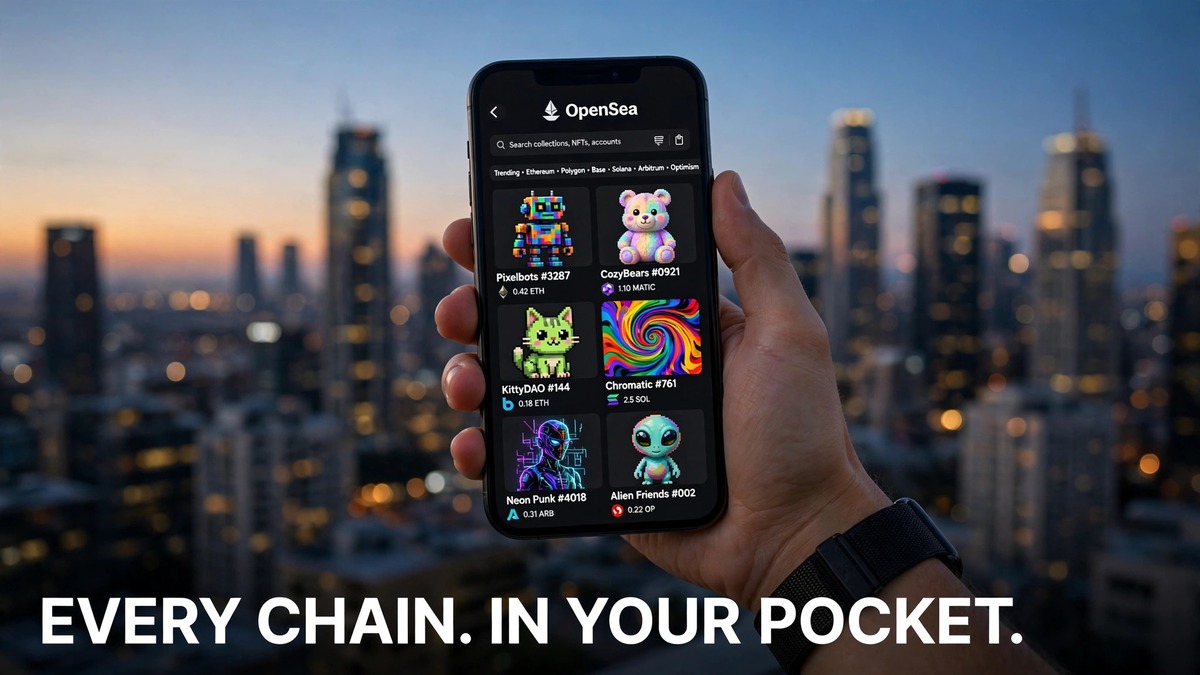
It is a sensible strategy. In a shrinking market, you cannot afford to be the Ethereum-only shop while the action moves to Polygon, Solana and everywhere else. Multi-chain is not a feature any more — it is survival. The mobile app is the same logic: if collectors are not sitting at their desks trading, you have to meet them where they are.
The fee question is part of the same calculation. At 1%, OpenSea is now competing on price as well as breadth, a long way from the 2.5% it charged when it had the market to itself. Lower fees are good for traders, but they also mean OpenSea needs far more volume to earn what it once did — and volume is exactly what this market no longer has. That is the squeeze every marketplace is caught in: cut fees to keep users, and you starve; keep fees high, and you lose them. OpenSea’s answer is to make the money up elsewhere — across more chains, more users, and eventually the SEA token. It is a coherent plan. Whether the market gives it time to work is another question entirely.
But there is a conspicuous absence at the centre of all this activity: the SEA token. Announced with fanfare, delayed from March, and still unlaunched. CEO Devin Finzer has been blunt about why — the token launches only once, and conditions are not optimal. In plain English: OpenSea does not want to launch its token into a market where it would immediately bleed out. That is a defensible call, and a revealing one. If the biggest marketplace in NFTs thinks conditions are too bad for its own token, that tells you plenty about conditions.
There is good news in the rear-view mirror, though. The SEC closed its investigation into OpenSea on February 21 without taking action — a genuine regulatory win in a year when the industry has collected a few of them. OpenSea is not fighting the regulator any more. It is fighting the market.
And the market is a hard fight. Competitors have eaten into its share, Blur took the high-end traders, and the total pie has shrunk to a sliver of its old self. Being on 25 chains helps, but 25 chains times a tiny market is still a tiny market. OpenSea’s bet is that when the market comes back, the marketplace that is everywhere will win — and that the SEA token, launched at the right moment, will be the reward for waiting.
The competitive picture makes patience harder. Blur took the professional traders with lower fees and token incentives, and a swarm of chain-specific marketplaces now serve collectors where they actually live. OpenSea’s answer — be everywhere, charge 1%, build the app — is really a bet that breadth beats specialisation in a small market. It might work. A collector who trades on five chains does not want five marketplaces, five wallets and five fee structures. But breadth has a cost: every chain you support is engineering, support and liquidity you have to maintain, and in a market this small, that cost is real. The SEA token, whenever it finally launches, is supposed to tie all of that together — rewarding the users who stayed. Until then, OpenSea is asking for loyalty on credit.
It is a patient strategy in an impatient industry. Whether patience pays depends on one thing OpenSea cannot control: whether anyone comes back to NFTs at all.
#CryptoBulletin #OpenSea #NFT #SEA #CryptoNewsToday #Web3 #Blockchain #Solana #NFTMarketplace #NFTMarket #DevinFinzer #NFTCommunity #CryptoMarket #LatestCryptoNews #NFTs #MadLads #MultiChain