 NFT Lending and Fractionalization: Borrow Against Your Punk or Own a Slice of One — The New Way to Use NFTs Without Selling
 CryptoPunks Floor Holds Near 28 ETH as Blue-Chip NFTs Refuse to Blink — Fresh Floor Price and 7-Day Move
 SKY Slides 5.41% as the Maker Rebrand Token Sinks Deeper — A Full Lending Pool and a 40% Monthly Fall
 Zcash Plunges 12% in a Week as Privacy Coins Cool Off — From a $1,653 High to Under $800
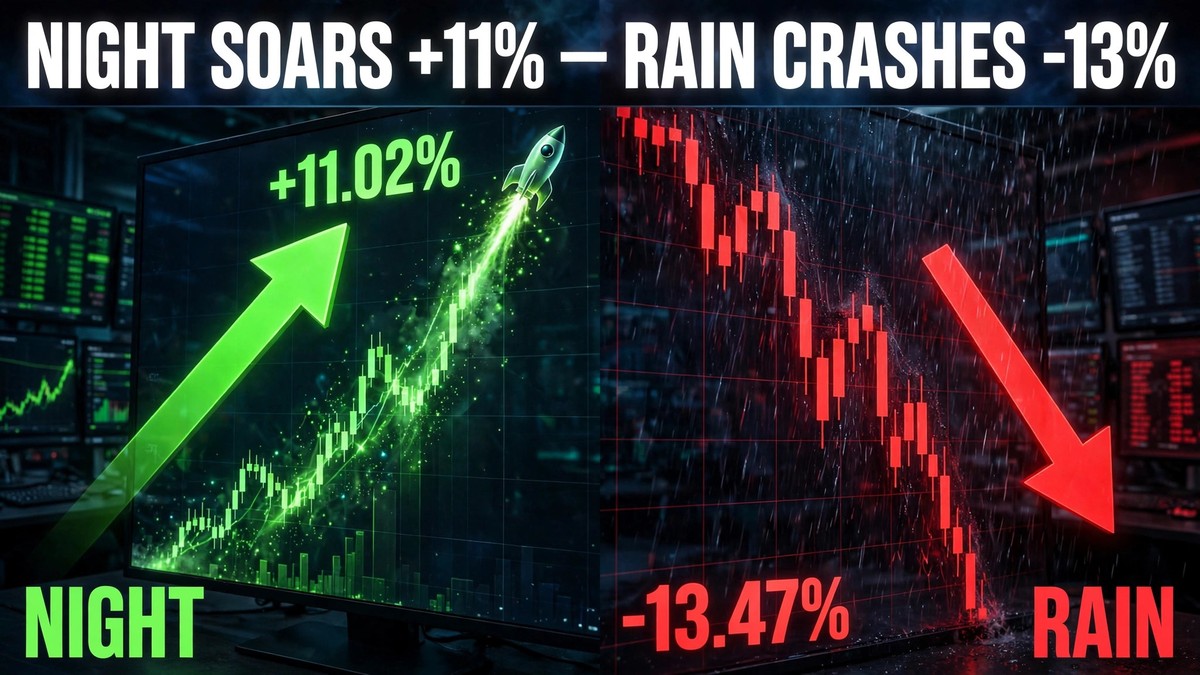 Biggest Movers Today, Nov 23: NIGHT Jumps 11.2% While RAIN Crashes 13.3% — The Market Splits in Two
 One Tap on an Ad Could Empty Your iPhone Crypto Wallet — The MoldyRoost Warning Every Holder Must Read
 Bitcoin Dominance Near 56.5%: Altseason Is Still on Hold While the Money Hides in BTC
 Ethereum at $1,720: ETF Money Keeps Walking Out While Staking Hits a Record — ETH Is Being Pulled Apart
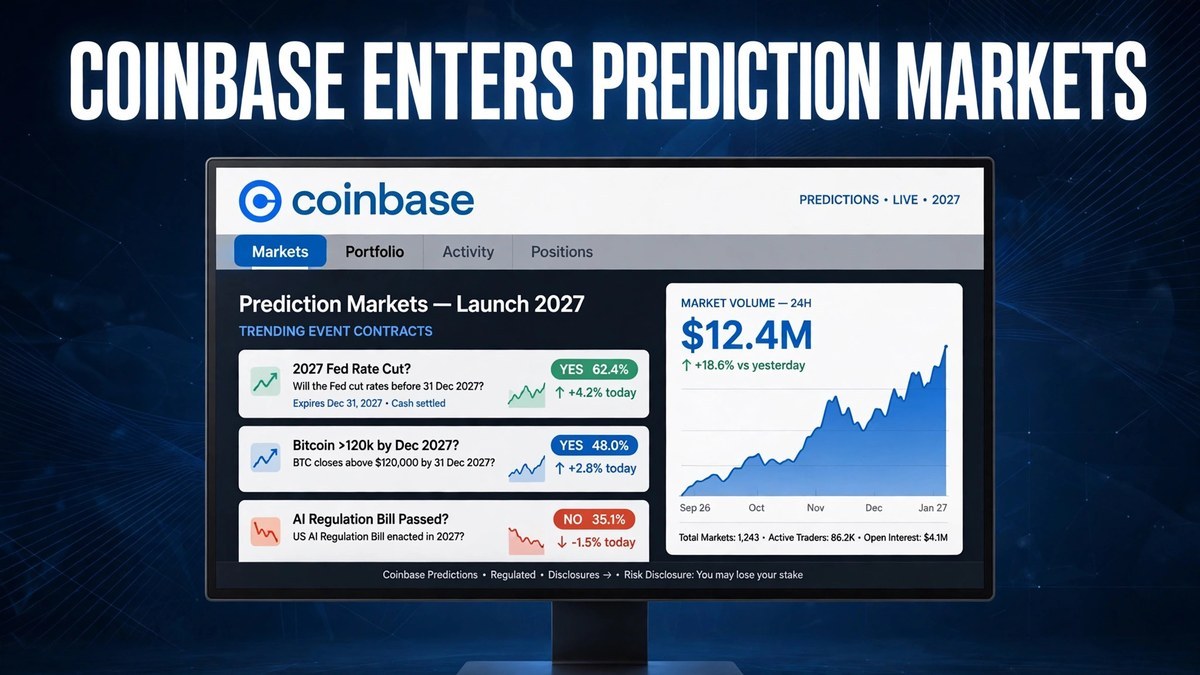
Coinbase wants in on the biggest new game in crypto trading, and it no longer wants to share the table. The largest US exchange is planning to launch its own prediction market contracts in the first half of 2027, moving beyond its current partnership with Kalshi and keeping a bigger slice of one of the fastest-growing markets in finance.
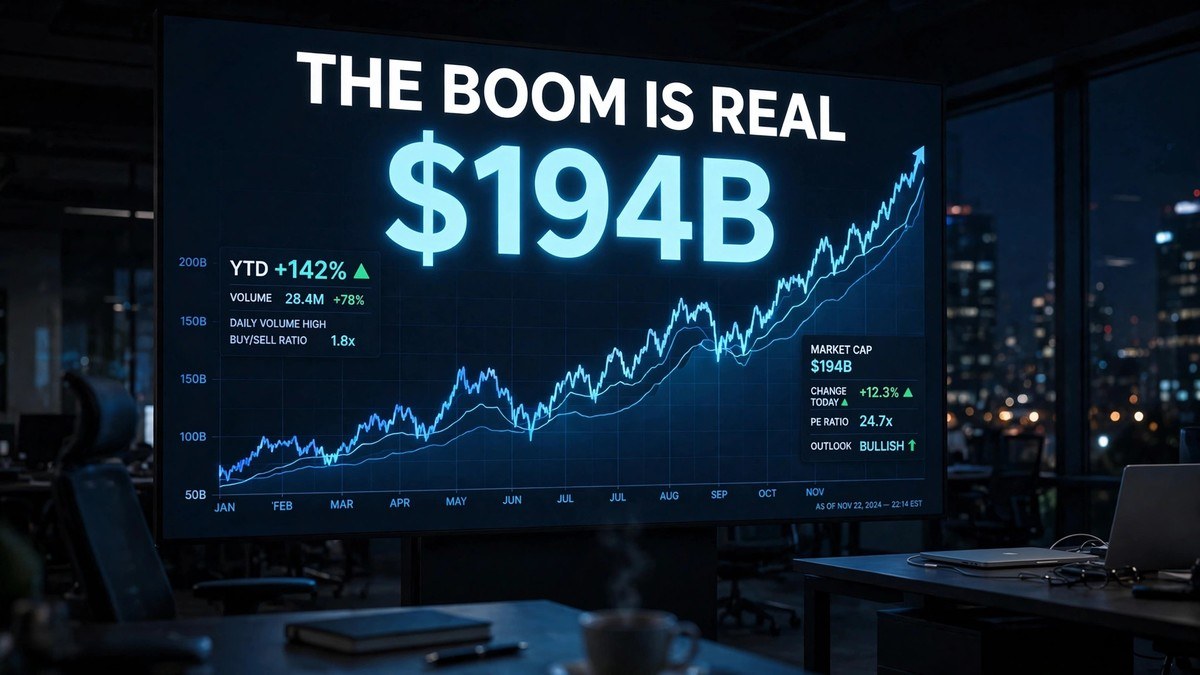
Prediction markets let people bet on the outcome of real events — elections, sports, economic data, even the weather. Trading volume across the sector has exploded to a record $194.1 billion, and Coinbase has decided it wants to own the product itself rather than renting someone else’s.
🏦 Why Coinbase is going solo
Until now, Coinbase has offered prediction markets through Kalshi, the regulated US exchange that built the category. That partnership got Coinbase into the game fast, but it also meant sharing the fees and the control. Building its own event contracts changes that. Coinbase would design the products, set the rules, and keep the revenue — the same playbook it has used for everything from custody to its own blockchain, Base.
The timing is no accident. Prediction markets have gone from a crypto curiosity to a mainstream product in barely two years, and every major exchange wants a piece. Kalshi and Polymarket have proven the demand is real. Coinbase has the users, the licences and the brand to take a serious run at the top of the table, and it clearly intends to.

📈 A $194 billion market that came out of nowhere
The numbers explain the rush. Prediction market volume has hit a record $194.1 billion, driven by election betting, sports and a flood of new users who treat event contracts like any other trade. What started as a niche product for crypto natives is now competing with sportsbooks and stock exchanges for the same attention.
Coinbase’s entry would put prediction markets in front of tens of millions of existing users who already have an account, a balance and a habit of opening the app. That distribution is the one thing Kalshi and Polymarket cannot match, and it is why the incumbents should be nervous. When Coinbase puts a product on its home screen, people use it.
⚠️ The fight is about more than fees
There is a bigger question hanging over all of this: who regulates a bet on the future? Prediction markets sit in an awkward gap between financial regulators and gambling regulators, and the rules are still being written. Coinbase is betting that its experience navigating US regulation gives it an edge — it has spent years building relationships with regulators that its rivals are only starting now.
The risk is that the rules change mid-game. A crackdown in any major market could slow the whole sector down, and Coinbase would have more to lose than a startup. But the exchange has made this calculation before, with custody, staking and its own blockchain, and each time it decided the opportunity was worth the regulatory headache.
🎯 What this means for traders
For ordinary users, the practical effect is simple: prediction markets are about to get much easier to reach. Instead of signing up for a separate platform, millions of Coinbase users will be able to bet on an election or a football match from the same app where they buy Bitcoin. That convenience is exactly how a niche product becomes a mainstream one.
The launch is still months away, and Coinbase has not published a full product list yet. But the direction is clear. The exchange that spent a decade making crypto easy to buy now wants to make betting on the future just as easy — and it wants the whole business for itself.
#CryptoBulletin #Coinbase #PredictionMarkets #Kalshi #CryptoNews #CryptoMarket #CryptoExchange #Blockchain #Web3 #CryptoNewsToday #CryptoMarketToday #CryptoTrading #Bitcoin #Ethereum #Fintech #CryptoAdoption