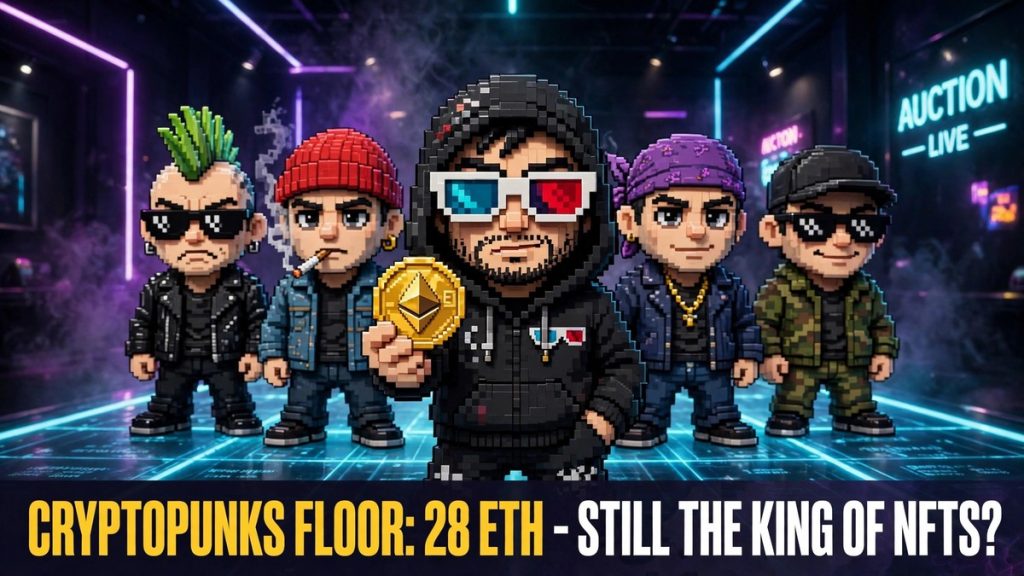
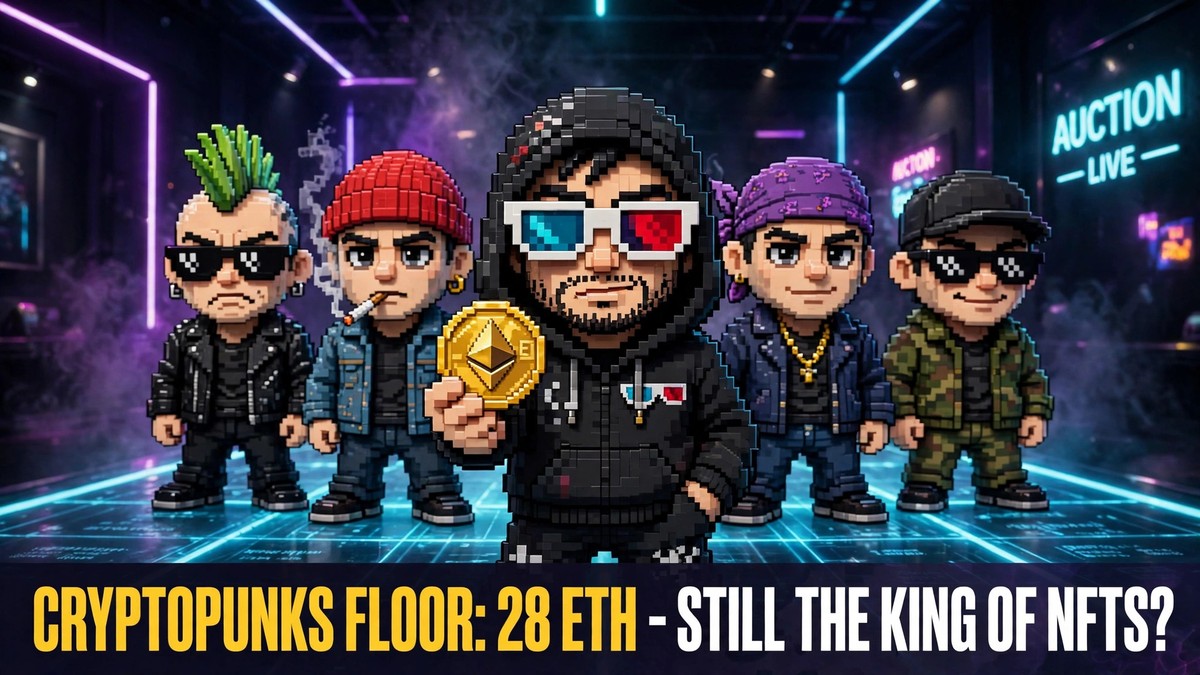
 CryptoPunks Floor Holds Near 28 ETH as Blue-Chip NFTs Refuse to Blink — Fresh Floor Price and 7-Day Move
 SKY Slides 5.41% as the Maker Rebrand Token Sinks Deeper — A Full Lending Pool and a 40% Monthly Fall
 Zcash Plunges 12% in a Week as Privacy Coins Cool Off — From a $1,653 High to Under $800
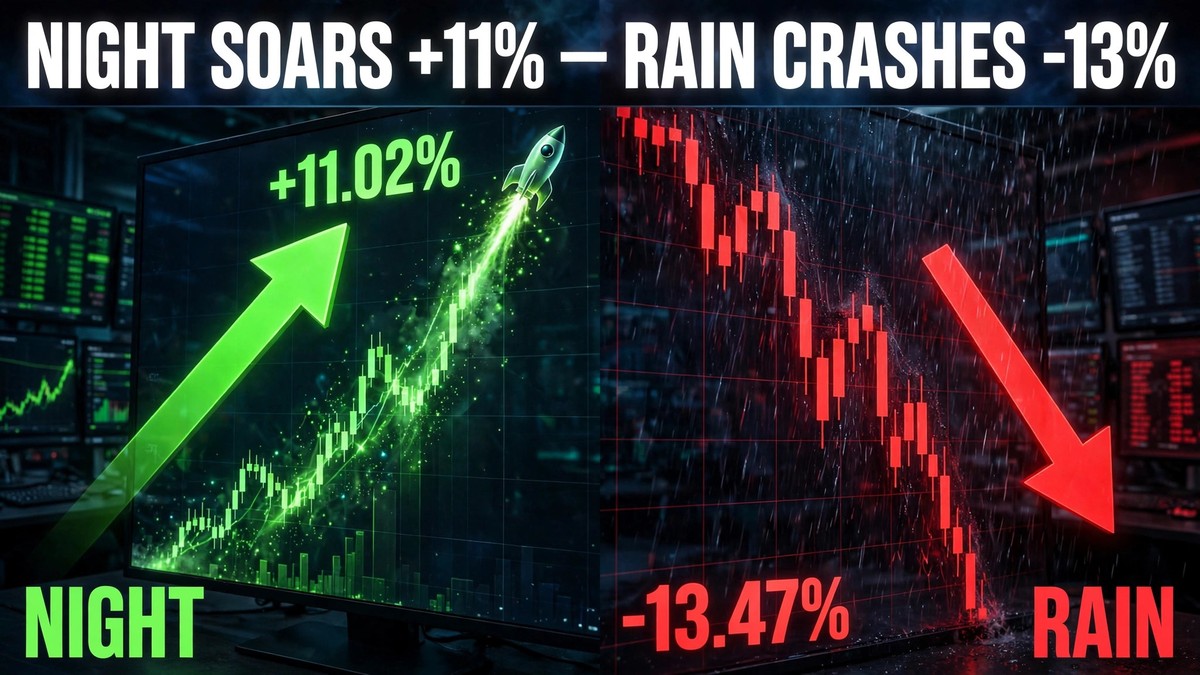 Biggest Movers Today, Nov 23: NIGHT Jumps 11.2% While RAIN Crashes 13.3% — The Market Splits in Two
 One Tap on an Ad Could Empty Your iPhone Crypto Wallet — The MoldyRoost Warning Every Holder Must Read
 Bitcoin Dominance Near 56.5%: Altseason Is Still on Hold While the Money Hides in BTC
 Ethereum at $1,720: ETF Money Keeps Walking Out While Staking Hits a Record — ETH Is Being Pulled Apart
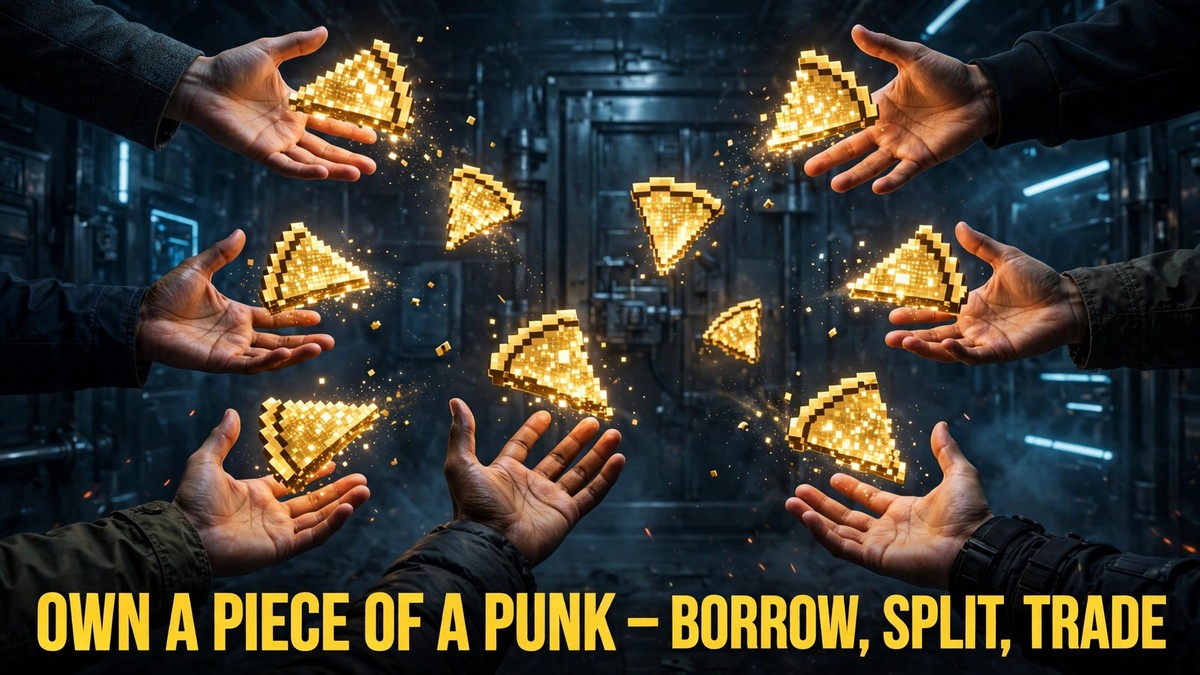
Here is the problem every NFT holder knows: your Punk might be worth 28 ETH, but you cannot spend a Punk. Sell it and you lose it. Hold it and your money is locked inside a picture. That is why two ideas — lending against NFTs and splitting them into fractions — have become the most important plumbing in the NFT market in 2026, and why the platforms doing it are changing fast.
The idea is simple. In lending, you lock your NFT in a smart contract and borrow stablecoins or ether against it; repay, and you get it back. In fractionalization, the NFT is locked in a vault and split into many small fungible tokens, so a hundred people can each own a slice of one expensive piece. Both turn a picture you cannot spend into money you can use — without selling.
💵 Gondi leads a market that keeps shrinking — and consolidating
The clearest winner right now is Gondi. The peer-to-peer Ethereum lending protocol, where borrowers take WETH, USDC or HYPE against their NFTs with no price oracles and no forced liquidations during the loan term, held about 54.2% of all outstanding NFT loan volume by mid-2025, according to DappRadar — up from about 1% when it launched in September 2023. CryptoPunks make up a large share of its activity, alongside high-end art like Fidenzas, Chromie Squiggles and Autoglyphs.
But the market around it is getting smaller and stranger. Blend, the perpetual-loan protocol built by the Blur marketplace that once was the whole NFT lending market, is winding down: public reports say Blur’s website shut on November 12, 2026 and Blend stopped matching new NFT loans the same day, with only existing on-chain positions continuing. NFTfi, another early peer-to-peer lender, stopped new loans on June 11, 2026 and ceased operations on August 31, 2026. The total value locked across the Ethereum NFT lending apps that still report it is now only about $4.33 million, with Gondi holding roughly 69% of that. This is no longer a gold rush. It is a consolidation.

📈 How fractionalization actually works — and where it went wrong
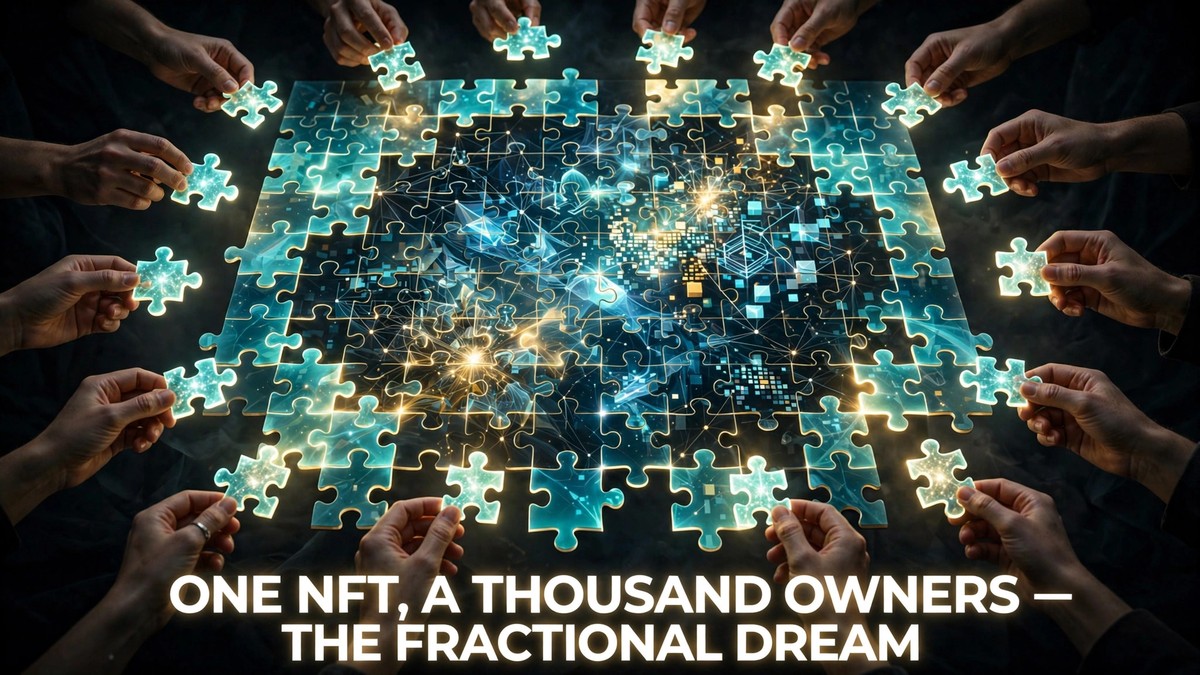
Fractionalization works in four steps. The NFT is locked in a smart-contract vault. The vault mints fungible share tokens, usually ERC-20, each standing for a slice of the original. Those shares trade on decentralised exchanges like any token. And if someone wants the whole NFT back, a buyout auction lets them bid for it, with shareholders claiming their share of the price.
The early pioneers mostly did not survive. Fractional.art, renamed Tessera, announced its wind-down in May 2023. Unicly’s domain is parked and for sale. NFTfy’s website is offline. The model that did survive is NFTX, which runs collection pools where users deposit eligible NFTs and receive fungible vTokens — its version 4 now runs on Uniswap V4.
And the risks are not theoretical. Around June 8, 2026, the Flooring Protocol was exploited, and Yuga Labs recovered 68 NFTs worth over $500,000. Back in March 2026, a bug in Gondi’s optional “Sell & Repay” feature let a hacker take about $230,000 worth of NFTs; Gondi disabled the feature, said its core lending contracts were unaffected, and bought replacement NFTs for affected users. The vault is the highest-risk code in the whole stack: it holds the underlying asset, and a bug in minting or redemption can drain every depositor at once.
⚠️ The new frontier is real-world assets, not just art
The most interesting shift in 2026 is where fractionalization is heading next. The model is moving away from pure digital art toward shares of real assets — bonds, funds, gold, property and art. Tokens backed by real assets, not counting stablecoins, reached $38.55 billion on October 1, 2026, according to RWA.xyz.
Even domain names are being split now: Doma’s mainnet, live since November 25, 2025, lets owners split premium domains into tradable ERC-20 tokens, with a minimum buyout price to protect them. And on the lending side, Arcade on Ethereum and Base, BendDAO’s peer-to-pool model and Citrus on Solana are still operating, alongside buy-now-pay-later options that let buyers purchase an NFT with part of the price upfront and finance the rest.
There is a legal shadow over all of it, too. In the US, the sale of fractions can raise securities-law questions, and a fraction trades only if someone provides liquidity for it — a share nobody will buy is just a receipt. Anyone using these platforms needs to check the vault rules, the reserve auction settings, who controls the contracts and how they get out, before putting money in.
🎯 What to watch next
Watch Gondi: with Blend and NFTfi gone, it is now the market, and its health is the sector’s health. Watch whether the real-asset wave pulls fractionalization out of the NFT niche and into mainstream finance. And remember the golden rule of all of this — if you cannot repay a loan, you lose the NFT, and if a vault gets exploited, the shares can go to zero. Borrow carefully, and only against assets you can afford to lose.
The dream behind all of this never changed: a $48,000 Punk that a hundred people can own together, and a holder who can borrow against it without selling it. The platforms delivering that dream keep changing. The dream itself is still alive.
#CryptoBulletin #NFT #NFTLending #Fractionalization #Gondi #DeFi #NFTMarket #CryptoNews #CryptoNewsToday #Ethereum #ETH #CryptoPunks #Web3 #Blockchain #DigitalArt #NFTCommunity