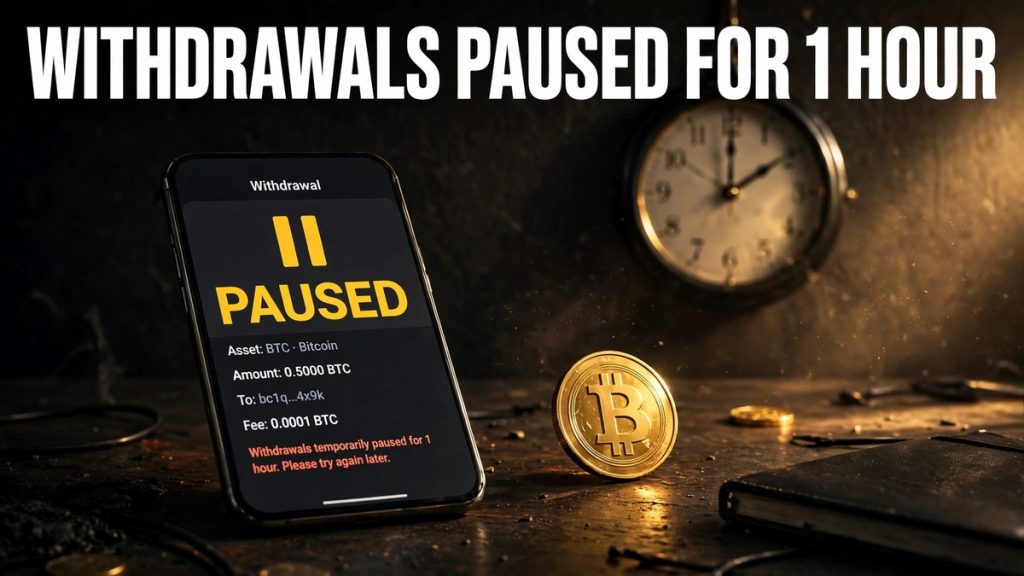
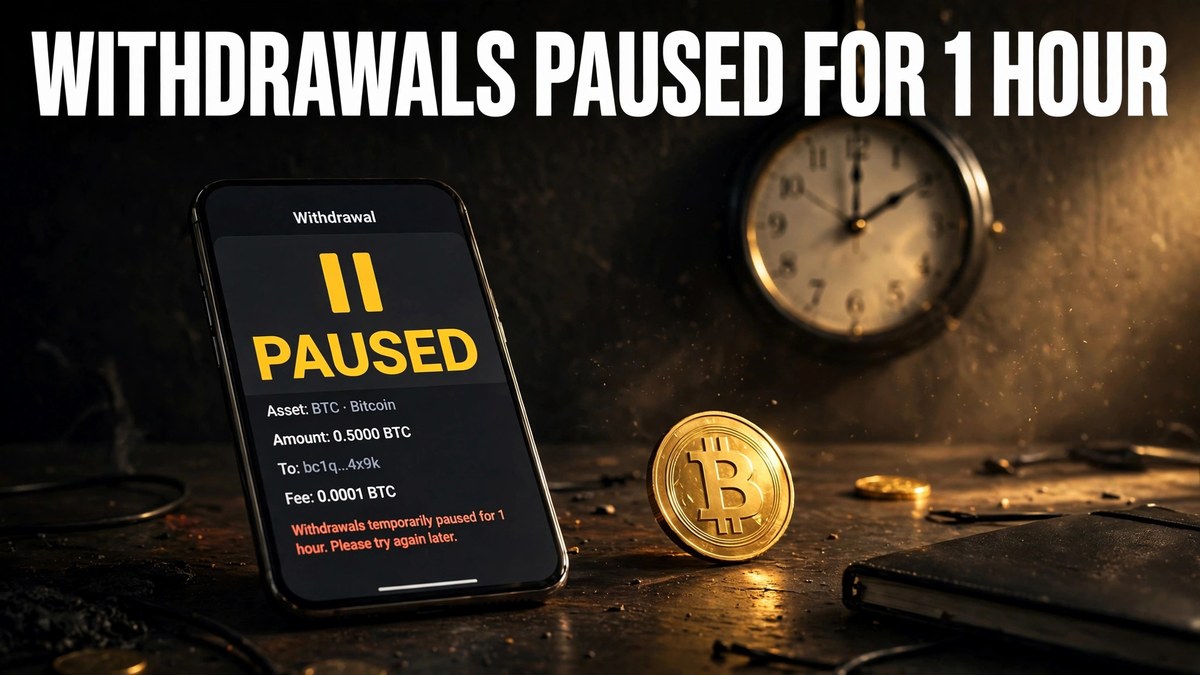
 Binance Is Pausing All Withdrawals Today — One Hour of Maintenance, and Traders Are Watching
 Ansem’s Wallet Drained of $2.57M as His Own Token Crashes 60% — Hack or Inside Job?
 Lil Pudgys Floor Holds Near 0.22 ETH as the Little Penguins Weather a Red Day
 Jensen Huang Is Back at Nvidia — and the Memecoin Market Lost Its Mind Overnight
 Saturn’s sUSDat Pays 11%+ — The Stablecoin Vault With a 3–7 Day Catch
 Kraken’s kBTC Vault Pulled In $30 Million on Day One — Bitcoin Yield Is Having a Moment
 Maple’s syrupUSDG Just Passed $200 Million — Its First New Syrup Asset in Two Years

Japan’s biggest financial names just made their boldest onchain move yet. SBI Holdings and Sumitomo Mitsui Financial Group — two groups sitting on $2.3 trillion in combined assets — have launched SBI Solana Global, a new joint venture with the Solana Foundation that puts stablecoin payments, tokenized bonds and real-world assets on Solana’s public blockchain.
The venture officially began full-scale operations on Wednesday, November 25, completing a corporate overhaul that turns SBI R3 Japan — a company built around the private, permissioned Corda ledger — into a Solana-native business. The Solana Foundation joins as a co-owner, and the message from Solana’s official account was blunt: “SBI Solana Global is live.”

What SBI Solana Global Will Actually Do
The new company has four jobs on its list, and each one is aimed squarely at Japan’s traditional financial plumbing.
First, stablecoin payments. SBI Solana Global will build domestic and cross-border remittance infrastructure using stablecoins, including micropayments made by AI agents — the kind of tiny machine-to-machine transactions that card networks handle poorly because fees eat most of the payment.
Second, financial asset tokenization: bringing bonds, investment funds and loan receivables onchain, which the partners say should widen funding options and open investing to more people.
Third, real-world asset tokenization — using the chain to track the authenticity and traceability of commodities, rights and other non-financial assets.
And fourth, onchain asset management, built around stablecoins and tokenized instruments.
Why Solana, and Why Now
This did not come out of nowhere. SBI and the Solana Foundation announced a strategic partnership back in July, and the plan was always to rename SBI R3 Japan and rebuild it around a public blockchain. What changed on Wednesday is that the paperwork is done and the company is now fully operating under its new name.
The shift matters because of where SBI R3 Japan started. Founded in January 2019, it spent years promoting R3’s Corda — a private ledger where only approved participants can see and validate transactions. SBI Solana Global runs on the opposite idea: a public chain anyone can build on, with Solana’s low fees and high speed doing the heavy lifting.
SBI is no stranger to stablecoins either. Its crypto arm, SBI VC Trade, began offering USDC trading in March 2025, and the group launched the yen-backed JPYSC stablecoin with Startale in June 2026. By the end of October, JPYSC’s outstanding balance had reached roughly ¥20.8 billion — about $136 million.
The Fine Print: No Dates, No Deal Terms
For all the scale in the announcement, plenty is still missing. The companies did not disclose the equity split between SBI, SMFG and the Solana Foundation, shared no financial terms, named no executives, and gave no launch dates for any of the four product lines. That is worth saying plainly: this is a starting gun, not a finished product.
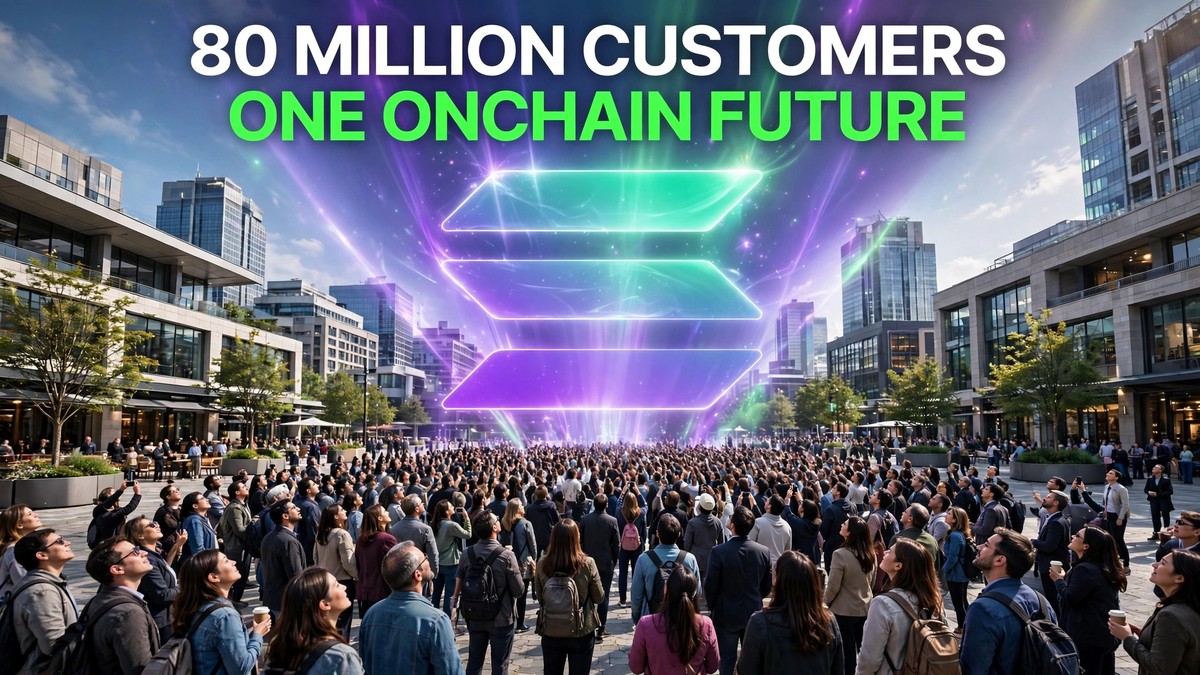
And one number needs honest framing. The $2.3 trillion figure is the combined assets of the two banking groups behind the venture — not money already sitting on Solana. The 80 million-plus customers are theirs too. What moves onchain, and how fast, is still to be decided.
SOL Didn’t Rally on the News — and That’s the Point
If you were watching the price, you would never know this happened. Solana traded near $67.69 on Wednesday, down about 4% in 24 hours, dragged lower with the rest of the market as Bitcoin slipped to around $58,600 and Ethereum to roughly $1,643. Fear is still extreme across the board.
That is exactly why this story matters more than a one-day price move. Bank ventures do not lift a token in an afternoon — they build the rails that money travels on for years. Japan’s megabanks choosing a public chain over the private ledger they spent seven years promoting is a structural shift, and it lands at a moment when tokenization is moving from conference slides into real balance sheets. Hong Kong launched a tokenized debt platform with 24-hour settlement on the very same day.
The plan now is to build at home first — inside Japan’s regulatory framework — and then take the products across Asia and into global markets. The companies are clear they do not intend to run a blockchain business confined to Japan.
Key takeaway: Two of Japan’s financial giants, $2.3 trillion in combined assets and more than 80 million customers behind them, have just bet their onchain future on Solana. No launch dates yet, no deal terms disclosed — but the direction is unmistakable, and it points away from private ledgers and toward public chains.
#CryptoBulletin
#Solana
#SOL
#SBI
#SMFG
#Stablecoins
#Tokenization
#RWA
#Blockchain
#DeFi
#CryptoNews
#CryptoNewsToday
#Japan
#Onchain
#Web3