 Bitcoin ETFs Cross $5 Billion in November Outflows — A Record Month, and the Month Isn’t Over Yet
 BTCS Sold 27,300 ETH to Repay $43.8 Million of Aave Loans — The Treasury Firm Deleverages
 Ethereum’s Glamsterdam Upgrade Timeline Is Under Review — Gas-Pricing Problems Force a Rethink
 Coinbase CEO Brian Armstrong: ‘Well Over 99.9%’ of Transactions Will Soon Be Done by AI Agents
 Tech Stocks Slide Again — But Bitcoin Is Holding Up Better Than Ethereum
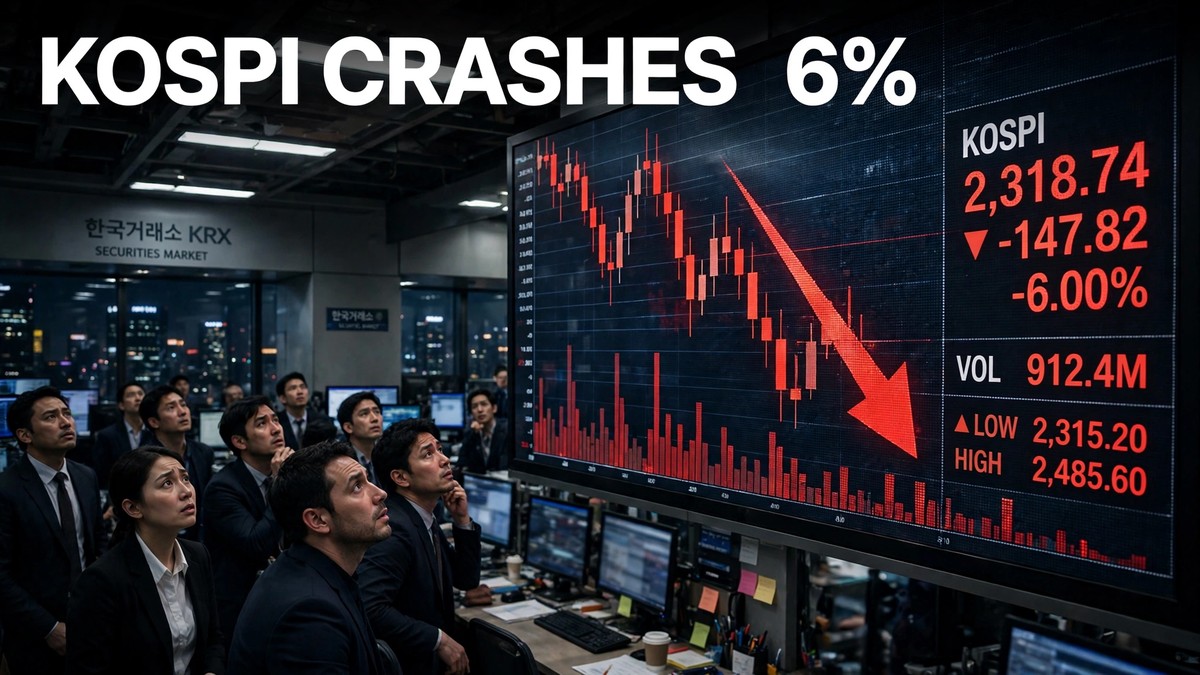 Kospi Crashes 6.16% as Samsung and SK Hynix Plunge — And Crypto Got Caught in the Crossfire
 Tether Faces Claims It Wants a 20% Fee From Hack Victims Trying to Recover Frozen USDT
 Bithumb Breach Widens: 15-Day Hack Stole Passport Numbers, Bank Details and Wallet Addresses

Three years in the making, one vote in Kyiv, and crypto in Ukraine just went from grey zone to law. On Wednesday, Ukraine’s parliament passed the bill that legalizes the crypto market — and puts a 23% tax on the profits.
The Verkhovna Rada approved bill No. 10225-d in its second reading and in full, with 271 lawmakers voting in favour and 8 against. It is the end of a legislative marathon that started more than three years ago: the bill was first approved in September 2025, and the finance committee signed off on the revised version on November 23. Now it goes to President Volodymyr Zelenskyy for signature — the last step before it becomes law.

What the 23% actually means
The headline number is a combination: an 18% personal income tax plus a 5% military levy, charged on your net annual crypto profits. The tax is worked out on the financial result for the calendar year, and what you paid to buy the crypto counts as a documented cost — so you are taxed on the gain, not the whole sale.
Two details will matter a lot to traders. First, swapping one crypto for another is exempt — the tax only bites when you cash out to fiat. Second, losses can be carried forward to offset future gains, so a bad year is not simply written off.
The early-bird deal: sell before 2029 and pay 10%
There is a softer landing for anyone who bought before the new rules arrive. If you sell holdings bought before the law takes effect for fiat currency by the end of 2028, you can opt for a lower rate: 5% income tax plus a 5% military levy. The catch is that the 10% applies to the full sale proceeds, not just the profit — so whether it saves you money depends on how much of the sale is actually gain. After 2028, the standard 23% on gains applies.

Who is in charge now
The bill splits oversight between two regulators. The National Securities and Stock Market Commission becomes the main regulator of the crypto market, while the National Bank of Ukraine keeps responsibility for e-money and currency supervision — including issuers of stablecoins pegged to a single official currency. Exchanges, custodians and other virtual asset service providers will need authorization to operate.
The central bank will also set the rules for foreign tokens to be admitted to the Ukrainian market as electronic money, Governor Andriy Pyshnyy said — a door that could bring the big global stablecoins formally into the country.
What still has to happen
None of this is final yet. The bill still needs the president’s signature, and the securities commission has yet to publish the implementing rules that will make the framework work in practice. The main provisions are scheduled to take effect on July 1, 2027 — so Ukrainian holders have more than a year and a half before the taxman actually arrives.
The context is worth remembering: Ukraine first moved to legalize crypto back in 2022, and regulators floated the combined 23% rate in April 2025. What was missing until now was a comprehensive framework — taxation, licensing and supervision in one place. Ukraine has been one of the world’s most crypto-active countries through the war years, and this vote finally gives that activity a legal home.
The market, meanwhile, is still bleeding
Do not mistake this for a price story. Bitcoin was trading near $57,488 at the time of writing, down about 5% in 24 hours, with the market still digesting Wednesday’s hot US PCE inflation print — core PCE came in at 3.3%, above the 3.2% expected, and December rate-hike odds have climbed toward 100%. Ether was near $1,615, and the Fear & Greed Index sat at 13, deep in Extreme Fear. Ukraine’s vote is a slow-burn regulatory story, not a spark for the charts — but for the millions of Ukrainians who hold crypto, it changes everything about how the next bull run gets taxed.
For Ukrainian holders, the grey zone is ending. The price of playing in the open is 23% — and the clock starts in July 2027.
#CryptoBulletin #Bitcoin #CryptoNews #Ukraine #CryptoRegulation #CryptoTax #BTC #Ethereum #CryptoMarket #Blockchain #Web3 #Crypto #DigitalAssets #CryptoNewsToday #Regulation