 Bitcoin ETFs Cross $5 Billion in November Outflows — A Record Month, and the Month Isn’t Over Yet
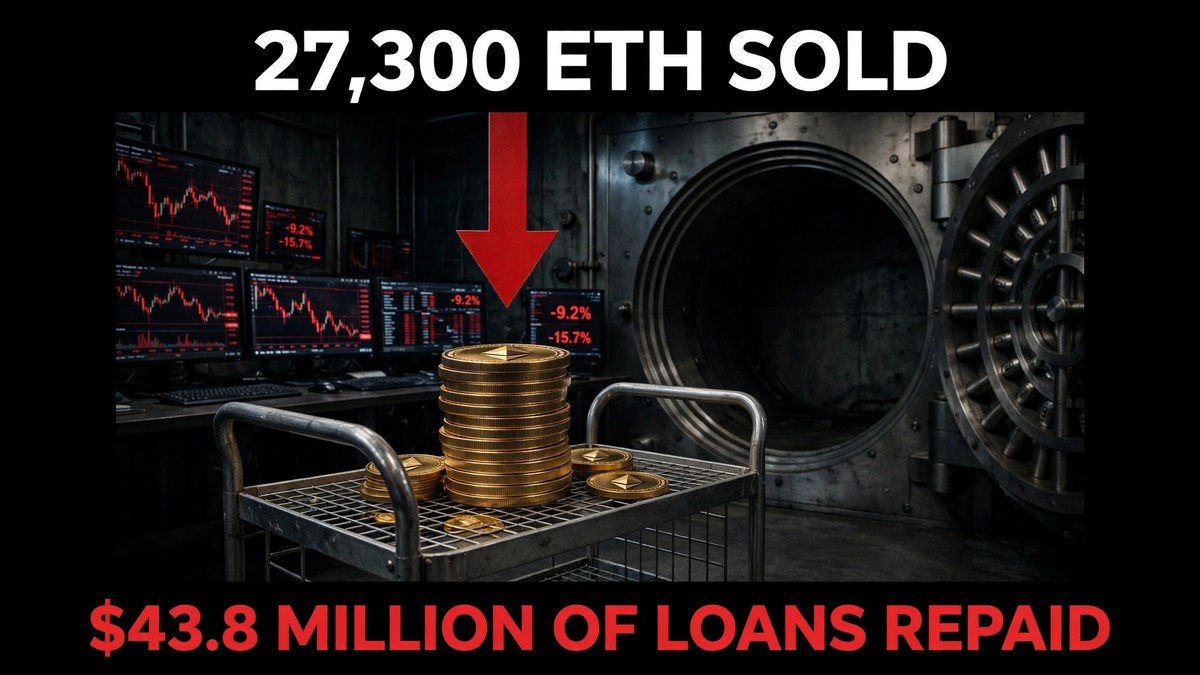 BTCS Sold 27,300 ETH to Repay $43.8 Million of Aave Loans — The Treasury Firm Deleverages
 Ethereum’s Glamsterdam Upgrade Timeline Is Under Review — Gas-Pricing Problems Force a Rethink
 Coinbase CEO Brian Armstrong: ‘Well Over 99.9%’ of Transactions Will Soon Be Done by AI Agents
 Tech Stocks Slide Again — But Bitcoin Is Holding Up Better Than Ethereum
 Kospi Crashes 6.16% as Samsung and SK Hynix Plunge — And Crypto Got Caught in the Crossfire
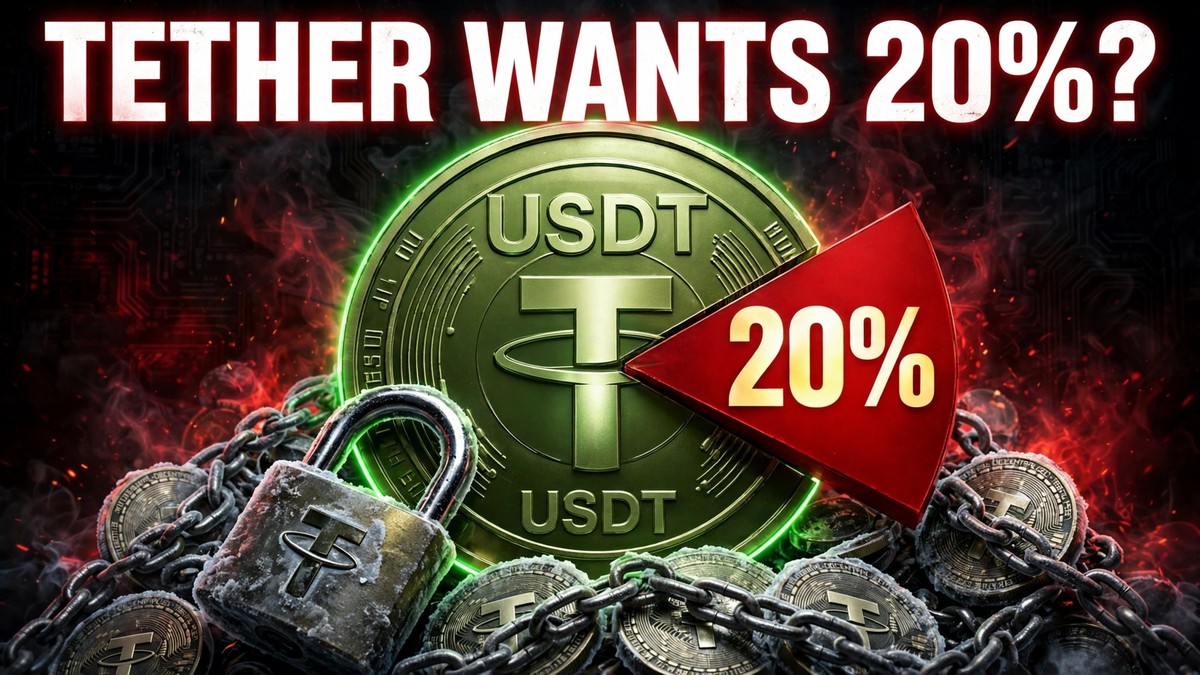 Tether Faces Claims It Wants a 20% Fee From Hack Victims Trying to Recover Frozen USDT
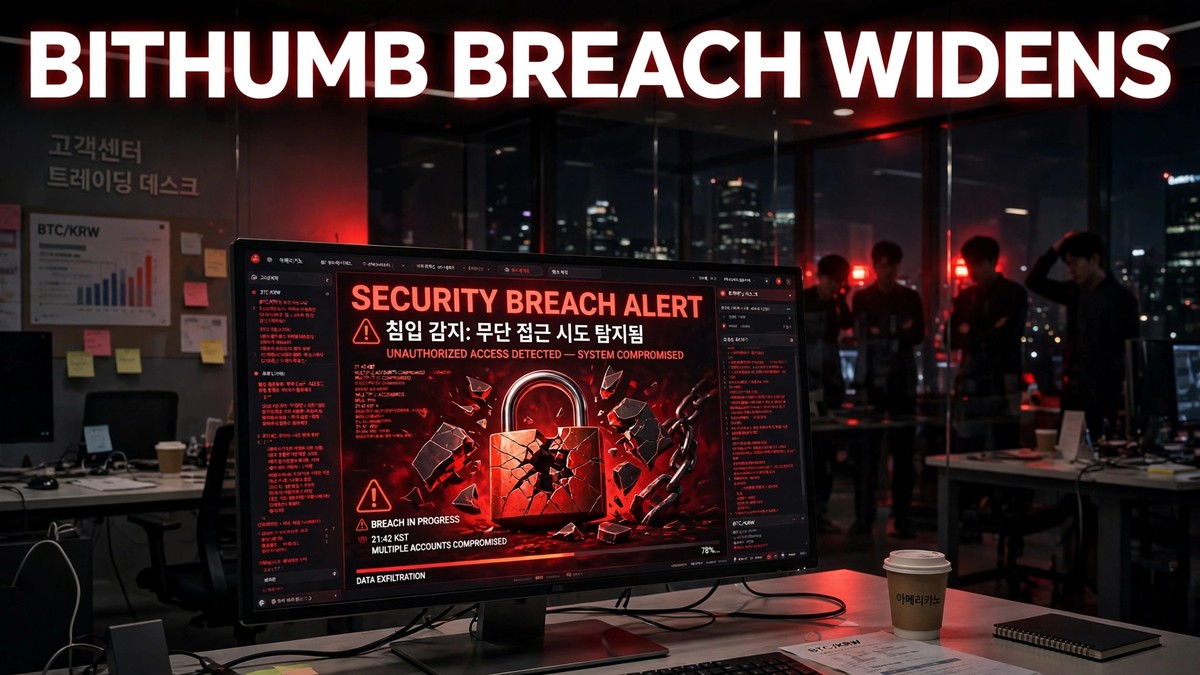
The Bithumb story just got bigger — and this time the exchange itself has confirmed it. In a revised security notice on November 25, South Korea’s major crypto exchange said its October breach of the internal DaouOffice system ran for more than 15 days, exposed far more personal data than first reported, and affected more people than the 7,159 counted in its original October 29 disclosure.
What exactly was taken is now much clearer — and much worse than the first accounting. The unauthorised access ran from 1:49pm on October 12 to 3:22pm on October 27, not the 59-minute window Bithumb first described. The number of exposed data types rose from 16 to 19, adding bank account numbers and crypto wallet addresses. The stolen records include passport numbers, South Korean resident registration numbers, driver’s licence numbers, copies of identity documents, transaction histories, names, phone numbers, email addresses, dates of birth and home addresses. The people affected include customers, employees of partner companies, and current and former Bithumb staff. Bithumb has not given a revised total victim count — the original disclosure covered 7,159 people, including 6,444 customers and 646 employees.
One thing Bithumb has been clear about: no cryptocurrency was stolen. The company says DaouOffice is separate from its trading systems and the systems holding customer asset data, and it found no evidence of a direct breach of the exchange or its customer database. The risk is different — and in some ways worse. Passport numbers, bank details and wallet addresses in the wrong hands are the raw material for identity theft and targeted phishing, and Bithumb itself has warned customers about fake websites, emails and text messages impersonating the exchange.

⚠️ What Bithumb has done — and what it has not said
Bithumb says it blocked the IP addresses tied to the intrusion, suspended DaouOffice, formed an incident response team, fixed the security flaw and is reviewing its internet-facing services. It has opened an inquiry service so customers can check whether their details were exposed, says it will inform affected customers individually by email and text message, and says it will review compensation for losses linked to the breach.
What it has not done is name the attacker, explain how the flaw was used to gain access, or give a new victim total. The exchange was also unaware of the intrusion for more than two weeks — and, according to reports, took about three hours to block unauthorised external access after recognising the incident. For an exchange operating under some of the strictest rules in crypto, those are the questions regulators will be asking next.
📈 Why an internal-system breach still rattles the market
It is tempting to shrug at a breach that did not drain customer wallets. That would be a mistake. Exchanges live and die on trust, and an attacker who gets inside an internal system has a foothold — employee data, internal workflows, the kind of information that makes the next attack, whether phishing or social engineering, far more convincing.
South Korea’s exchanges operate under some of the strictest rules in crypto, and regulators there do not take breaches lightly. Bithumb is one of the country’s biggest venues, and a widening victim list invites exactly the kind of scrutiny no exchange wants: questions about what was secured, what was not, and how long it took to find out.
The market backdrop does not help. Bitcoin is trading near $60,475 after falling to a $57,300 intraday low on November 25, and the Fear & Greed Index sits at 13 — deep in Extreme Fear. US spot Bitcoin ETFs have now seen around $5.39 billion in net outflows in November, a record month. In a market this nervous, a breach story at a major exchange lands harder than it would in a calm one.

🎯 What to watch next
Watch for Bithumb’s individual notifications first — the emails and text messages telling customers exactly what was exposed. Watch for a regulator response second: South Korean authorities have moved fast on exchange incidents before, and a widening breach is exactly the trigger for a formal probe.
And if you hold funds on any exchange, not just Bithumb, take the boring steps now — unique passwords, two-factor authentication, withdrawal allowlists. Breaches of internal systems rarely stay internal for long.
Bithumb’s breach was already bad. Now it is confirmed bigger — 15 days, 19 types of data, and a victim count the exchange still has not finished counting.
#CryptoBulletin #Bithumb #CryptoHack #CryptoNews #CryptoMarket #CryptoNewsToday #CryptoMarketToday #Bitcoin #BTC #Ethereum #ETH #CryptoExchange #CryptoSecurity #Blockchain #CryptoTrading