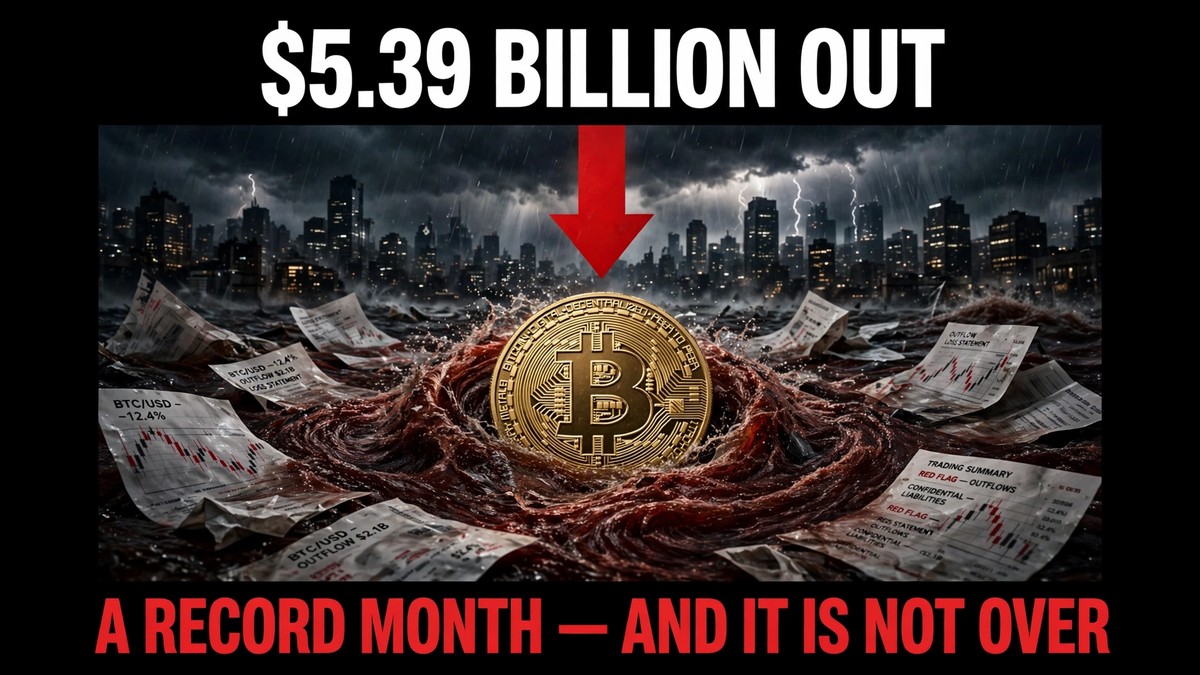
 Bitcoin ETFs Cross $5 Billion in November Outflows — A Record Month, and the Month Isn’t Over Yet
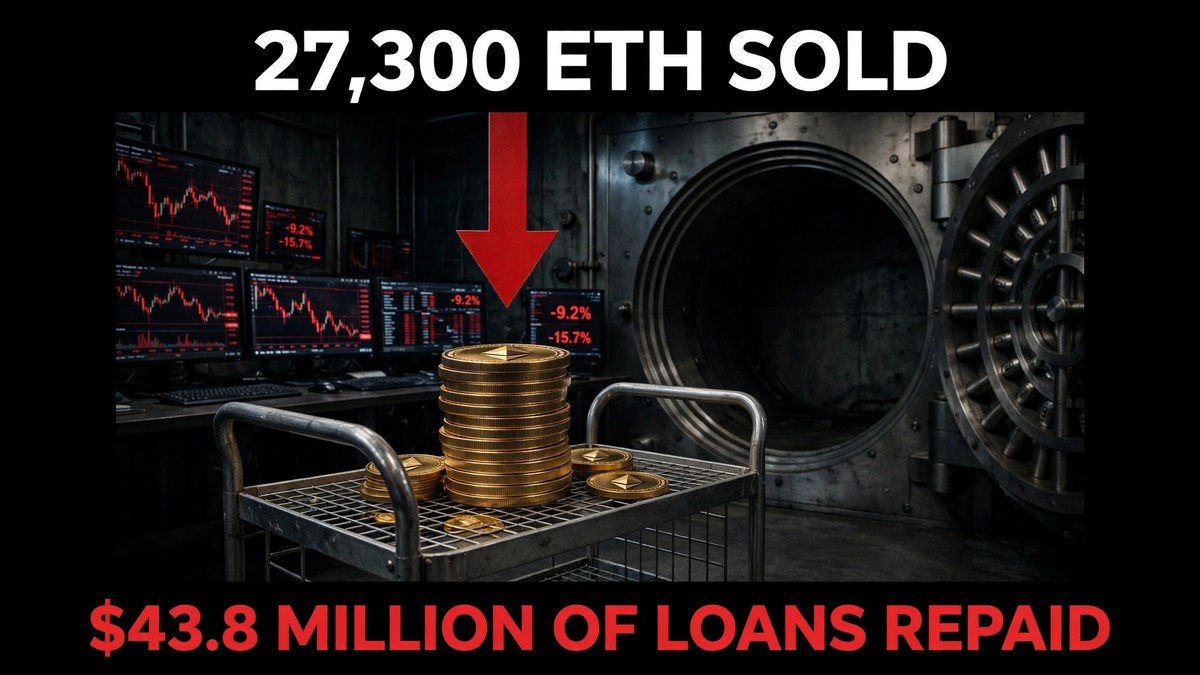 BTCS Sold 27,300 ETH to Repay $43.8 Million of Aave Loans — The Treasury Firm Deleverages
 Coinbase CEO Brian Armstrong: ‘Well Over 99.9%’ of Transactions Will Soon Be Done by AI Agents
 Tech Stocks Slide Again — But Bitcoin Is Holding Up Better Than Ethereum
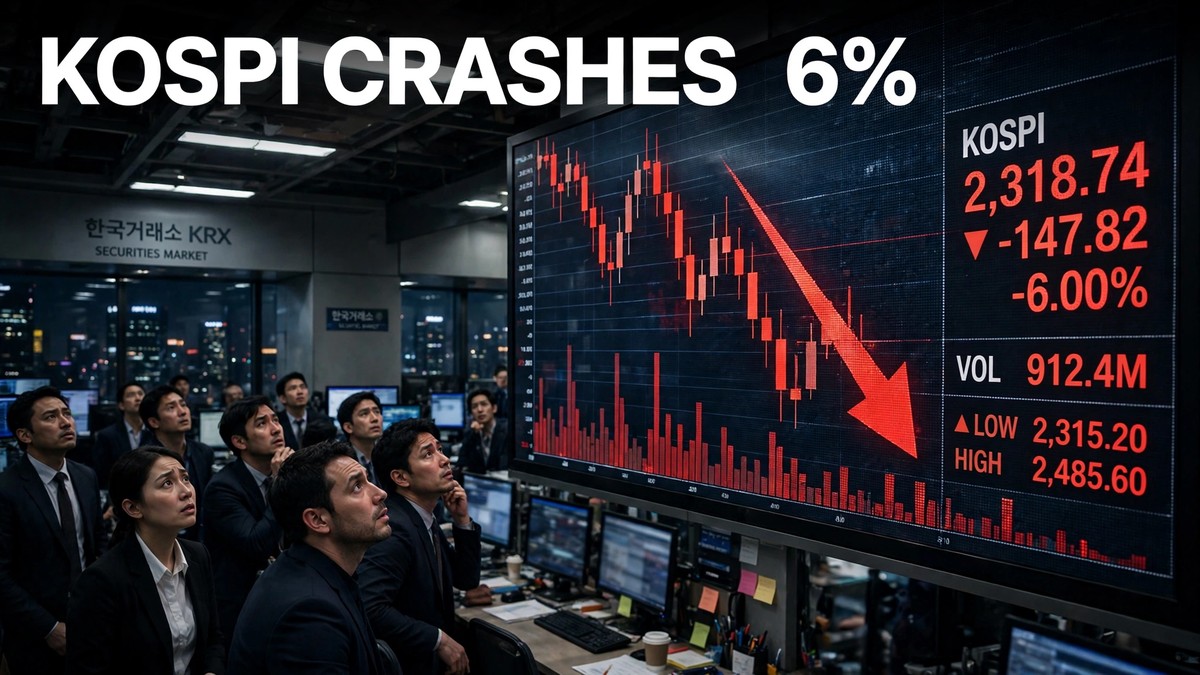 Kospi Crashes 6.16% as Samsung and SK Hynix Plunge — And Crypto Got Caught in the Crossfire
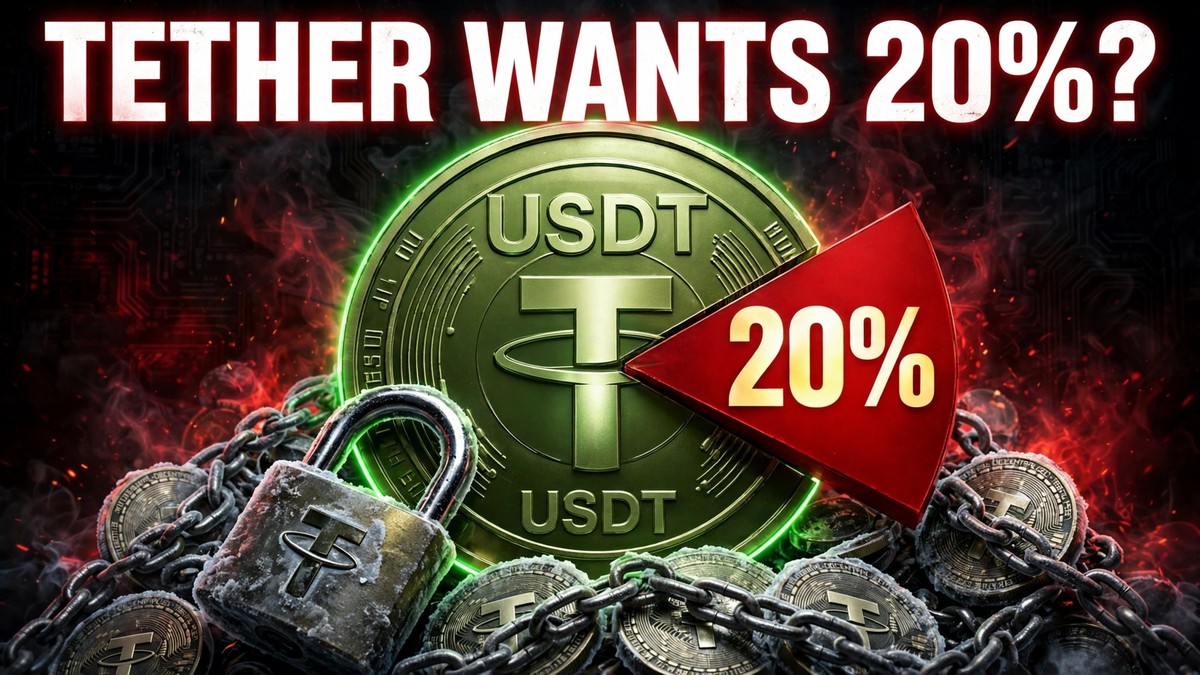 Tether Faces Claims It Wants a 20% Fee From Hack Victims Trying to Recover Frozen USDT
 Bithumb Breach Widens: 15-Day Hack Stole Passport Numbers, Bank Details and Wallet Addresses
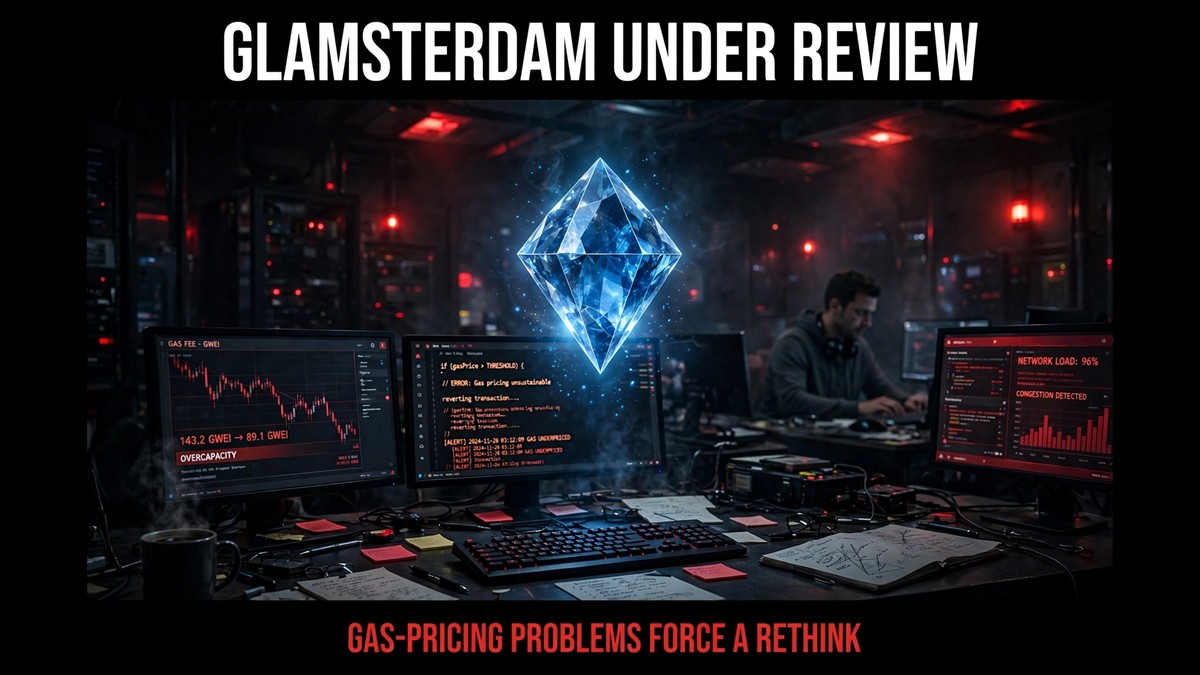
Ethereum’s next big upgrade may not arrive when everyone expected. Developers are now reconsidering the timeline for Glamsterdam — the upgrade lined up after Fusaka — after proposed changes to how gas is priced raised compatibility problems that nobody wants to rush past.
The decision point is today: the All Core Developers Consensus call (ACDC #192) was scheduled for 14:00 UTC on November 26 to make the go/no-go call on a Hoodi testnet fork pencilled in for December 16 or 17. But the call falls on US Thanksgiving, and its chair has said it will try to avoid irrevocable decisions if key people cannot attend — so the decision could slip to a later call, on December 3 or December 10.
This is not a cancellation, and it is not a crisis. It is a pause for a rethink, and in Ethereum’s world, that is usually how the careful work gets done. But for a network that has spent the year trying to keep its upgrade train running on schedule, even a review of the timeline is news worth watching closely.
⚠️ Gas pricing is the sticking point
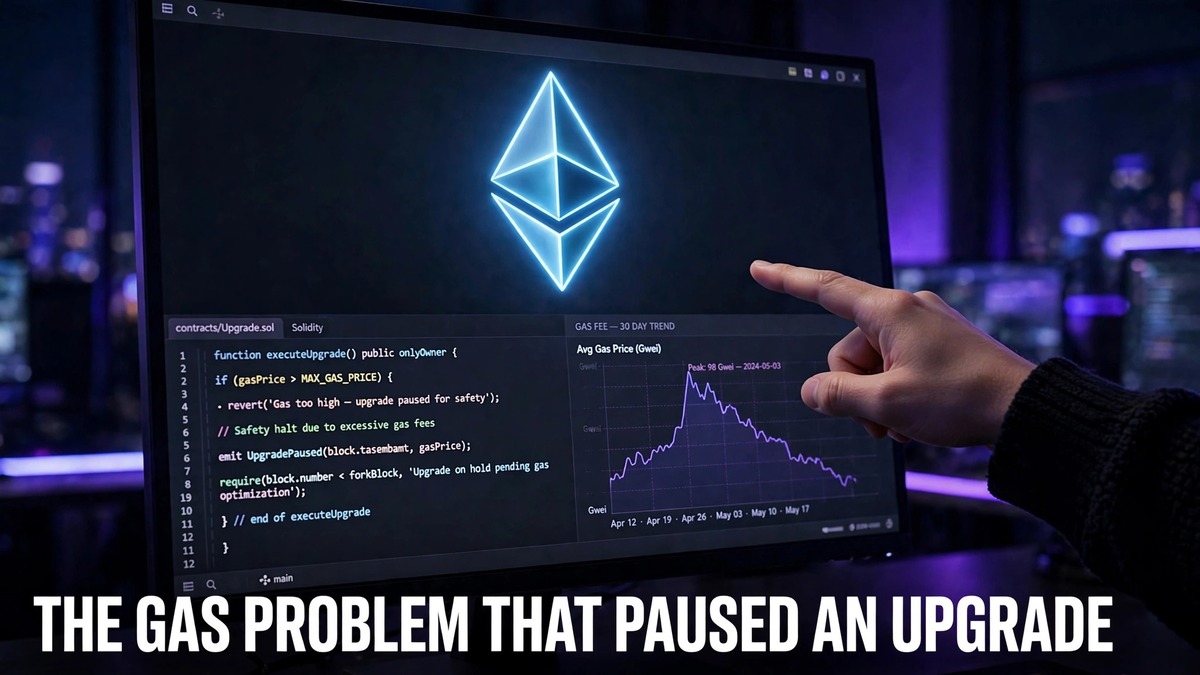
At the heart of the rethink are two proposals, EIP-8037 and EIP-8038, which change how gas is charged for creating and accessing state on the network. Gas is how Ethereum charges for every computation — every swap, every transfer, every smart contract call — so changing how it is priced touches everything. Get it wrong, and wallets, apps and infrastructure built on today’s rules could behave differently than expected.
That is the compatibility problem developers are wrestling with. Ethereum Foundation researcher Marius van der Wijden estimated that 10,000 to 15,000 contracts could be affected by the new gas rules, out of about 90 million contracts on Ethereum. Auditors ChainSecurity flagged the risks in a security assessment published on November 18 — and the planned Hoodi testnet fork of October 26 was cancelled on October 22 after those findings. The details of what exactly is being reconsidered are still emerging, and developers have not confirmed a new date or a final scope. What is clear is that the timeline is under review rather than locked in, and that the gas-pricing question is the reason why.
📈 Why a delay would matter — and why it might not
Ethereum upgrades are not like product launches. They are coordinated across thousands of developers, client teams, validators and applications, and a slip in one upgrade ripples into the planning for the next. Glamsterdam was expected to carry forward the scaling and efficiency work that Fusaka started, so any meaningful delay would push back improvements that developers and users have been counting on.
But there is another way to look at it. Ethereum’s upgrade history is full of delays that turned out to be the right call — extra testing time that caught bugs before they reached the main network. A timeline review now, while the problems are still on paper, is far cheaper than a fix after deployment. The network processes billions of dollars in value every day. Nobody involved wants a gas-pricing change to be the thing that breaks it.
The shape of the decision is now clear. On November 19, the All Core Devs Execution call reached a rough consensus to proceed with the current Glamsterdam specification unless a viable alternative emerges, and pencilled in the Hoodi fork for the week of December 14. Most client teams backed scheduling it. Besu had asked for a narrow fix or for EIP-8037 to move to the following upgrade, but acquiesced on the call. The consensus-layer developers could still veto the date — a consensus-layer fix that Prysm says rules out a Hoodi fork this year is one open choice, and reopening EIP-8037 is the other. If the specification stays as written, mainnet is possible from mid-January 2027 at the earliest, with late January or early February more realistic. If EIP-8037 is reopened, mainnet slips to late February at the earliest, or April or May.
For now, ETH holders should not expect an immediate price reaction to a scheduling review. Ethereum is trading near $1,690.53, up about 3.0% in the last day, after a bruising November that has seen its ETFs bleed $1.30 billion. The upgrade story is a slow burn, not a spark — but it is one of the few things that could change how the network works next year.
🎯 What to watch next
Watch for the outcome of today’s call first — whether ACDC #192 confirmed the December 16–17 Hoodi date, or the decision slipped to the December 3 or December 10 calls. Watch for specifics on the gas-pricing proposals too — which changes stay, which get reworked, and what that means for the apps that run on Ethereum today.
And watch the tone. If developers sound calm and methodical, this is routine engineering caution. If the language sharpens, the rethink is bigger than it looks. Either way, Glamsterdam is no longer on autopilot — and Ethereum’s roadmap for 2026 just got a little less certain.
Ethereum’s next upgrade is under review, not under threat. But in a market this nervous, even a review is enough to make everyone pay attention.
#CryptoBulletin #Ethereum #ETH #ETHPrice #Glamsterdam #CryptoNews #CryptoMarket #CryptoNewsToday #CryptoMarketToday #Blockchain #EthereumUpgrade #GasFees #DeFi #CryptoUpdate #EthereumNews