
 NFTs in 2027: What Collectors Are Actually Watching
 NFT Royalties Are Fading: What Creators Actually Earn Now
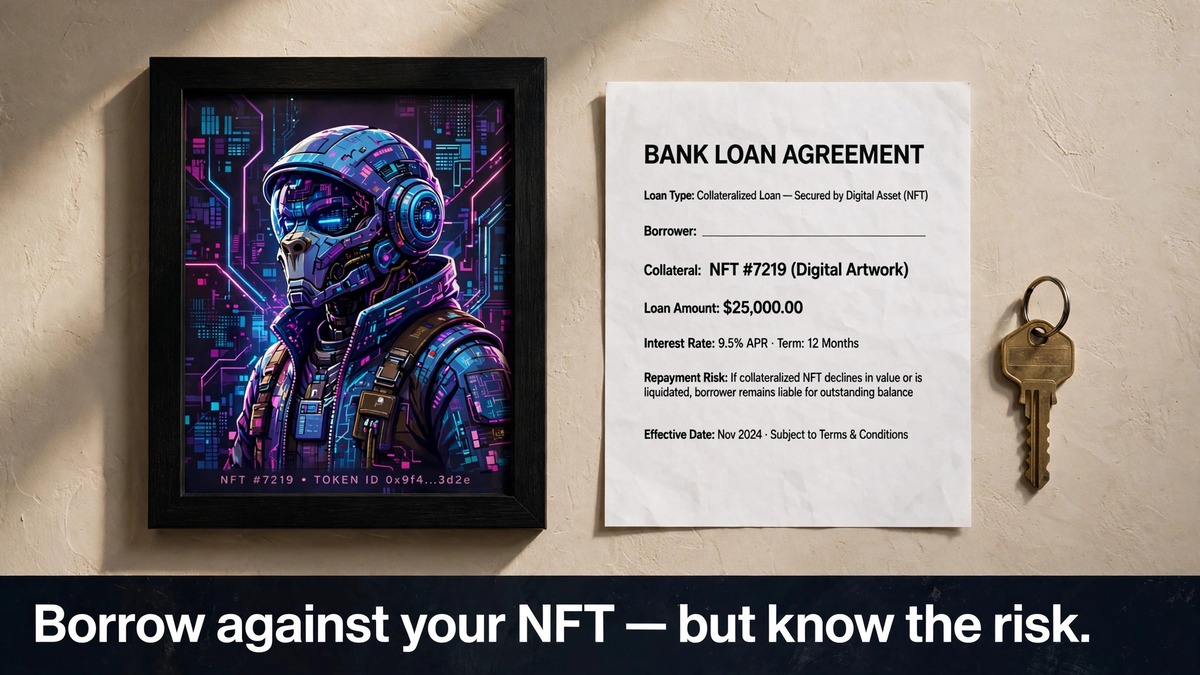 Borrowing Against Your NFT: How NFT Lending Works — and Where It Breaks
 How to Spot a Fake NFT Before You Buy It
 NFT Games After Somnium: What “Leaving Crypto” Actually Means for Players
 One Bitcoin NFT Sold for $1.58M: The BRC-20 Sale That Lifted the Whole Week
 Bitcoin Miners Earned Just 912 BTC in Fees All Year — a 15-Year Low
 PIEVERSE Jumps 50% in a Day as Its AI Agent Beta Opens

Russia’s biggest private bank goes crypto.
Russia’s largest private bank just stepped into crypto in a way no Russian bank has before.
Alfa Bank has been registered as a crypto exchange by Russia’s Central Bank, according to a roundup reported on 19 November. The bank also plans its own crypto custody service. That is a big move for a country where crypto has lived in a grey zone for years — used, traded, and talked about, but never fully welcomed into the banking system.
Alfa Bank is not a small player. It is Russia’s biggest private bank, with millions of customers and a large retail and business footprint. When a bank of that size gets a crypto exchange registration, it sends a signal to every other bank in the country. Crypto is no longer just an outside activity. It is now something a mainstream bank can offer, under the eye of the central bank.
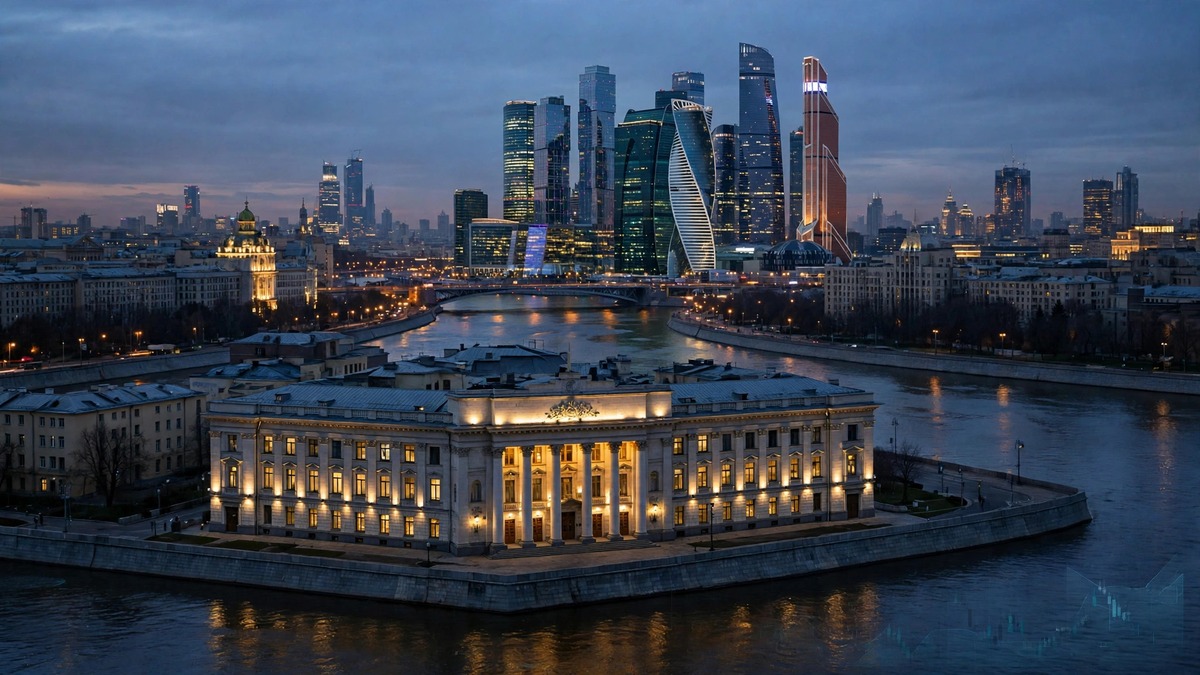
Registration matters because it is not the same as a press release. A registration by the Central Bank means the bank has gone through a formal process and is now on the official list. It can operate as an exchange within the rules that apply to that registration. Customers can expect more structure, more checks, and more paperwork than on an unregulated platform. They can also expect a name they already know.
Custody is the other half of the story. A custody service holds crypto safely for customers, much like a bank holds cash in an account or valuables in a safe deposit box. For large holders, that matters more than trading. They want to know their coins will not be lost to a hack, a lost password, or a platform that disappears. A bank offering custody is offering trust, and trust is what many crypto holders say is missing.
The plan does not mean Alfa Bank customers can buy any coin tomorrow. No launch dates or volumes were given in the material used for this article, and none are stated here. A registration is a licence to build, not a finished product. The bank still has to set up systems, hire staff, agree its internal rules, and decide which coins and services to offer first.
The wider Russian picture is shifting too. Russia will let foreigners open digital ruble accounts starting in 2027, according to the same 19 November roundup. The digital ruble is Russia’s central bank digital currency, a digital version of the national currency issued by the central bank itself. Letting foreigners open accounts is a step toward using it for cross-border payments.
That step fits a broader pattern. Russia has been looking for payment routes that do not depend on Western banks and dollar clearing. Crypto, stablecoins, and a digital ruble are all part of that search. The goal is not to replace the ruble. It is to give Russia more ways to move money when normal channels are blocked or slow.
For the rest of the world, the Alfa Bank move is a reminder that crypto adoption does not follow one path. In the US, the debate is about stablecoin law and ETF flows. Bitcoin was at $63,902 on 19 November, down 1.2%, with US Bitcoin ETFs losing $306.4 million the day before. In Russia, the story is a big bank getting a formal crypto role from the central bank. The drivers are different, but the direction is similar: crypto is moving closer to the regulated financial system.

It also raises questions about control. A central bank that registers exchanges can also set the terms. It can decide which assets are allowed, what reporting is required, and how customer funds must be held. That is good for consumer protection, if the rules are fair and clear. It can also be used to limit what people can do. The balance between access and control will be tested as Alfa Bank builds its service.
For crypto holders outside Russia, the direct effect is small. You will not be opening an Alfa Bank crypto account from London or Dubai tomorrow. The indirect effect is bigger. Every time a large bank in a large economy takes a formal crypto role, it makes it harder to argue that crypto is only a fringe activity. Banks, regulators, and customers are all learning to live with it, even in places where the rules are very different.
The digital ruble plan for 2027 adds a second track to watch. A central bank digital currency for foreigners is not the same as a free crypto market. It is a state-run digital currency, with state rules. It could make cross-border payments easier for firms that trade with Russia. It could also be a tool for tracking those payments. Both effects can be true at the same time.
For now, the facts are clear and limited. Alfa Bank is registered as a crypto exchange by Russia’s Central Bank. It plans its own custody service. Russia will let foreigners open digital ruble accounts from 2027. No launch date, no trading volumes, and no list of coins were given. The rest is still to come.
Disclaimer: This article is for information only and is not financial advice. Crypto rules differ by country and can change quickly.
#CryptoBulletin #Bitcoin #CryptoNewsToday #Altcoins #Blockchain #CryptoMarketToday #Web3 #CryptoNews #DeFi #Crypto #BitcoinPrice #MarketUpdate #CryptoCommunity #Investing #Finance #CryptoCrash