 NFTs in 2027: What Collectors Are Actually Watching
 NFT Royalties Are Fading: What Creators Actually Earn Now
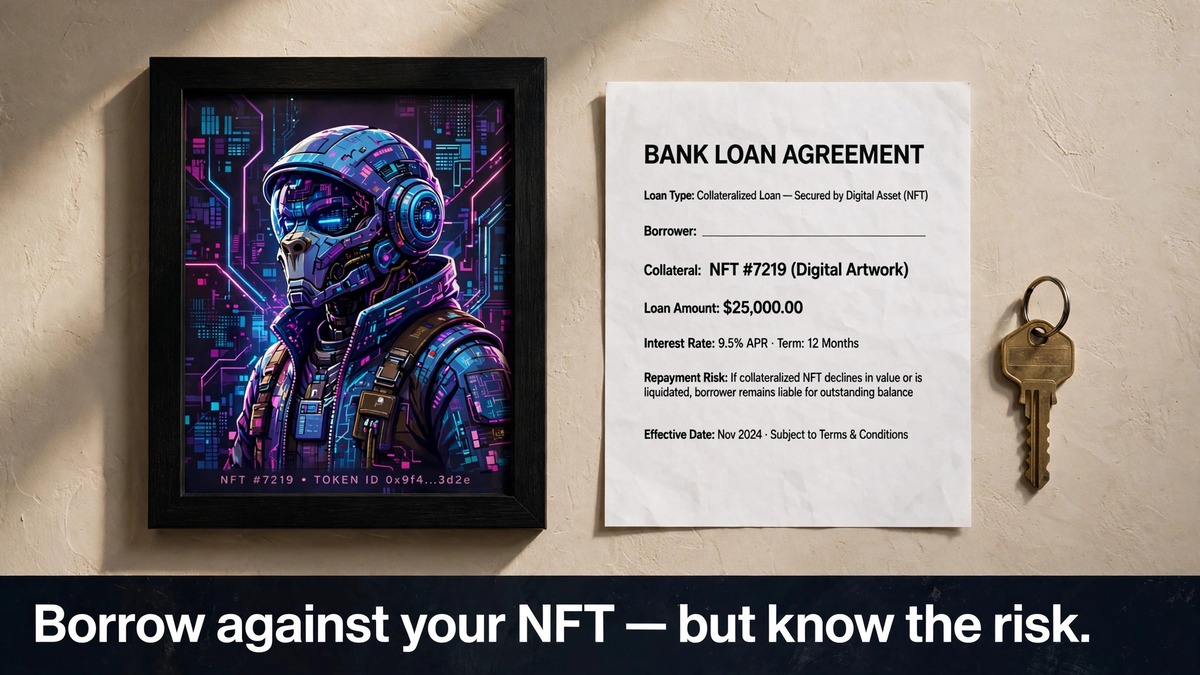 Borrowing Against Your NFT: How NFT Lending Works — and Where It Breaks
 How to Spot a Fake NFT Before You Buy It
 NFT Games After Somnium: What “Leaving Crypto” Actually Means for Players
 One Bitcoin NFT Sold for $1.58M: The BRC-20 Sale That Lifted the Whole Week
 Bitcoin Miners Earned Just 912 BTC in Fees All Year — a 15-Year Low
 PIEVERSE Jumps 50% in a Day as Its AI Agent Beta Opens
State stablecoins want the same protection.
Two senators just asked Washington to stop treating state stablecoin issuers like second-class citizens.
Cynthia Lummis and Kirsten Gillibrand, a bipartisan pair who have worked on crypto law before, urged Treasury Secretary Scott Bessent to grant state-regulated stablecoin issuers equal safe harbor under the GENIUS Act. The point is simple. If a stablecoin issuer follows strong state rules, it should get the same protection as a federally chartered issuer.
This is a request, not a new law. No rule has changed yet. No vote has happened. The letter asks Treasury to act, and the answer will shape how stablecoins are built in the United States for years.
Stablecoins sit at the centre of crypto payments. They are tokens pegged to the dollar, used for trading, saving, sending money, and settling deals without a bank in the middle of every step. USDT and other dollar tokens move billions every day. The GENIUS Act was meant to give them a clear legal home in the US, with rules on reserves, audits, and consumer protection.
The fight now is about who gets to be that home. The United States has a dual banking system. Banks and money firms can be chartered by a state, like New York, or by the federal government. Both paths have existed for a long time. The senators argue that the same idea should apply to stablecoins. A state charter should not mean weaker protection if the state rules are strong.
That matters because states moved first on crypto. New York built its BitLicense and its stablecoin rules years ago. Wyoming created a special crypto bank charter. Other states followed with their own licensing regimes. Those states argue they know their local firms, can move faster, and can test new ideas without waiting for Washington.
A safe harbor, in plain language, is a legal shield. If you follow the stated rules, you are protected from certain enforcement action. For a stablecoin issuer, that shield is the difference between building with confidence and building with a lawyer on speed dial. It affects hiring, banking partners, exchange listings, and whether big firms will touch the token at all.
If Treasury agrees, state issuers could compete on equal terms. A well-run state stablecoin would not need to re-charter federally just to get the same treatment. That could keep innovation in states that want it, and keep smaller issuers alive. A small firm can meet tough state rules. It cannot always afford a second federal process on top.
If Treasury says no, the market will tilt federal. Big issuers will pick the federal route because it is safer, even if it is slower and more expensive. State programmes could shrink to a niche. That is the outcome Lummis and Gillibrand want to avoid. They frame it as protecting the dual system itself, not just one company.
Treasury has not replied in public yet, at least not in the material used for this article. Bessent will have to weigh the letter against the views of bank regulators, state regulators, and the stablecoin firms themselves. He will also have to think about timing. Stablecoin rules are still being written into detailed regulations. A decision now sets a precedent that will be hard to undo later.
For regular crypto users, the effect is not instant. Your USDT balance will not change because of a letter. The long-term effect is real, though. More issuers with equal protection could mean more choice, more competition on fees, and more dollar tokens that are actually backed and audited. Fewer issuers could mean the opposite: a market run by two or three giants, with less room for new ideas.
The market backdrop makes this timing sharp. Bitcoin was trading at $63,902 on 19 November, down 1.2% on the day, and about 50% below its $126,080 high from October 2025. The Fear & Greed Index sat at 10, Extreme Fear. Bitcoin ETFs lost $306.4 million on 18 November, with no inflow reported, and Ether ETFs lost $39.8 million. In a fearful market, clear rules matter more, not less. Firms hold back spending when the law is unclear.
Stablecoins are also the bridge between crypto and normal money. Traders park funds in them during a sell-off. Businesses use them to pay suppliers across borders. People in countries with weak currencies use them to hold dollars on a phone. If the US gets the rules wrong, that activity moves offshore. If it gets them right, it stays in the US, under US supervision.
Watch for three things next. First, any public reply from Treasury or Bessent. Second, whether state regulators speak up as a group, or whether they split. Third, whether any stablecoin issuer says publicly that it will change its charter plans because of the letter. Those signals will tell you if this is a polite request that fades, or the start of a real policy shift.
For now, the story is the ask itself. Two senators, from very different states, want state stablecoin issuers to get the same safe harbor as federal ones. They say it protects the dual charter system. Treasury has to decide if it agrees.
Disclaimer: This article is for information only and is not financial advice. Crypto prices can move sharply, and stablecoin rules are still changing.
#CryptoBulletin #Stablecoins #GENIUSAct #Bitcoin #CryptoNewsToday #CryptoMarketToday #Blockchain #Web3 #CryptoNews #DeFi #Altcoins #Crypto #BitcoinPrice #MarketUpdate #CryptoCommunity #Investing