 NFT Lending and Fractionalization: Borrow Against Your Punk or Own a Slice of One — The New Way to Use NFTs Without Selling
 CryptoPunks Floor Holds Near 28 ETH as Blue-Chip NFTs Refuse to Blink — Fresh Floor Price and 7-Day Move
 SKY Slides 5.41% as the Maker Rebrand Token Sinks Deeper — A Full Lending Pool and a 40% Monthly Fall
 Zcash Plunges 12% in a Week as Privacy Coins Cool Off — From a $1,653 High to Under $800
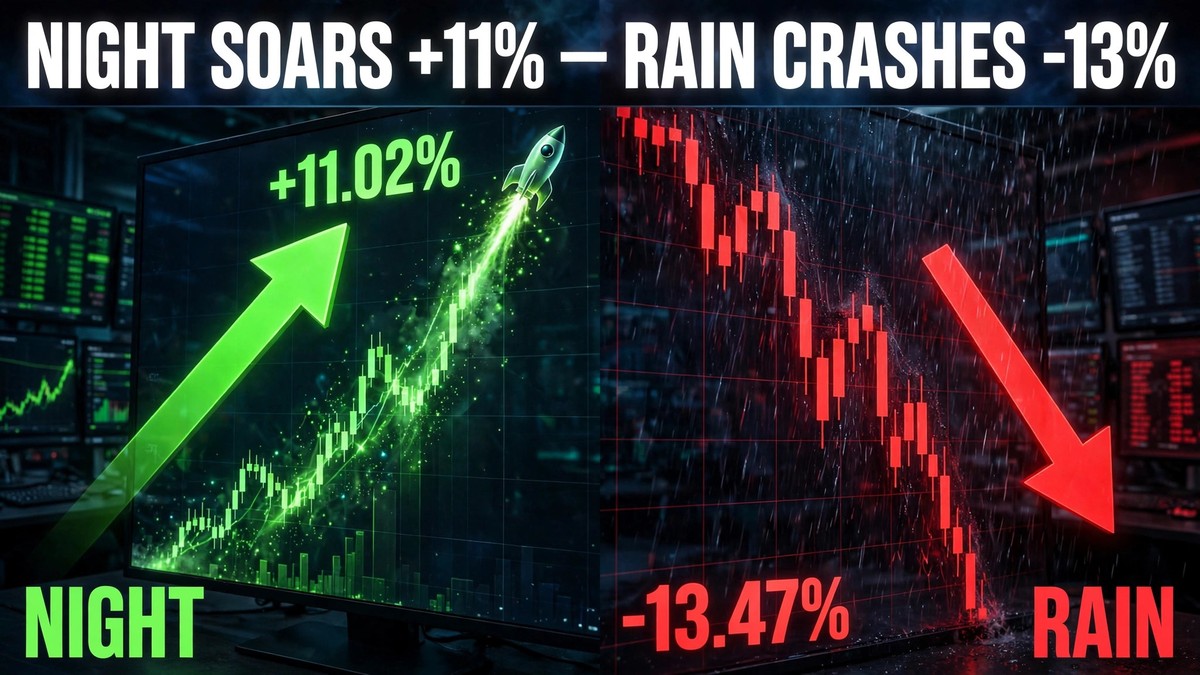 Biggest Movers Today, Nov 23: NIGHT Jumps 11.2% While RAIN Crashes 13.3% — The Market Splits in Two
 One Tap on an Ad Could Empty Your iPhone Crypto Wallet — The MoldyRoost Warning Every Holder Must Read
 Bitcoin Dominance Near 56.5%: Altseason Is Still on Hold While the Money Hides in BTC
 Ethereum at $1,720: ETF Money Keeps Walking Out While Staking Hits a Record — ETH Is Being Pulled Apart
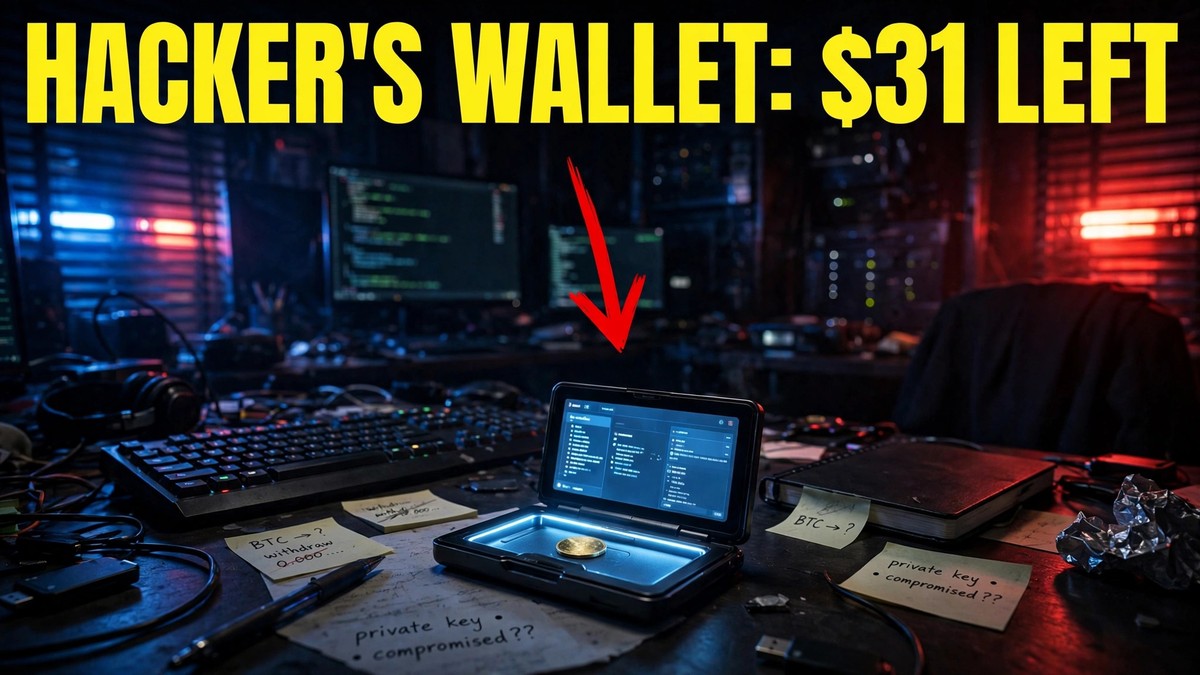
Three weeks after the biggest crypto theft in history, the hacker’s wallet is nearly empty. The Ethereum address labelled “Binance Hot Wallet Exploiter 8” now holds just 0.0187 ETH — about $31 — plus 19 small tokens worth less than $14. The money is gone. The question is where it went, and how much of it will ever come back.
The October 29 attack stole around $6.34 billion from Binance-operated wallets, according to the exchange. Blockchain analysis firm Elliptic puts the figure at $6.43 billion, while TRM Labs calculates $6.36 billion. Whichever number you use, it is the largest cryptocurrency theft ever recorded — and the laundering operation that followed is just as enormous.
💵 $149 million in Bitcoin, washed through coinjoins
Elliptic’s update on Friday traced at least 2,310 bitcoins — worth about $149 million — that have already passed through operations designed to make the funds harder to trace. Around 90% of that Bitcoin moved through coinjoins, a mixing technique that blends many users’ coins together so the trail goes cold.
The scale of the dispersal is hard to grasp. According to Elliptic, the laundering scheme has already involved more than 27,000 wallets, at least 16 blockchains, around 55 services and 90,000 transactions. Between November 17 and 20 alone, the attackers emptied five of the nine largest ether wallets linked to the theft, moving roughly 488,000 ETH — about $860 million.

📈 Frozen is not recovered
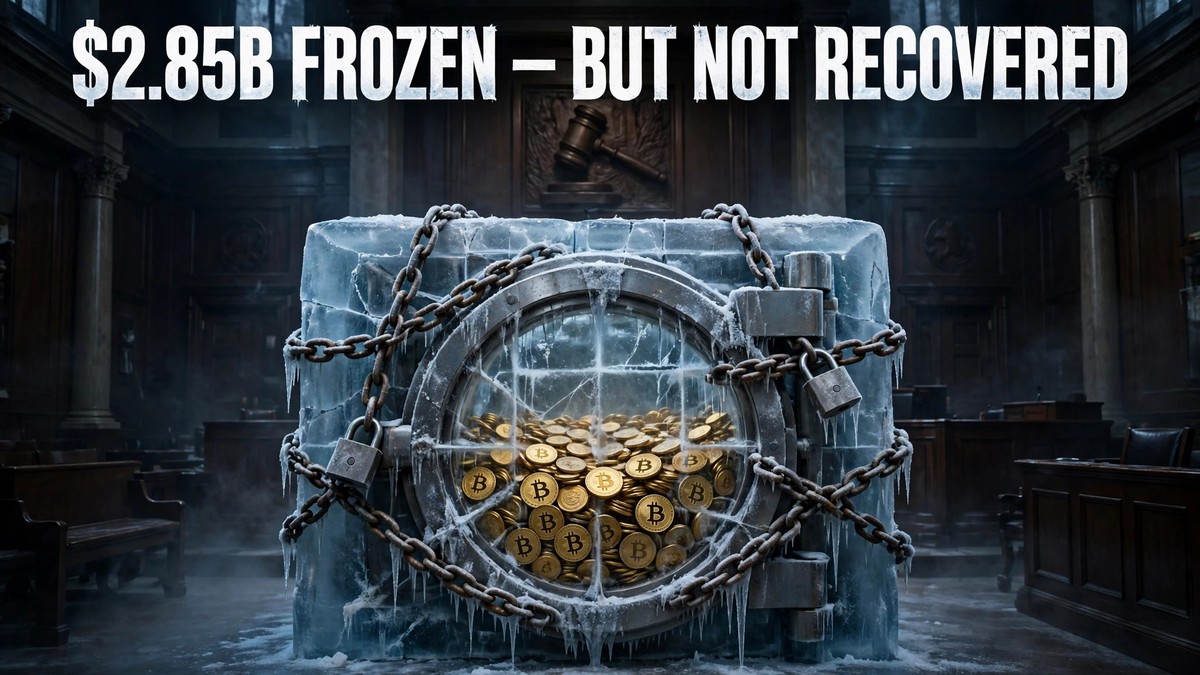
Here is the part that gets confused most often. About $2.85 billion in stolen assets has been frozen or seized — but frozen does not mean recovered. Frozen means the money cannot move. Recovered means it is back in Binance’s hands. Those are very different things, and the gap between them is the story.
Independent investigator SomaXBT estimates that only about $32 million has actually been recovered so far — a fraction close to 0.5% of the stolen value. Binance has not officially confirmed that figure. Elliptic calculates that another $2.35 billion remains sitting in addresses linked to the theft, mostly in ether and bitcoin.
The legal fight is moving, though. On November 18, an Abu Dhabi court granted Binance a worldwide freezing order worth up to $6.5 billion against the unnamed attackers. That figure is a ceiling on what the order covers, not a tally of money already back. A new hearing is scheduled for December 1, when the court will consider whether firms holding frozen assets must hand them over. Eighteen companies, including stablecoin issuer Circle and custodian BitGo, are named in the proceedings.
⚠️ The trail is still warm
United States authorities have linked the October 29 attack to TraderTraitor, a North Korean hacking group — an attribution North Korea denies. The FBI’s cyber alert blames the group for the theft, and the US Justice Department says courts have authorized seizure or restraint of more than $1.2 billion, while tracing continues as the attackers move funds through bridges, mixers and exchanges.
Binance says it replenished 100% of the affected assets by November 13, using its own funds, the SAFU fund and its futures insurance fund — and that users will not bear the loss. That is the exchange’s money on the line now, not its customers’.
🎯 What to watch next
December 1 is the next big date: the Abu Dhabi hearing on whether frozen assets get handed over. That is when “frozen” starts turning into “recovered” — or doesn’t. And every day the laundering continues, the trail gets colder: the more wallets, chains and mixers the money passes through, the less of it will ever be found.
The hacker’s wallet holding $31 is not a victory. It is a sign that the money has already moved on — into a maze of 27,000 wallets that investigators are still trying to map.
#CryptoBulletin #Binance #BNB #CryptoNews #CryptoMarket #CryptoNewsToday #CryptoMarketToday #Blockchain #CryptoHack #Bitcoin #Ethereum #Web3 #Altcoins #CryptoCrash #Exchange